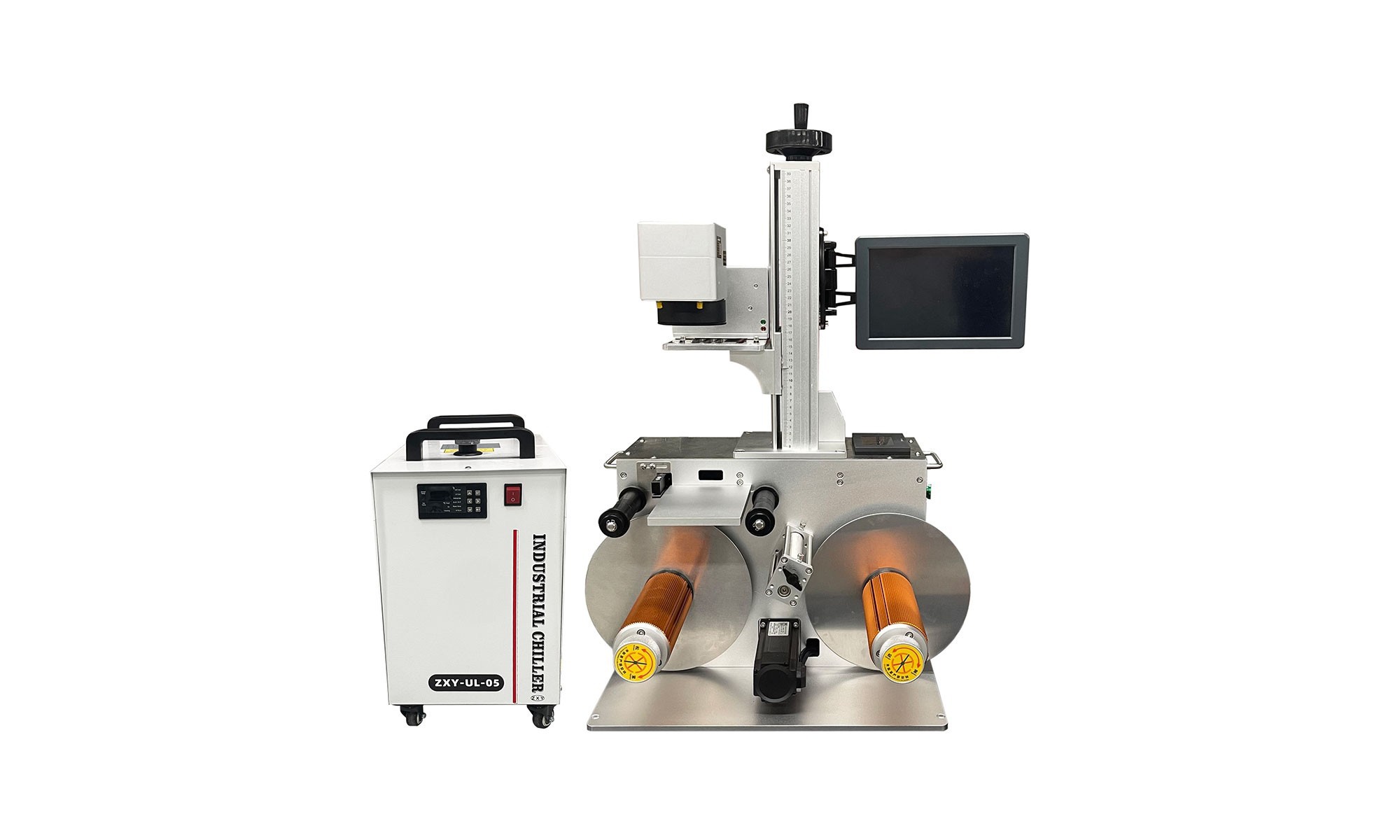
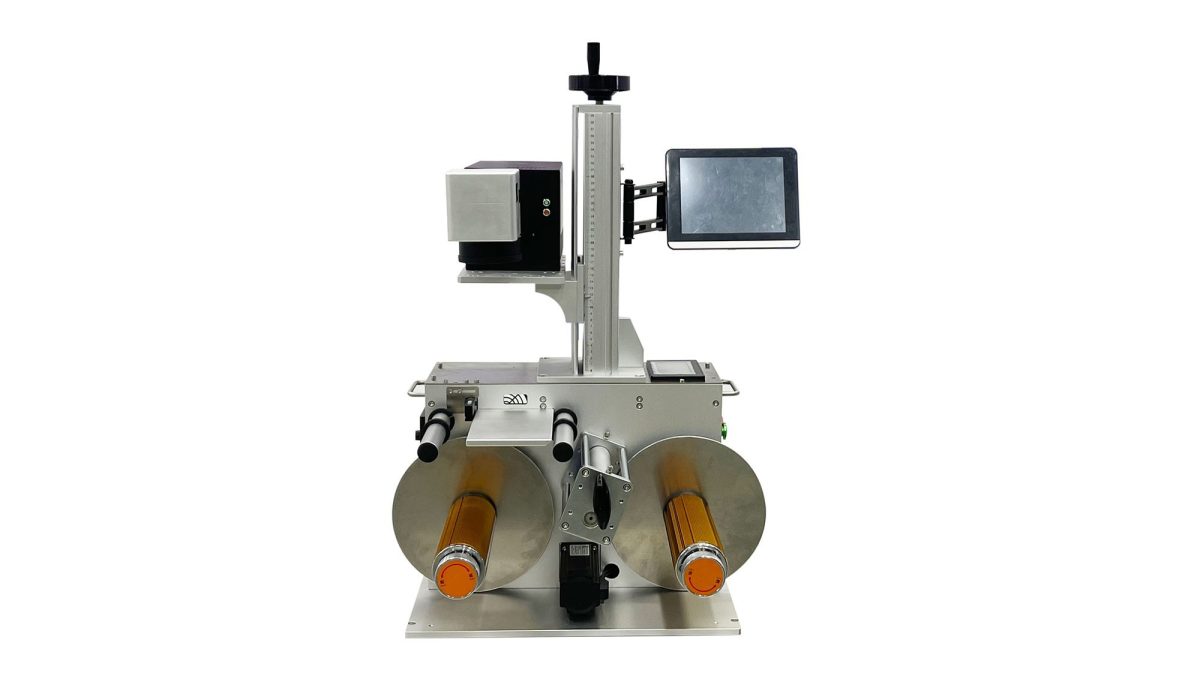
For high-volume label manufacturers, packaging converters, and flexible electronics producers, a Roll-to-Roll laser processing system is no longer a “nice-to-have” upgrade—it is the core equipment that separates profitable, agile production lines from outdated, high-waste operations. In an era where brands demand shorter runs, variable data, anti-counterfeiting marks, and zero-defect quality, traditional rotary die cutting and inkjet coding can no longer keep up.
This guide breaks down exactly how a modern Roll-to-Roll laser processing system transforms label production, what applications it serves, how quickly it delivers ROI, and why leading label printers across 40+ countries are switching to laser-based R2R workflows in 2026. We will also cover how this system integrates seamlessly with a label laser marking machine to deliver end-to-end flexible material processing from raw roll to finished roll.
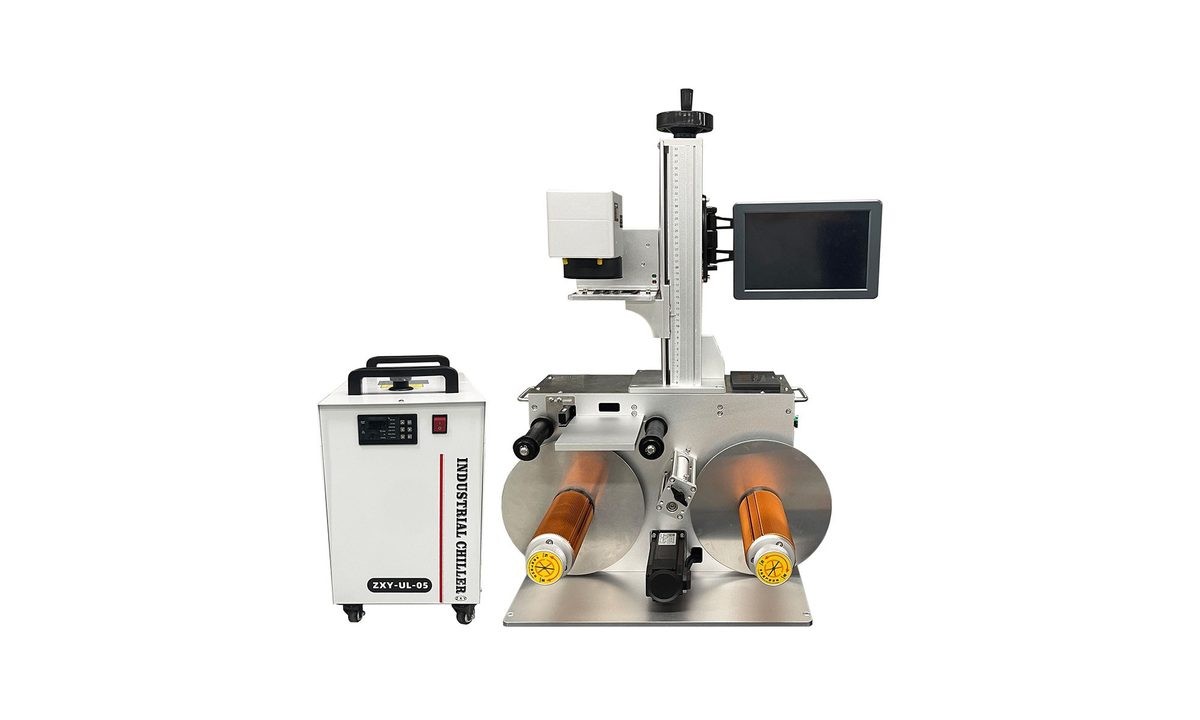
What Is a Roll-to-Roll Laser Processing System, and Why Do Label Makers Need It?
A Roll-to-Roll laser processing system (often shortened to R2R laser system) is an automated industrial laser platform that processes continuous webs of flexible material (paper, film, foil, fabric, or adhesive labels) as they move at high speed between an unwinder and rewinder. Unlike flatbed or single-sheet laser machines, R2R systems are designed for 24/7 uninterrupted production at web speeds up to 100 meters per minute, with integrated vision alignment that corrects for web skew, stretch, and print registration errors in real time.
Unlike mechanical die cutting which requires custom tooling for every job, a Roll-to-Roll laser processing system uses a non-contact laser beam to cut, mark, perforate, score, and engrave material with zero tool wear. Switching between jobs takes minutes, not days, and there are no die storage costs, no die sharpening fees, and no production delays waiting for tooling to arrive. For label shops that handle 50+ SKUs per month, this flexibility alone cuts setup time by 90% and reduces waste from misaligned dies by up to 70%.
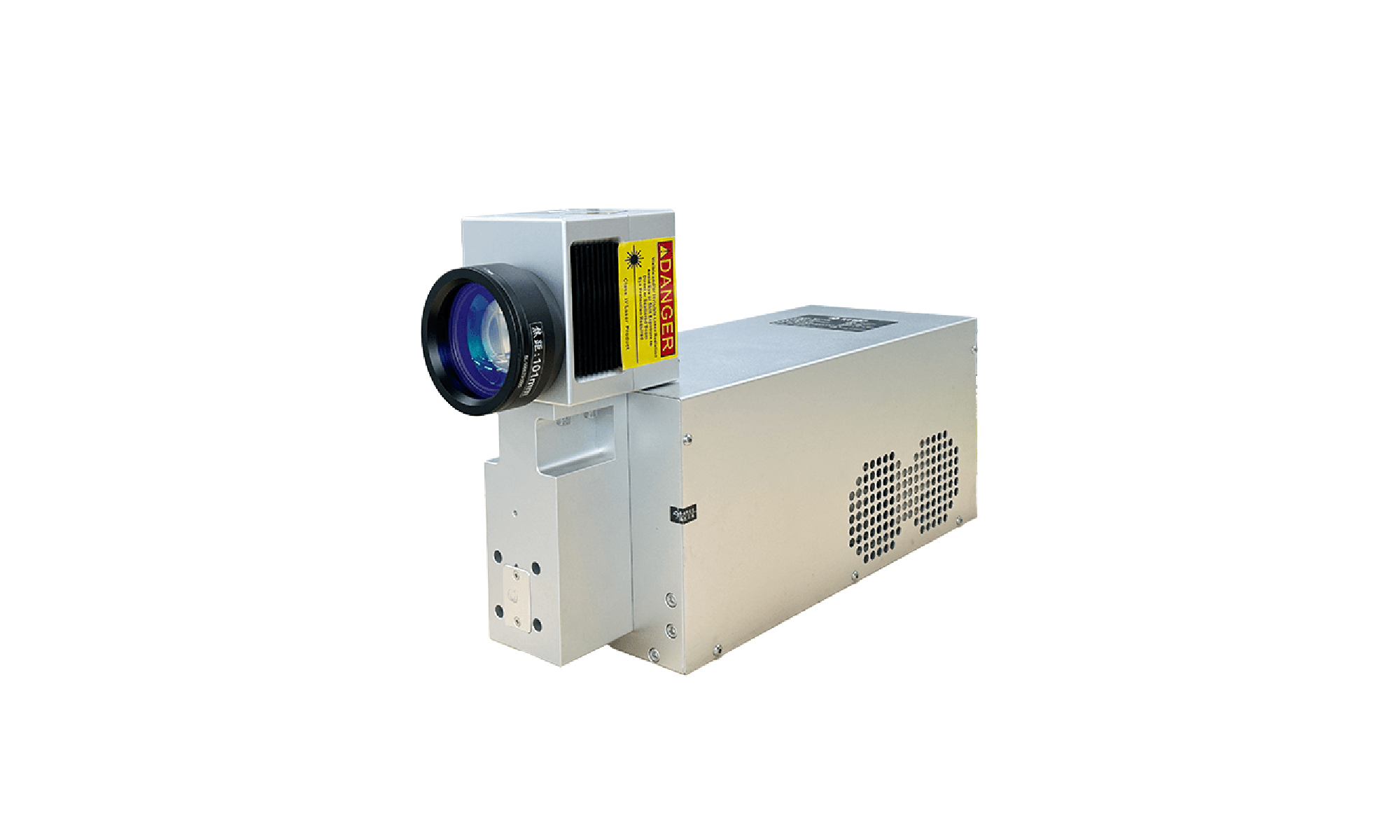
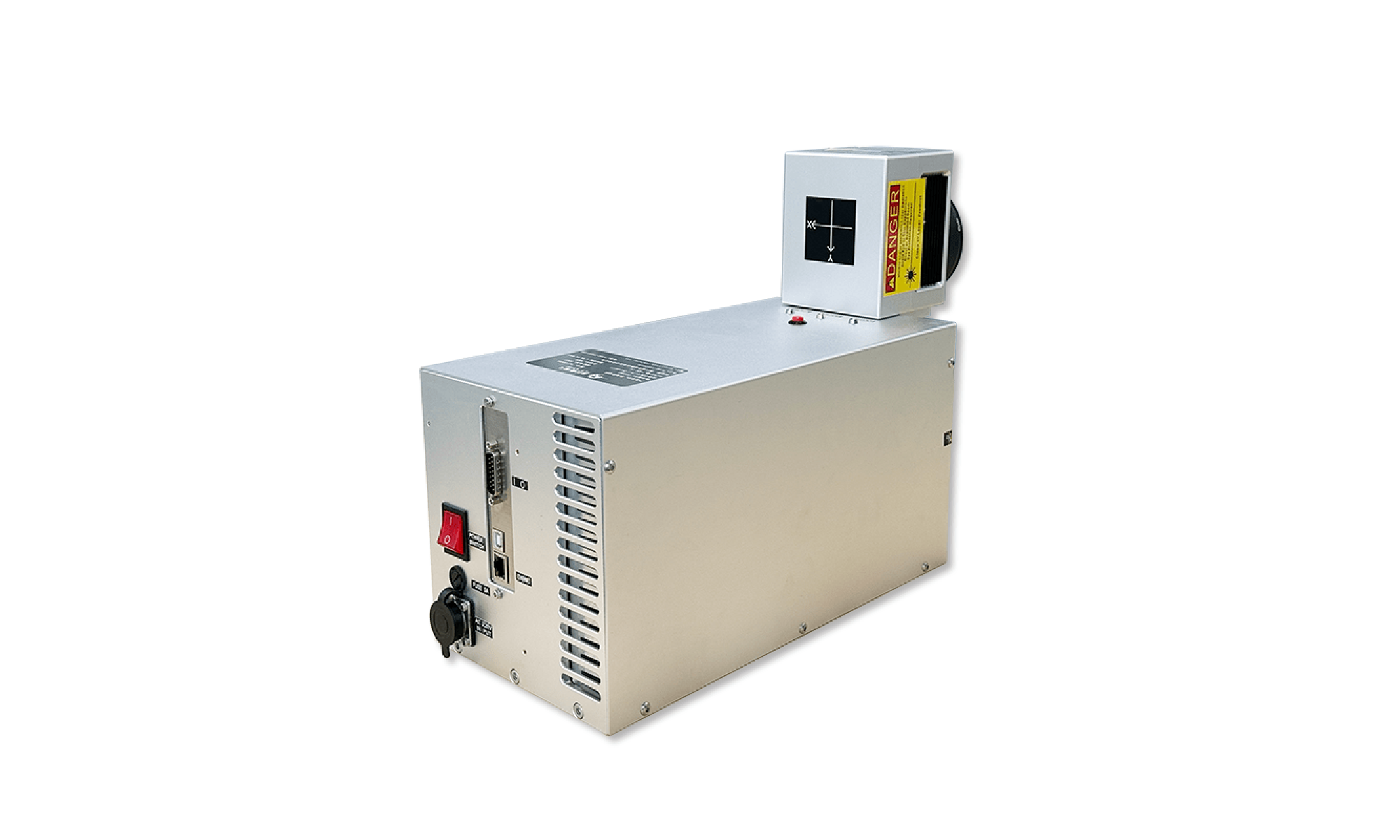
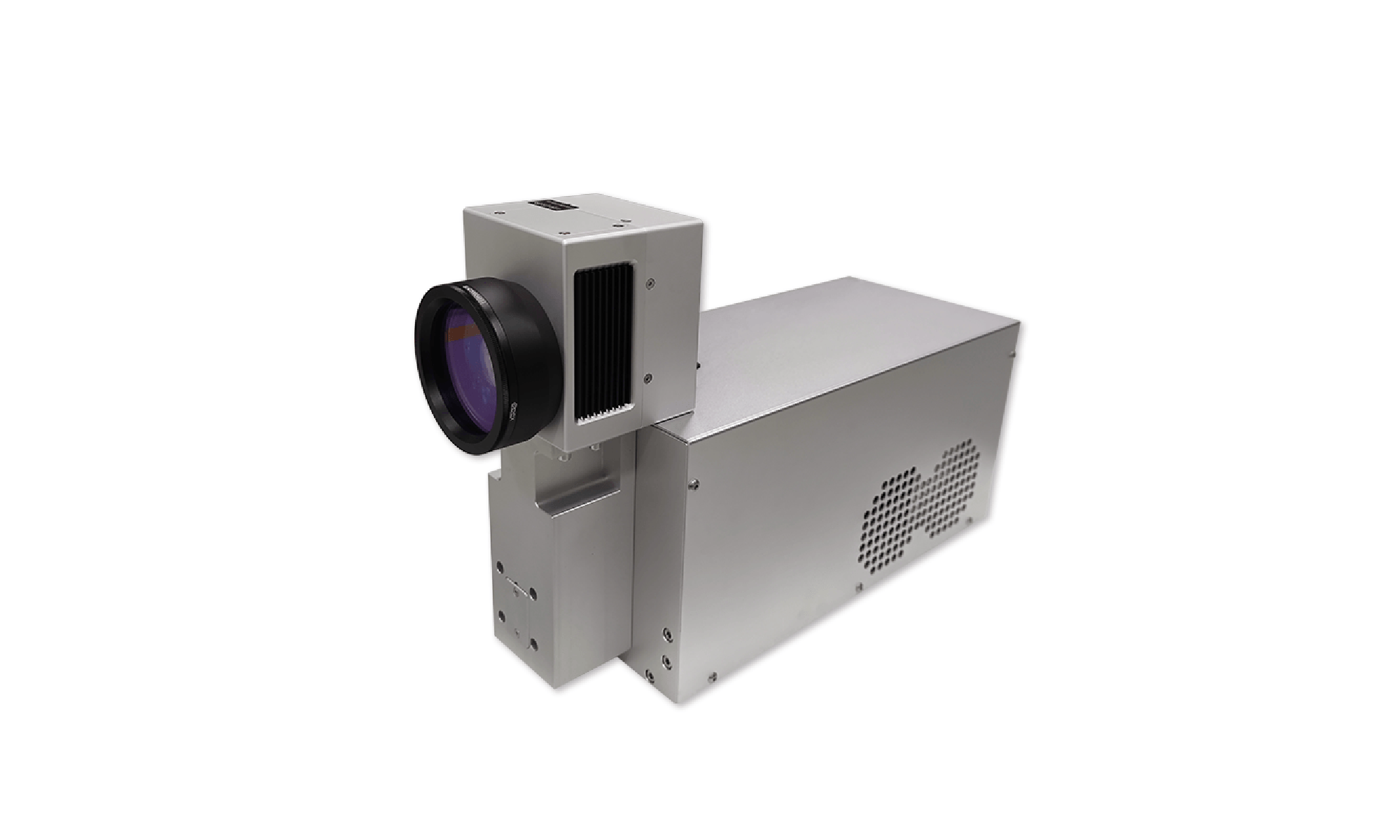
When paired with an integrated label laser marking machine, the system handles both permanent marking (QR codes, barcodes, and batch codes with vision verification) and converting (die cutting, half-cutting, perforation, kiss-cutting for labels) in a single pass, eliminating the need for separate coding and cutting machines on the line.
Core Business Advantages of Adopting a Roll-to-Roll Laser Processing System in 2026
Data from the 2026 Labels & Labeling Global Industry Survey shows that label converters using R2R laser processing report an average of:
- 320% increase in short-run job throughput
- 68% reduction in material waste during setup
- 40% lower labor costs per thousand labels produced
- 0% tooling cost across all jobs
- 99.8% marking and cutting accuracy rate
Below is a direct comparison between a modern Roll-to-Roll laser processing system and traditional die cutting workflows:
| Metric | Roll-to-Roll Laser Processing System | Traditional Rotary Die Cutting |
|---|---|---|
| Setup time per new job | 5–10 minutes (software preset) | 4–8 hours (die installation + alignment) |
| Tooling cost per SKU | $0 | $50–$300 per custom die |
| Maximum production speed | 60–100 m/min | 30–50 m/min |
| Minimum feature size | 0.1mm | 0.5mm |
| Material waste rate | <3% | 10–15% |
| Ideal run length | 1–100,000 labels (all run lengths) | Only cost-effective for >10,000 labels |
| Process capability | Marking, cutting, perforating, scoring, engraving in one pass | Cutting only (requires separate coder for marks) |
Key Industries and Applications for the Roll-to-Roll Laser Processing System
The flexibility of a Roll-to-Roll laser processing system makes it suitable for nearly every flexible material production scenario, but these five industries see the fastest ROI in 2026:
1. Pressure-Sensitive Label (PSL) Production
For food, beverage, cosmetic, and household product labels, the system performs kiss-cutting (cutting only the label layer, leaving the liner intact), sequential numbering, QR code marking, and custom shape cutting without dies. This is the most common use case: a 30W CO2 laser source in an R2R system can process 50,000+ standard cosmetic labels per hour with zero smudging, zero ink drying time, and permanent, scratch-resistant marks.
2. Pharmaceutical and Medical Traceability Labels
Regulatory requirements for unique device identification (UDI), tamper-evident seals, and track-and-trace codes demand 100% mark readability. The integrated label laser marking machine in an R2R system prints high-contrast, permanent 2D DataMatrix codes and human-readable text on medical-grade labels at full production speed, with integrated vision verification that rejects any label with an unreadable code before it reaches the rewinder.
3. Anti-Counterfeiting and Security Labels
For luxury goods, electronics, alcohol, and tobacco brands, the system creates micro-perforations, hidden UV marks and micro-perforation security patterns, holographic registration marks, and tamper-evident cut patterns that cannot be replicated with mechanical cutting or ink printing. These features reduce counterfeiting losses for brands by an average of 85% per Labels & Labeling data.
4. Flexible Electronics and RFID Label Production
RFID inlays, flexible circuit boards, battery tabs, and NFC labels require precision cutting and marking without damaging embedded electronics. A UV or fiber laser source cuts delicate copper and PET substrates in the Roll-to-Roll laser processing system cuts delicate copper and PET substrates with 0.01mm accuracy, no mechanical pressure, and no risk of damaging embedded chips or antennas.
5. Food Packaging and Sustainable Film Processing
As brands shift to thinner, mono-material recyclable films, mechanical cutting often causes tearing or seal layer damage. The non-contact laser beam processes 20μm-thick PP, PE, and PLA films without damaging barrier layers, and can add easy-tear perforations and ventilation holes in the same pass as date coding.
How the Roll-to-Roll Laser Processing System Delivers ROI in Under 12 Months
For most label shops, the biggest question about investing in a Roll-to-Roll laser processing system is payback time. Our customer data across 200+ R2R installations worldwide installations shows an average payback period of 8–11 months, calculated from four core savings streams:
- Tooling cost elimination: A mid-sized label shop spending $1,500/month on custom dies saves $18,000 per year directly.
- Waste reduction: A 10% reduction in material waste on a $50,000/month material spend delivers $60,000 per year in savings.
- Labor efficiency: Eliminating die setup and manual coding positions reduces labor costs by an average of $45,000 per year per line.
- New revenue streams: The ability to take short-run, custom-shape, security label, and flexible electronics jobs that previously required outsourcing adds an average of $120,000 per year in new revenue.
For a typical 330mm web width Roll-to-Roll laser processing system with integrated label laser marking machine, total investment lands in the $35,000–$65,000 range depending on laser source, web width, and vision configuration—putting ROI well within the first year for nearly all production environments.
Why Choose FLS Laser for Your Roll-to-Roll Laser Processing System?
Not all R2R laser systems are built for 24/7 industrial production. FLS Laser systems stand out in three critical areas that directly impact uptime and quality:
- Industrial-grade components: We use only US-imported galvo scanners, top-tier RF CO2/UV/fiber laser sources (30,000+ hour lifetime), and precision servo-driven web handling systems that maintain 0.01mm registration accuracy at full speed.
- End-to-end integration: Our systems come with the label laser marking machine function pre-integrated, with EZCAD3-R2R software that supports variable data, database connectivity, vision verification, and ERP/MES integration out of the box.
- Global support: We offer on-site installation, operator training, and 24/7 remote support and local spare parts warehouses for customers in 60+ countries, with local spare parts warehouses in North America, Europe, and Southeast Asia.
If you are still relying on dies and ink coders for label production, you are losing margin on every job, turning away short-run work, and falling behind competitors who have already made the switch. [Explore our full Roll-to-Roll laser processing system lineup here, or contact our team for a free production line audit and custom ROI calculation.]
Frequently Asked Questions About the Roll-to-Roll Laser Processing System
Q: What materials can a Roll-to-Roll laser processing system handle?
A: Standard systems process paper, PP, PET, PE, BOPP, PLA, adhesive labels, foil, thin copper, fabric, and flexible films from 10μm to 500μm thickness. Custom configurations support thicker foams, leather, and industrial tapes.
Q: Can the system work with my existing press or finishing line?
A: Yes. All FLS Roll-to-Roll laser processing system models support inline integration with flexo presses, digital printers, slitter rewinders, and laminators, as well as standalone offline operation.
Q: What is the expected lifespan of the laser source?
A: Our RF CO2 laser sources have a rated lifetime of 30,000+ hours (≈10 years of single-shift operation), while UV sources last 20,000+ hours, with no routine maintenance required for the laser source itself.
Q: Is laser processing safe for food contact labels?
A: Yes. All our systems are Class 1 laser safe, and CO2/UV laser processing of food-grade films leaves no residue, no ink, and no chemical contaminants, fully complying with FDA and EU food contact material regulations.
Q: How long does installation and training take?
A: Standard installation takes 2–3 days with one of our field engineers, followed by 2 days of operator and maintenance training for your team. Most lines are in full production within one week of delivery.
Q: Can the system do variable data marking?
A: Yes. The integrated label laser marking machine connects directly to Excel, CSV, SQL databases, or ERP systems to print unique QR codes, serial numbers, batch codes, and personalized content on every label without slowing production.
Image alt text recommendation for all article images: “330mm Roll-to-Roll laser processing system running cosmetic label production line”, “Label laser marking machine integrating with R2R platform for QR code marking”, “Sample labels cut and marked with Roll-to-Roll laser processing system”