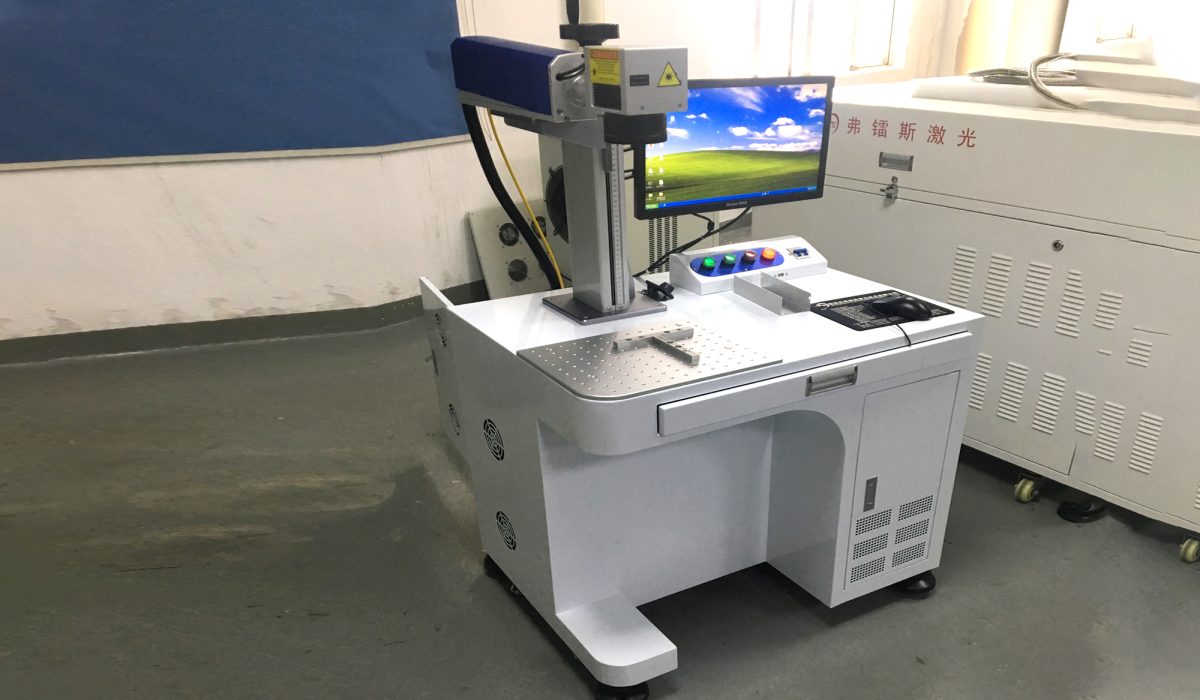
A fiber laser marking machine is an industrial non-contact marking tool that uses fiber optic amplified infrared laser beam to create permanent, high-contrast marks on metal and selected hard plastic surfaces. Unlike traditional stamping, ink printing or chemical etching, it produces no consumable waste, requires almost zero daily maintenance, and delivers consistent marking quality even in 24/7 continuous production environments. This full product guide covers working principle, core components, available power levels, compatible materials, typical applications and operation tips for industrial users.
How Does a Fiber Laser Marking Machine Work?
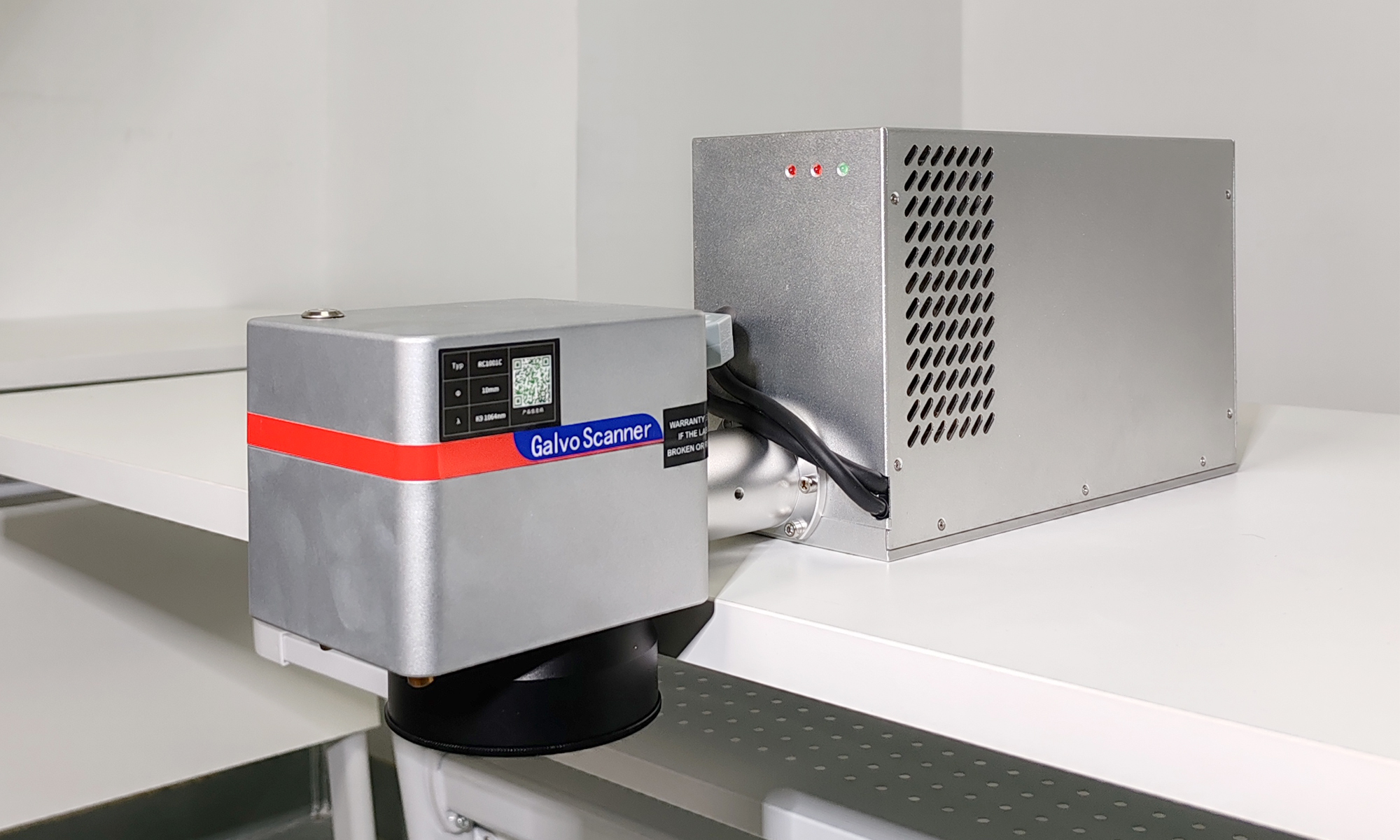
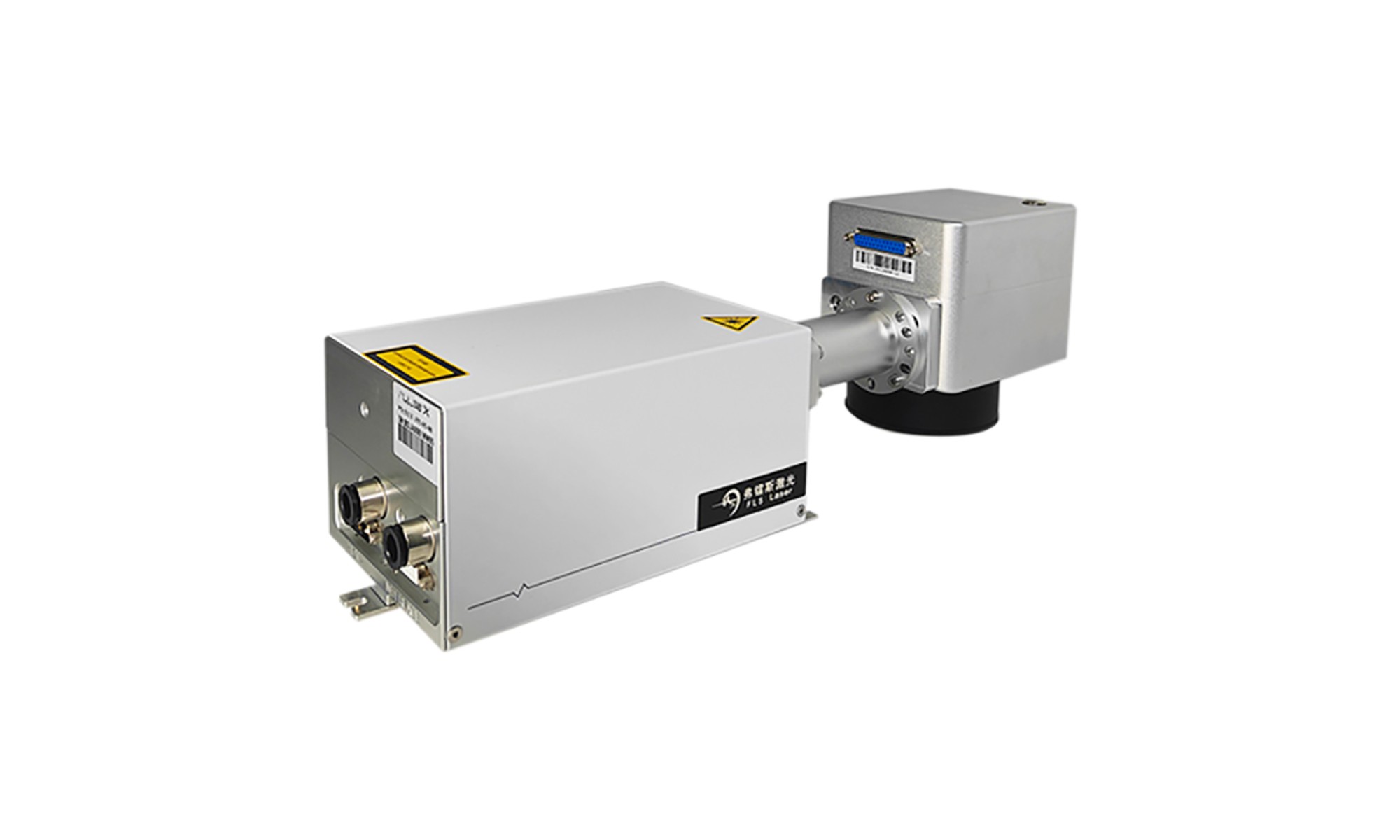
Inside a standard industrial unit, laser light is generated through optical amplification inside the fiber laser source. The concentrated infrared beam passes through a high-speed galvo scanner system, then hits the F-theta field lens and focuses precisely on the target material surface. The localized energy absorption creates controlled surface discoloration, shallow material removal or annealing effect, forming a permanent mark that cannot be easily wiped off or worn away.
This non-contact processing method never touches the workpiece physically. It avoids mechanical stress, surface deformation or secondary damage that commonly appears in traditional impact marking processes. That is why more precision manufacturing teams are replacing old marking stations with fiber laser systems.
Core Components and Configuration
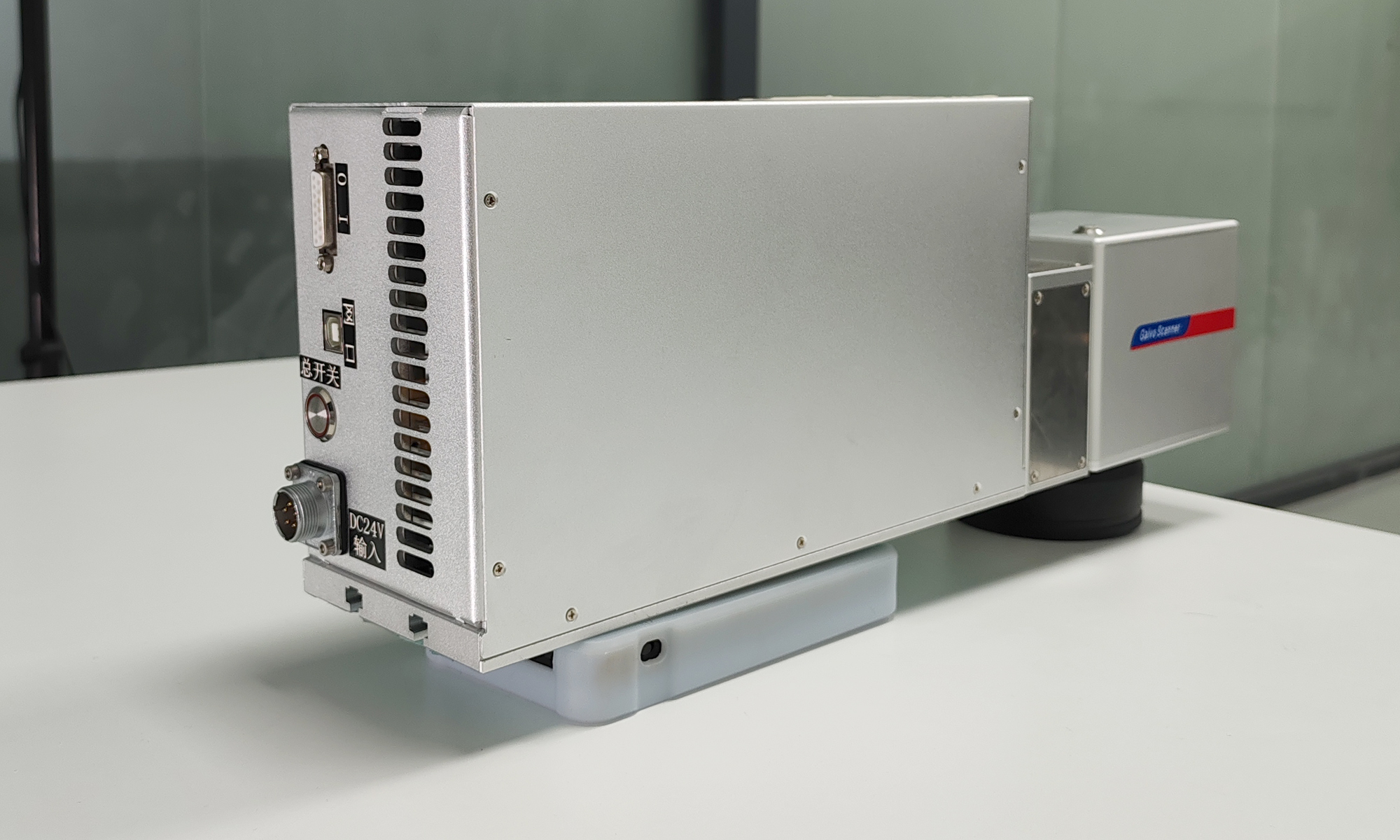
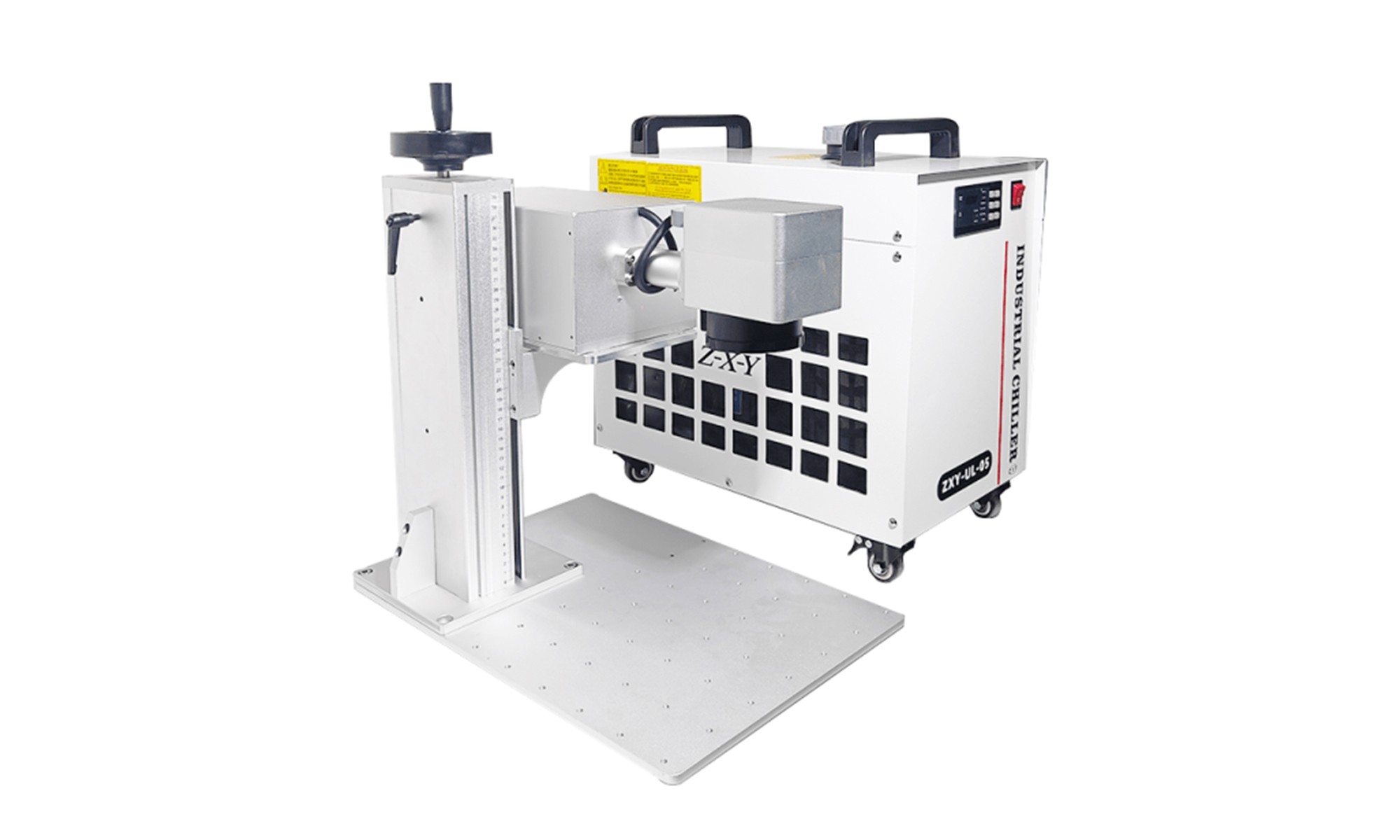
A reliable industrial-grade fiber laser marking machine consists of 5 core parts, and each component directly affects long-term performance and service life:
- Fiber Laser Source: The heart of the whole system, determines beam quality, stability and lifetime. Most mainstream industrial models use 20W, 30W, 50W or 100W level sources, with typical working lifetime exceeding 100,000 hours.
- Galvo Scanner Head: Controls the high-speed movement of the laser beam across the marking area. High-quality scanning heads ensure extremely consistent marking speed and uniform line thickness even at maximum acceleration.
- F-theta Field Lens: Focuses the laser beam evenly across the entire marking field. Common working areas include 110×110mm, 150×150mm, 200×200mm and 300×300mm.
- Industrial Control System: Usually paired with widely compatible marking software that supports common vector formats like AI, DXF, PLT and image formats like BMP, JPG.
- Mechanical Frame and Working Platform: Provides stable workpiece support, height adjustment and optional rotary axis fixture for cylindrical parts marking.
Power Level Selection Guide
Choosing the right laser power is one of the most important purchasing decisions, and higher power is not always the best choice for every application:
- 20W Model: Best for fine, shallow marking on jewelry, small hardware parts and nameplates. It runs with very low power consumption and is ideal for light-duty workshop use.
- 30W Model: The most widely used industrial standard configuration. It balances speed, precision and cost perfectly, and can handle most common metal marking scenarios.
- 50W Model: Suitable for applications that need slightly deeper engraving on stainless steel, aluminum alloy or thick plastic. It cuts processing time significantly for high-volume production.
- 100W+ High Power Model: Designed for deep engraving, heavy metal marking and thick material processing. It is usually selected for special heavy industrial scenarios.
Compatible Materials
A standard fiber laser marking machine performs excellent marking results on these material categories:
- Stainless steel, carbon steel, alloy steel and various metal alloys
- Aluminum, copper, brass, silver, gold and most non-ferrous metals
- Hard engineering plastics including ABS, PC, PET and most injection-molded technical parts
- Coated surfaces, painted layers, electroplated and anodized metal parts
It is important to note that soft materials like pure rubber, transparent glass and most natural wood are not the best application targets for standard infrared fiber systems. For these materials, you may need CO2 or UV laser marking solutions instead.
Typical Industrial Applications
This equipment has become a standard configuration across almost all modern manufacturing sectors:
- Automotive industry: Marking serial numbers, part codes and traceability marks on engine components, brake parts and chassis hardware
- Electronics industry: Marking QR codes, logos and part numbers on metal shells, connectors and shielding cases
- Hardware tools: Etching brand logos and specification marks on wrenches, cutting tools, measuring tools and fasteners
- Jewelry industry: Engraving text, patterns and custom serial numbers on rings, bracelets and precious metal accessories
- Medical hardware: Marking permanent identification on surgical instruments and non-implant medical metal parts
- Packaging industry: Printing production dates, batch codes and anti-counterfeiting marks on metal packaging and hard plastic containers
Daily Operation and Maintenance Tips
A well-maintained fiber laser marking machine can run stably for more than 10 years with very low operating cost. Follow these simple maintenance habits to maximize service life:
- Wipe the protective lens with professional lens cleaning cloth once every 3 to 7 days, and never touch the optical surface directly with fingers
- Keep the working environment dry and dust-free, and avoid placing the machine in high humidity or strong vibration location
- Check the power supply stability regularly, and use regulated industrial power source to avoid sudden voltage surge damage
- Clean the working platform and internal dust accumulation once a month, and check all cable connections for signs of wear
- Do not disassemble the laser source or optical system by yourself without professional technical support
Shenzhen FLS Laser offers full series of industrial fiber laser marking machines with 2-year full machine warranty and lifetime technical support. We can provide free sample marking test for your specific material before order. If you are looking for a reliable China-based laser equipment manufacturer, contact our engineering team today.
Frequently Asked Questions
Q: How long can a fiber laser marking machine work continuously?A: A standard industrial grade model can support 24 hours non-stop continuous operation, and it is designed for heavy-duty factory production environment.
Q: Can it mark deep engraving on stainless steel?A: Yes. 50W and 100W models can easily reach 0.1mm to 0.5mm engraving depth on stainless steel with proper parameter setting.
Q: What software does the machine use?A: Most industrial models use widely compatible EZCAD series marking software, which supports almost all common graphic and vector file formats.
Q: Do I need special cooling equipment?A: 20W and 30W models usually use air cooling system. 50W and above high power models are usually equipped with industrial chiller for stable temperature control.
Related Articles:UV Laser Marking Machine: 2026 Market Analysis