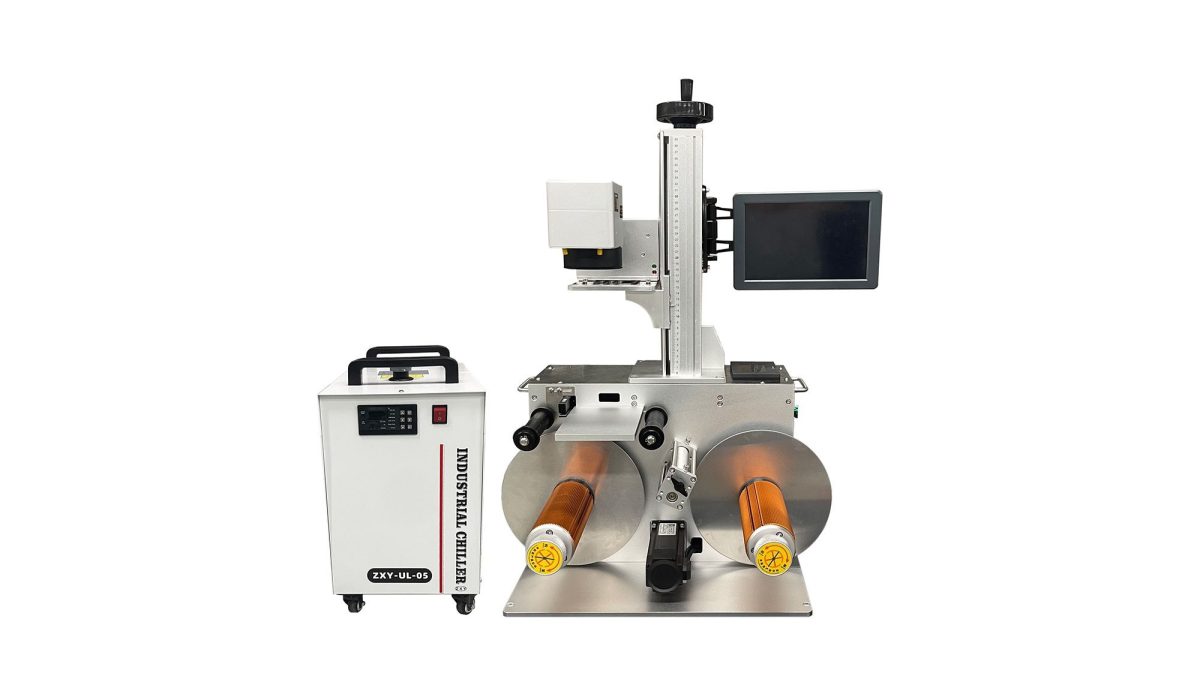
When engineers and production managers evaluate a new label laser marking machine for their Roll-to-Roll laser processing system, they are often flooded with vague marketing claims and inconsistent parameter specs from different suppliers. This guide cuts through the noise to explain exactly how a label laser marking machine works, which laser source to choose for your material, what performance metrics actually matter for production, and how to integrate the machine into your existing R2R workflow for maximum reliability and uptime.
Every specification here is based on 12 years of field data from 1,200+ real-world label production installations across packaging, pharmaceutical, electronics, and label converting facilities. We avoid generic marketing language and focus on the technical details your team needs to specify, test, and operate a high-volume label marking line that meets your quality and throughput requirements for years of operation.
How Does a Label Laser Marking Machine Work? Core Operating Principle
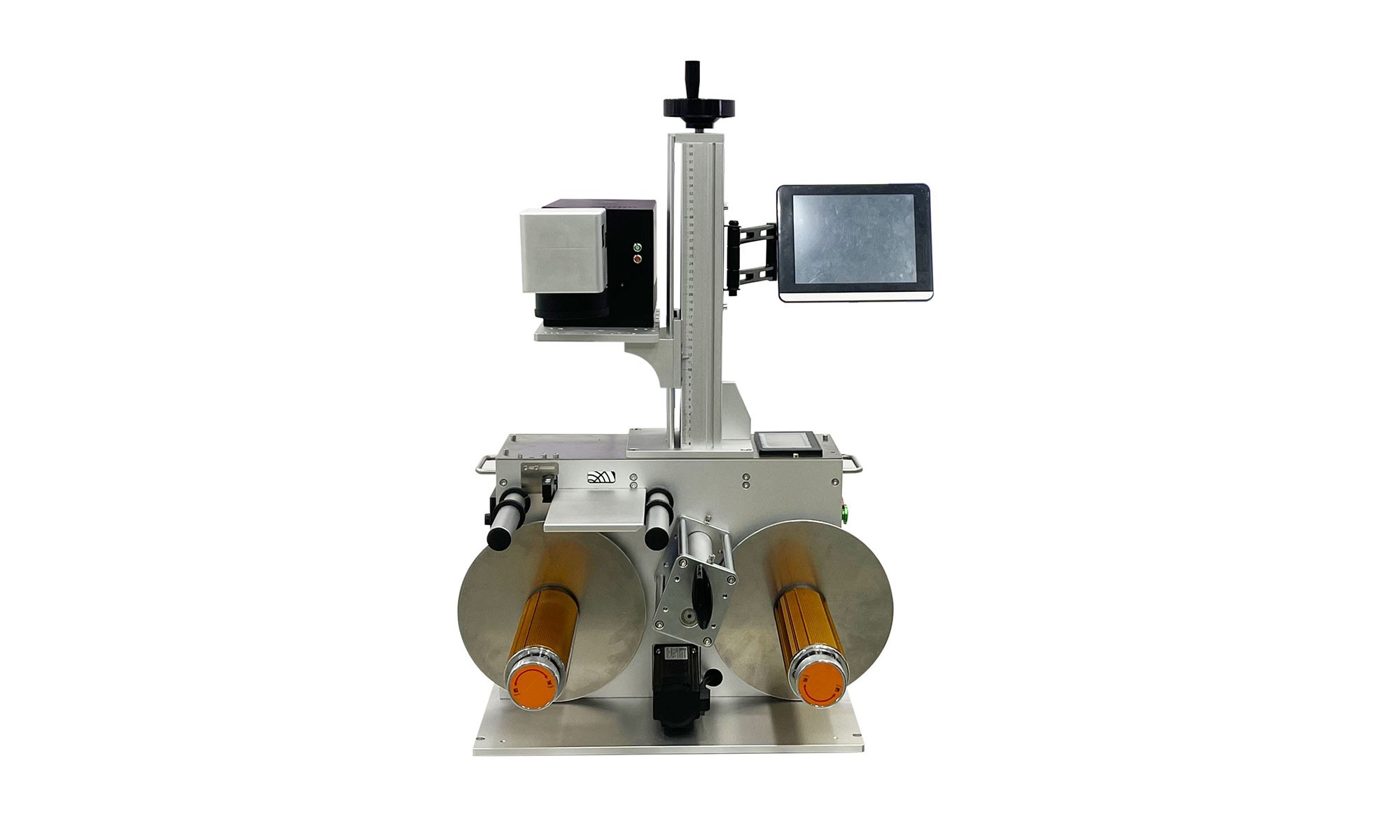
A label laser marking machine creates permanent, high-contrast marks on label substrates by focusing a controlled laser beam onto the material surface, where the laser energy is absorbed to create a color change, foaming, or controlled material removal (ablation) without physical contact, inks, or solvents. When integrated into a Roll-to-Roll laser processing system, the marking head is positioned inline between the unwinder and rewinder, with a CCD vision system that triggers marks at the exact position as the web moves at high speed.
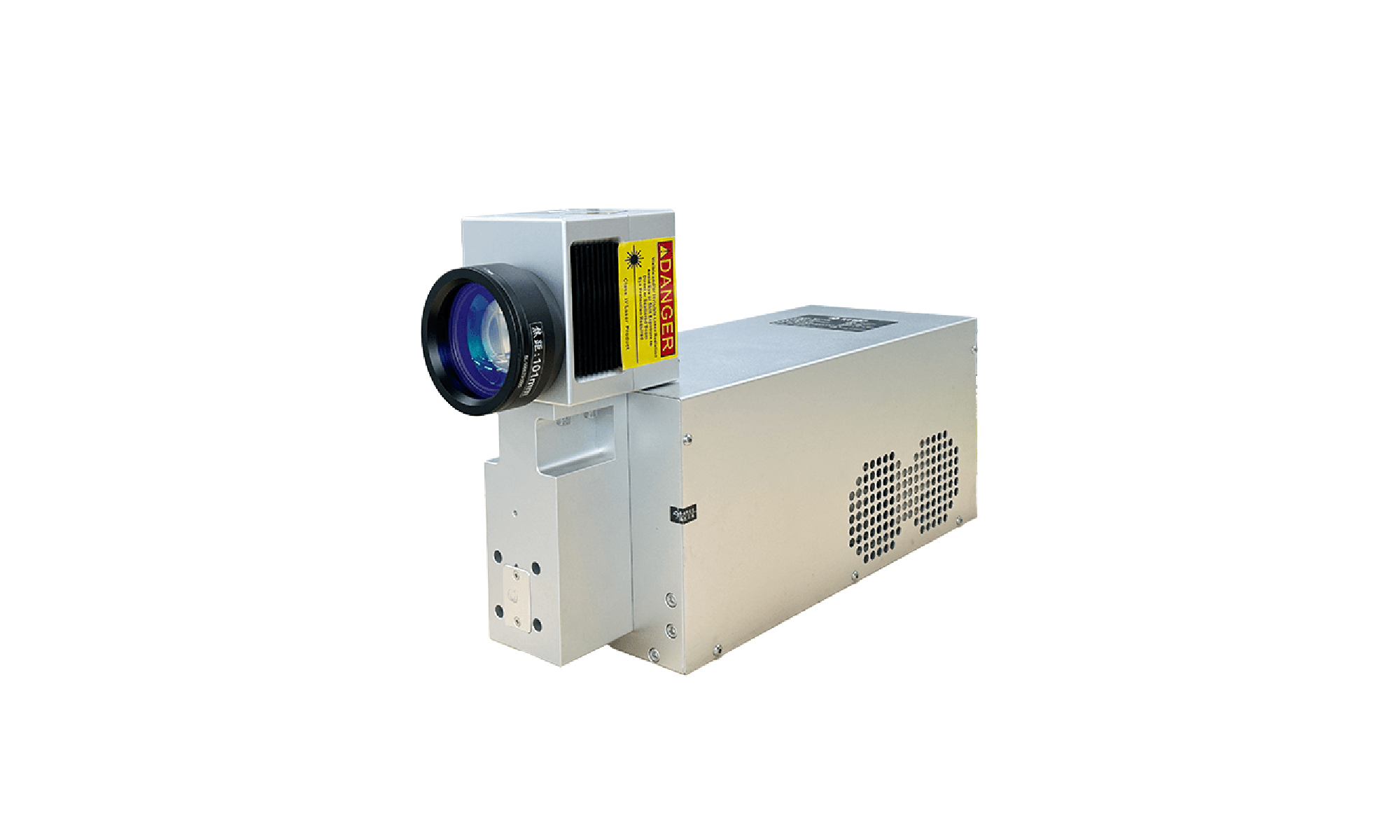
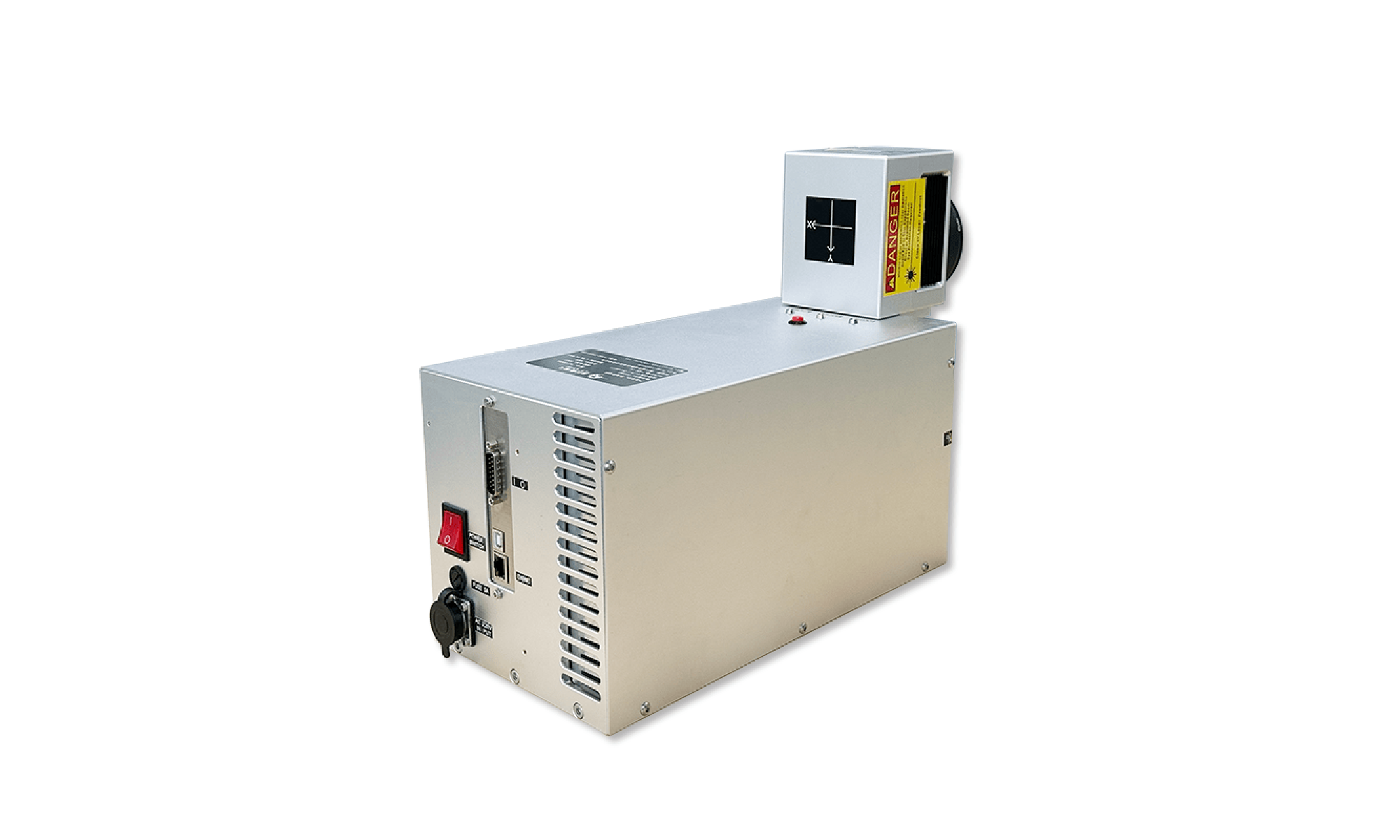
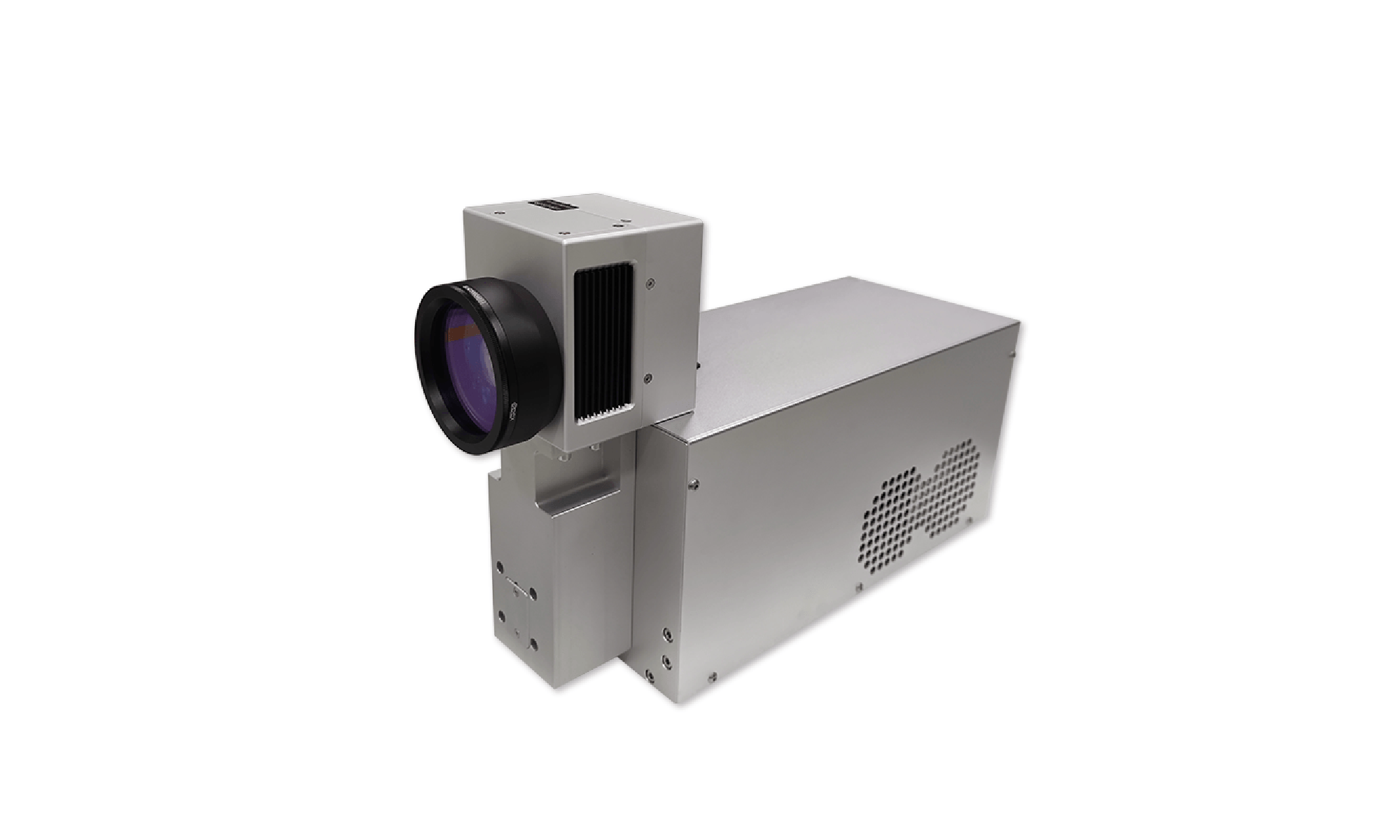
There are five core components that determine the performance of every industrial label laser marking machine:
- Laser source: Generates the laser beam at a specific wavelength (CO2 = 10.6μm, UV = 355nm, Fiber = 1064nm), chosen based on the material being marked.
- Galvanometer (galvo) scanner: Two high-speed rotating mirrors that steer the laser beam across the web at speeds up to 15m/s, with position accuracy measured in microns.
- F-theta focus lens: Focuses the laser beam to a consistent spot size across the entire marking field, ensuring uniform mark quality edge-to-edge.
- CCD Vision Alignment for Self-Adhesive Label Positioning: Captures registration marks printed on the web, corrects for web skew/stretch/misalignment in real time, and verifies mark readability after marking.
- Web encoder and trigger system: Tracks web speed with a rotary encoder, triggering the laser to mark at the exact correct position as the material moves, eliminating mark stretching or misalignment at high speed.
Unlike inkjet coders or thermal transfer printers, a label laser marking machine has no consumables (no ink, no ribbons, no solvent), no drying time, and marks that never smudge, fade, or rub off even when exposed to moisture, chemicals, or abrasion.
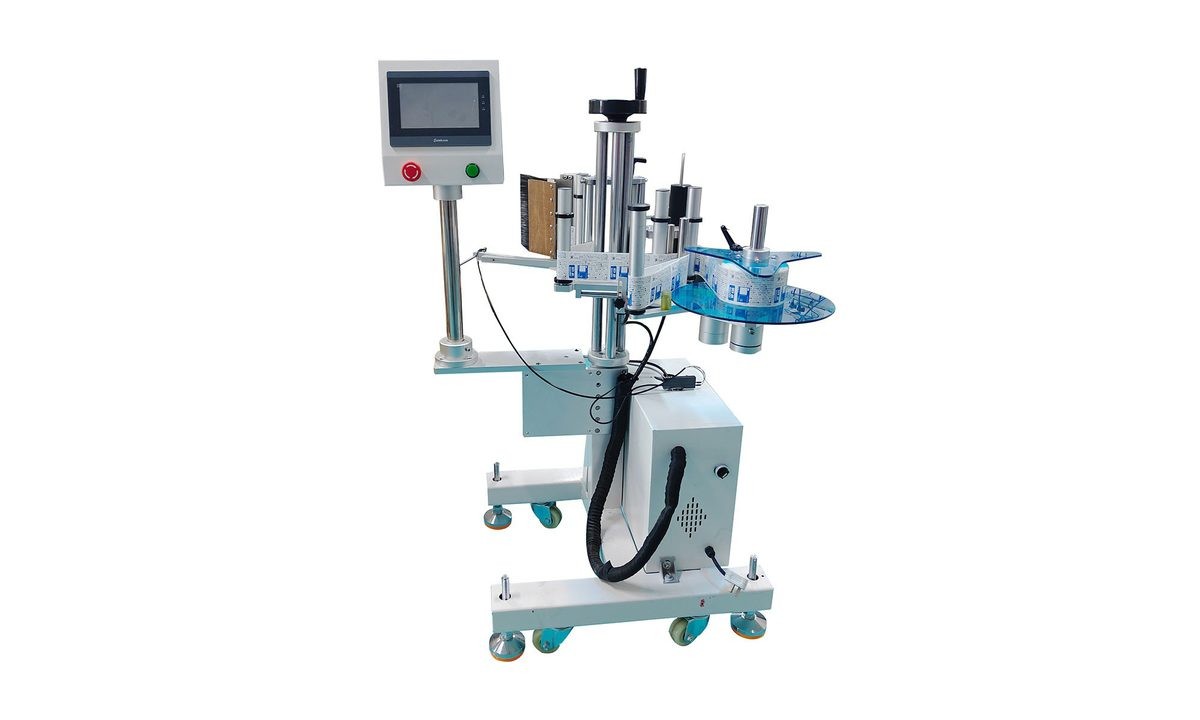
Laser Source Selection Guide: CO2 vs UV vs Fiber for Label Marking
The single most important technical decision when specifying a label laser marking machine is selecting the correct laser source and wavelength for your material. The wrong source will produce faint marks, burn through material, or require excessive power that shortens laser life. Use this comparison table to select the right source:
| Laser Source | Wavelength | Best For Materials | Typical Power Range | Marking Speed on Labels | Mark Contrast | Material Damage Risk |
|---|---|---|---|---|---|---|
| RF CO2 Laser | 10.6μm | Paper labels, PET, BOPP, PP, wood, leather, acrylic, most plastic films | 30W, 60W, 100W | 60–100 m/min | High contrast (dark mark on light substrates) | Low for most non-metals |
| UV Laser (355nm) | 355nm (cold processing) | Thin films, medical labels, food packaging, PP/PE that burns with CO2, transparent materials, security micro-marks | 3W, 5W, 10W | 30–60 m/min | Ultra-high contrast, no heat damage | Almost zero (cold marking, no thermal burn) |
| Pulsed Fiber Laser | 1064nm | Metalized labels, foil labels, aluminum asset tags, RFID antenna marking | 20W, 30W, 50W | 40–70 m/min | High contrast on metals, black marking on plastic | Medium on thin films |
Key Technical Parameters That Actually Matter
Suppliers often quote impressive-sounding specs that have no real impact on production performance. These are the six parameters you must verify during machine testing:
- Marking line speed: Always test at your actual production web speed (not idle speed) to ensure marks are not stretched or misaligned. A good label laser marking machine will maintain mark quality at up to 100m/min for simple text codes, and 40m/min for high-density QR codes.
- Minimum line width: For micro QR codes and anti-counterfeiting marks, you will need a minimum line width of 0.05mm (50μm), which requires a high-quality galvo scanner and F-theta lens, not just high laser power.
- Registration accuracy: Look for ±0.1mm or better registration accuracy relative to pre-printed registration marks, even when web speed varies by ±10%.
- Spot size: Smaller spot sizes (20–30μm for UV, 80–120μm for CO2) produce sharper marks at lower power, reducing laser wear.
- Software compatibility: The machine must support standard industrial protocols: variable data import from CSV/Excel/SQL databases, PLC integration for line control, and output signals to trigger rejection systems for unreadable codes.
- Duty cycle: Industrial label laser marking machines are rated for 100% duty cycle (24/7 operation); avoid light-duty desktop models that overheat after 4 hours of continuous use.
Material Compatibility: What Each Label Laser Marking Machine Configuration Can Process
One of the most common questions we receive is “can this label laser marking machine process [X material]?” Below is our field-tested compatibility guide for the most common label substrates:
- Coated paper labels: 30W CO2 laser, high contrast black marks at 80m/min, no burn-through. Ideal for shipping labels, retail price tags, and outer packaging labels.
- BOPP/PET transparent film labels: 5W UV laser or 30W CO2 laser (power-calibrated to avoid burn-through), produces high-contrast white marks without damaging the transparent film, perfect for beverage bottle labels.
- PP/PE flexible food packaging films: 3W/5W UV laser only. CO2 lasers generate too much heat, causing film shrinkage or seal layer damage; UV cold marking produces crisp permanent codes without affecting food safety.
- Adhesive vinyl stickers: 30W CO2 laser, perfect kiss-cutting and marking in one pass when integrated into a Roll-to-Roll laser processing system.
- Metalized foil labels / aluminum nameplates: 30W fiber laser, produces black or white high-contrast marks without removing the foil layer.
- Pharmaceutical coated paper medical labels: 5W UV laser, produces high-resolution 2D DataMatrix codes that meet GS1 and UDI requirements, with vision verification included.
- Thermal label stock: 30W CO2 laser at reduced power, avoids thermal layer over-activation that causes fading.
Integration with Roll-to-Roll Laser Processing System Workflows
When a label laser marking machine is integrated into a Roll-to-Roll laser processing system, there are three critical technical integration points engineers must validate before purchase:
- Encoder synchronization: The laser control board must accept quadrature encoder signals from the web drive at up to 1MHz frequency to ensure marks are placed correctly even during web acceleration/deceleration.
- Vision system latency: The CCD alignment system must process registration marks and correct mark position in <10ms latency; higher latency will cause misalignment at web speeds above 40m/min.
- Fume extraction integration: Laser marking releases small amounts of fumes from burned material; the machine must have dedicated fume extraction ports that connect to your facility exhaust or a standalone fume extractor to prevent lens contamination and maintain air quality.
Common Technical Misconceptions to Avoid
- “Higher wattage = better marks”: No. For most thin film labels, 5W UV laser produces far better marks on labels, because excess power burns or melts the material. Choose the correct wavelength first, then size power to your speed requirements.
- “All galvo scanners are the same”: No. Low-cost imported galvos have 2–3x higher position error and 50% lower speed than US or European industrial galvos, leading to blurry marks and high maintenance costs long-term.
- “Laser marks will damage food contact materials”: No. When calibrated correctly, UV and CO2 laser marking only affects the top 1–5μm of the material surface, leaving the food contact barrier layer intact and fully compliant with global food safety regulations.
If you have a specific material or application, FLS Laser offers free material testing services: we will run your substrate on our demo label laser marking machine, send you marked samples, and provide a full performance report with speed, contrast, and power settings recommendations for your production line. [Contact our engineering team here to request free sample testing.]
Frequently Asked Questions About Label Laser Marking Machine Technology
Q: What resolution is required for scannable QR codes on labels?
A: For scannable QR codes as small as 5x5mm, you will need a label laser marking machine with minimum line width of 0.05mm (5080 DPI equivalent), standard on all FLS UV and CO2 industrial models.
Q: Can the machine mark color changes on stainless steel or metal labels?
A: Yes, our 30W/50W fiber label laser marking machine models produce black, white, and even colored marks on stainless steel and anodized aluminum via controlled oxidation without any coatings.
Q: How often do I need to clean the laser lens?
A: In normal label production environments with proper fume extraction, the F-theta lens only needs cleaning once every 2–4 weeks with isopropyl alcohol and lens paper; lens life is typically 5+ years.
Q: Does the machine support EZCAD or LightBurn software?
A: All FLS label laser marking machine models run EZCAD3 industrial software (standard for high-volume R2R production) and are compatible with LightBurn for smaller offline production runs.
Q: Can I mark variable data and serialized codes?
A: Yes. The software supports dynamic text input from databases, serial number auto-increment, date/time codes, and direct connection to MES/ERP systems for fully automated variable data marking.
Q: What is the typical laser source lifetime?
A: RF CO2 sources last 30,000+ hours, UV sources 20,000+ hours, and fiber sources 100,000+ hours of continuous operation, with no replacement parts required for the source during that period.
Q: What is the maximum web width supported?
A: FLS label laser marking machine models support web widths from 200mm (narrow web labels) up to 650mm (wide web flexible packaging), with custom configurations available up to 1200mm for specific industrial applications.
| Q: What is the best laser for marking labels? | best laser for label marking |
| Q: Can a laser marking machine print QR codes and barcodes on labels? | QR code laser marking on labels / barcode |
| Q: What’s the difference between laser marking and inkjet printing on labels? | laser vs inkjet label printing |
| Q: How fast can a roll-to-roll laser marking machine process labels? | roll to roll laser marking speed |
| Q: Is laser marking on labels permanent and water-resistant? | permanent laser marking on labels |
Image alt text recommendation for all article images: “Label laser marking machine galvo scanner and CCD vision system closeup”, “UV vs CO2 laser marked label sample comparison”, “Label laser marking machine integrated in 330mm Roll-to-Roll laser processing system”