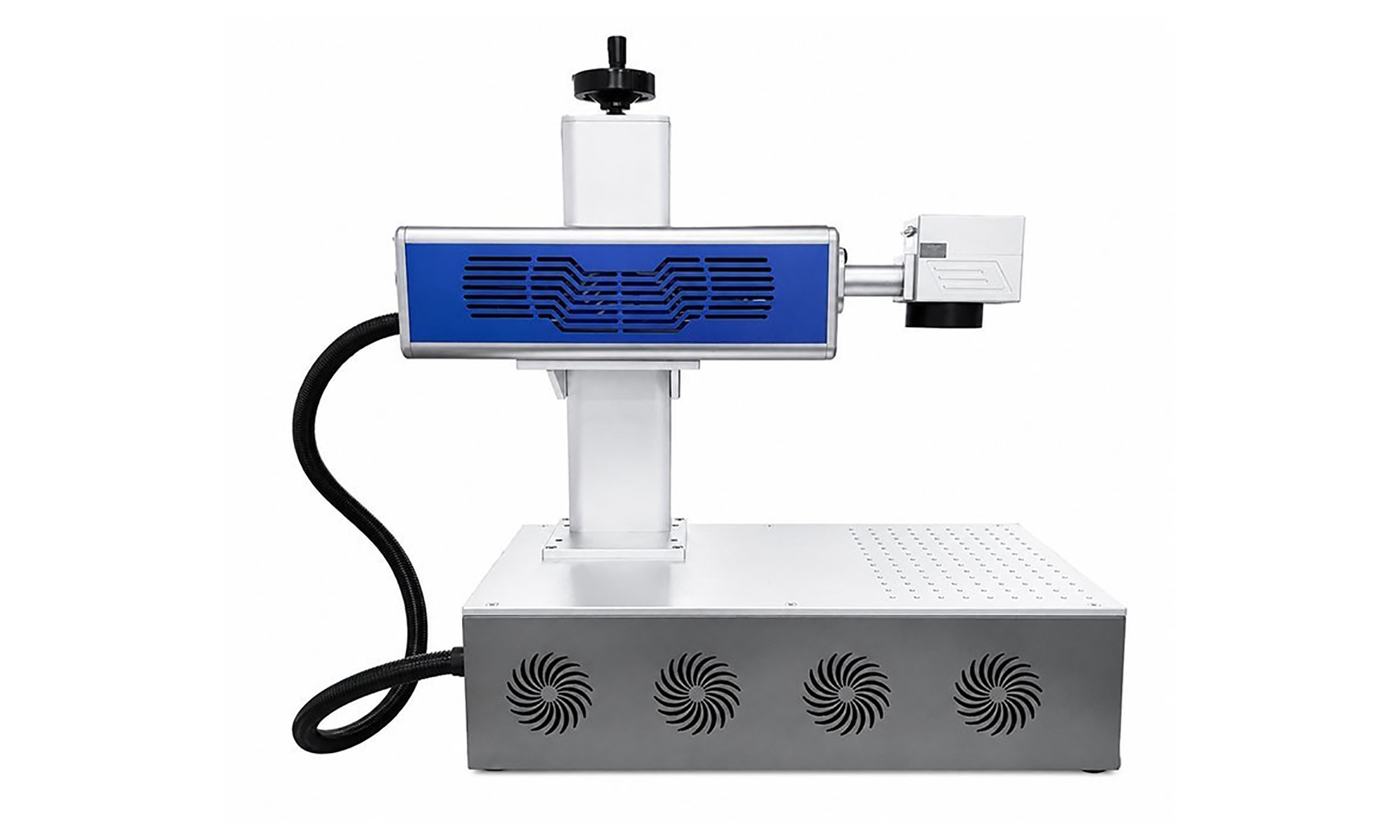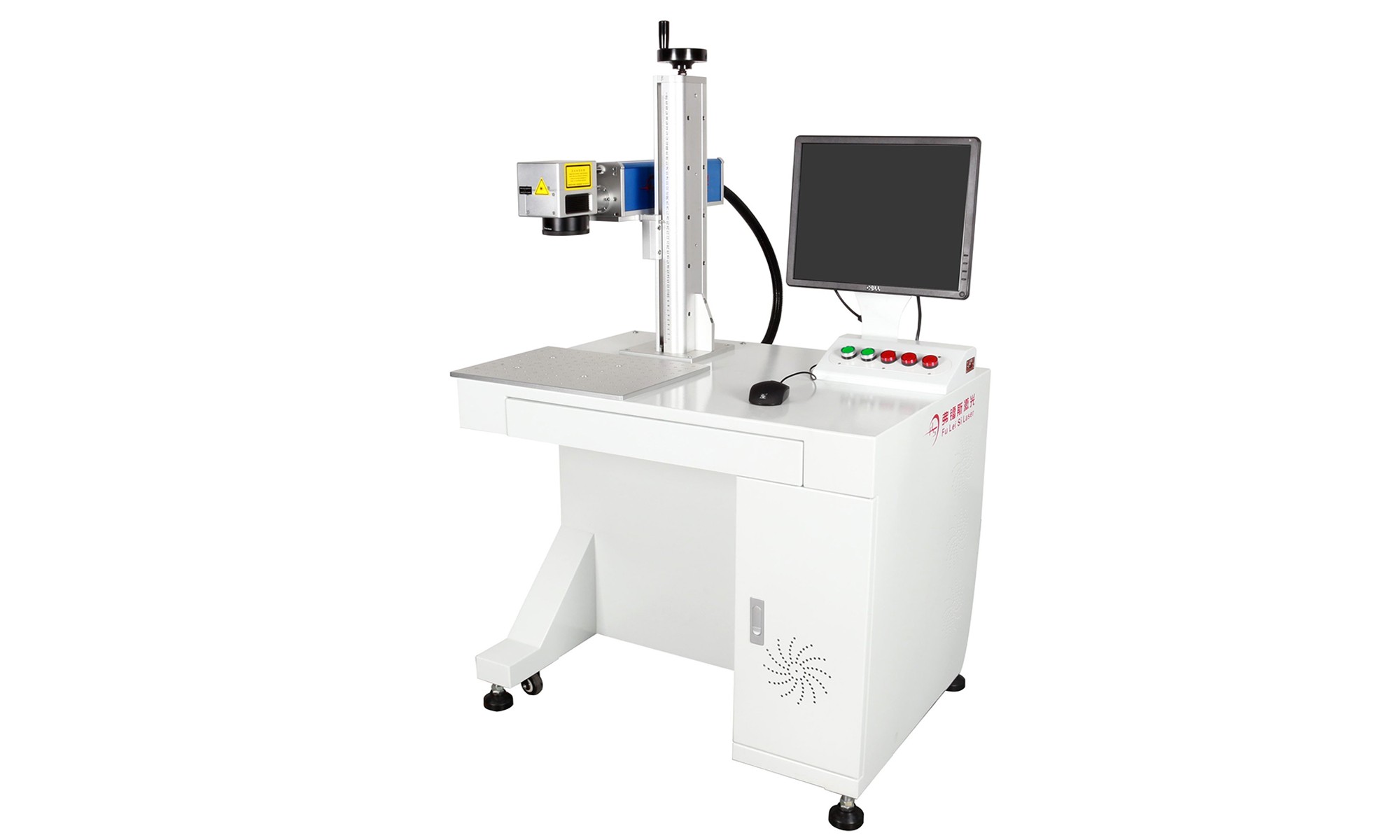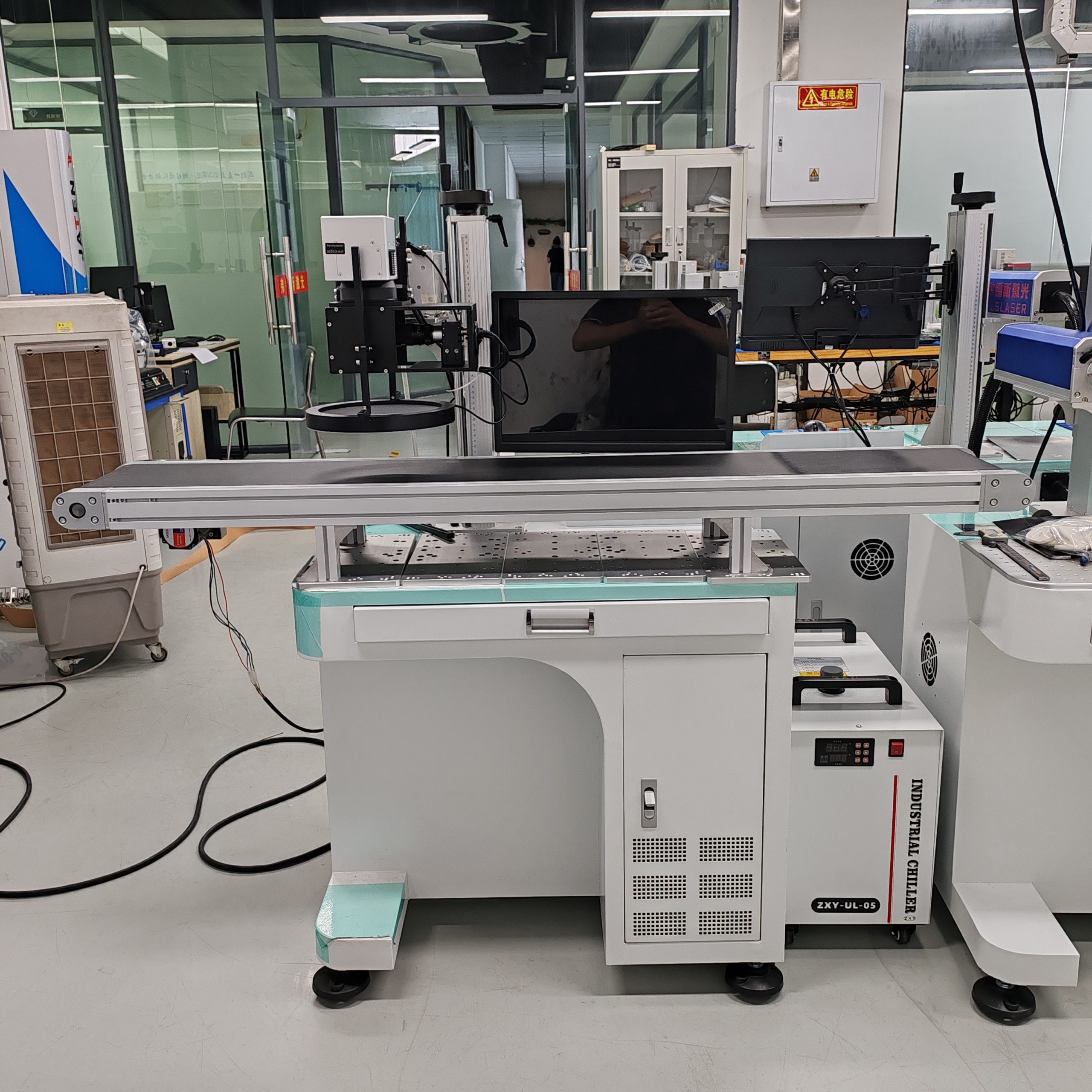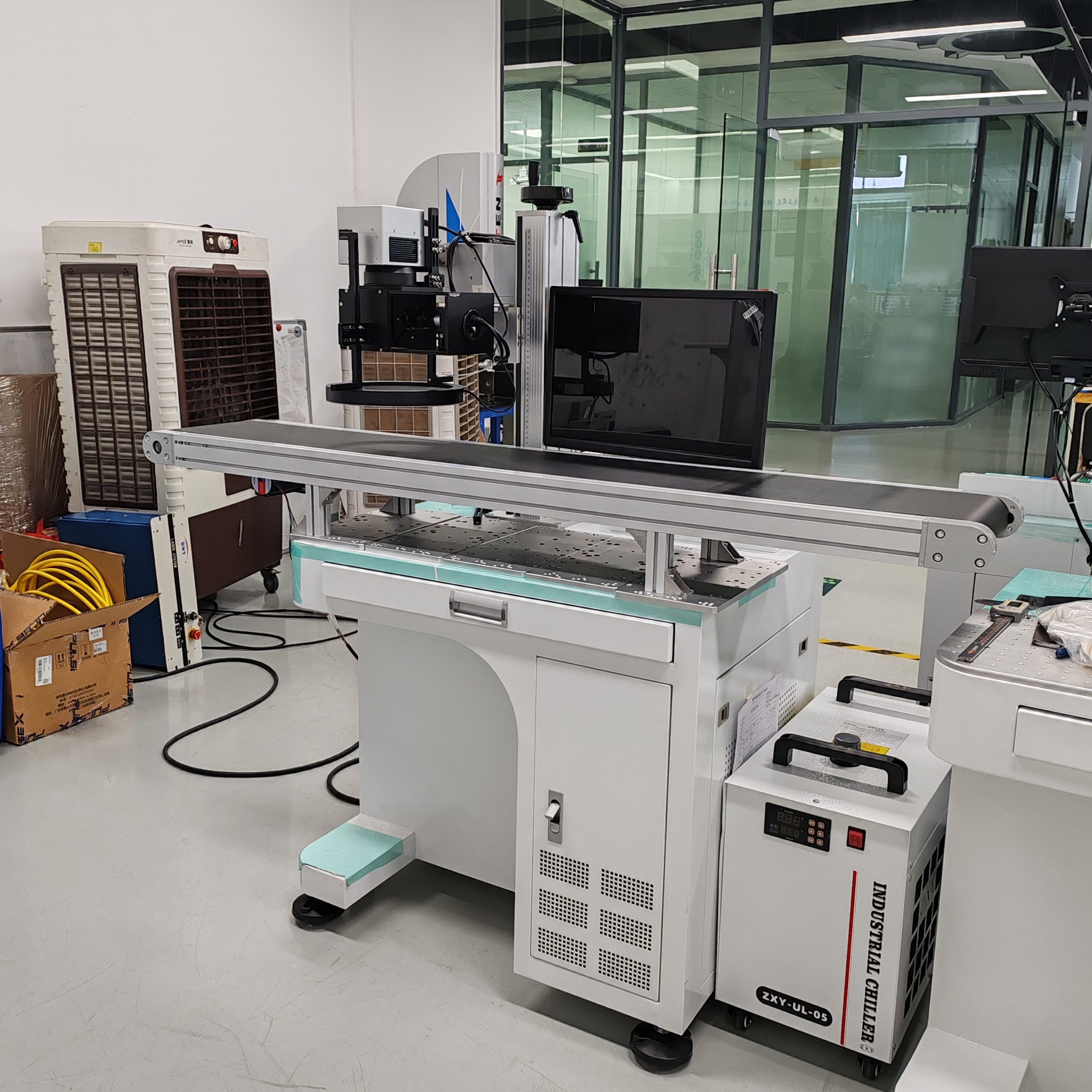
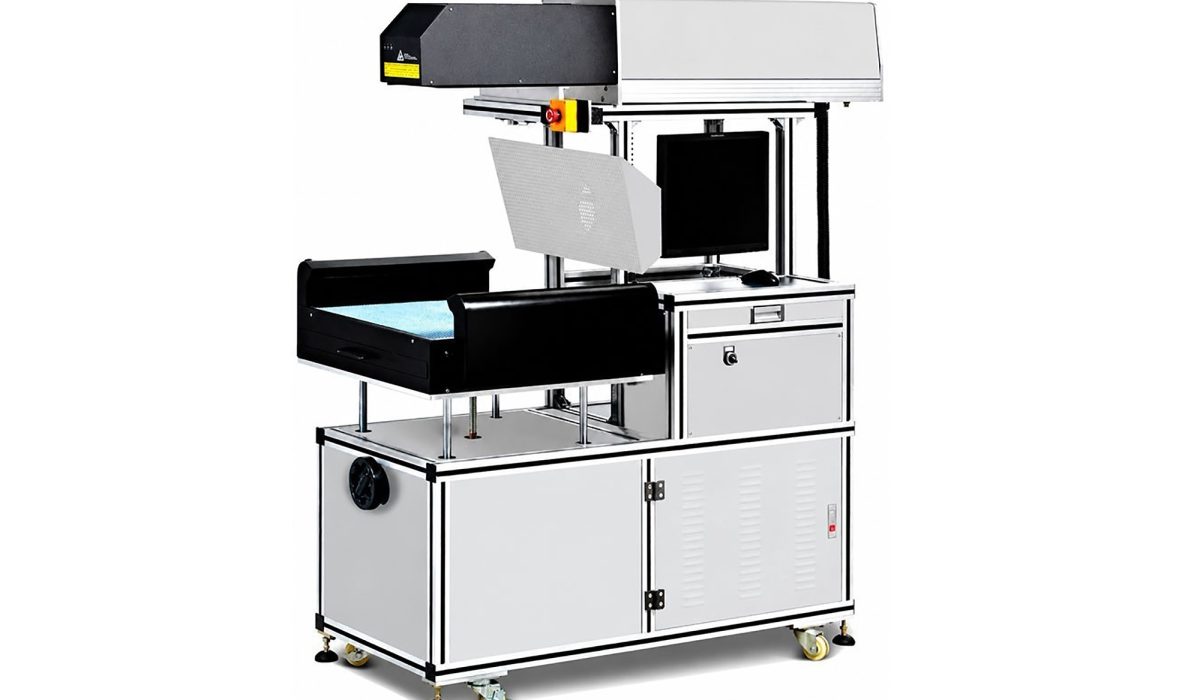
A CO2 laser marking machine is one of the most versatile and widely used laser marking systems in industrial manufacturing today. Unlike fiber lasers that work best on metals, a CO2 laser marking machine uses a carbon dioxide gas mixture as the laser medium, making it ideal for engraving and marking organic materials, plastics, wood, leather, glass, and many non-metallic surfaces. In this complete guide, we break down everything you need to know about CO2 laser marking technology — from how it works to selecting the right power, materials, applications, and maintenance best practices.
Whether you run a small workshop, a packaging line, a craft business, or a large-scale manufacturing operation, understanding what a CO2 laser marking machine can do will help you make smarter equipment investments and improve your production efficiency in 2026.
What Is a CO2 Laser Marking Machine?
A CO2 laser marking machine is a type of laser system that generates an invisible infrared beam (typically 10.6 µm wavelength) by electrically stimulating a mixture of carbon dioxide, nitrogen, and helium gas inside a sealed laser tube. The beam is then guided through a series of mirrors and focused through a lens onto the workpiece surface, where it creates a permanent mark by one of three mechanisms:
- Engraving — the laser removes a thin layer of material, creating a depth mark with texture
- Marking / Color Change — the laser heats the surface without significant material removal, causing a chemical change or discoloration
- Annealing — on coated metals or painted surfaces, the laser removes the top coating to reveal the underlying material
Compared with fiber and UV laser systems, the CO2 laser marking machine excels on non-metallic materials and offers the lowest cost per watt of optical power, making it the workhorse of many packaging, woodworking, textile, and signage industries.
How Does a CO2 Laser Marking Machine Work?
Understanding the working principle of a CO2 laser marking machine helps you evaluate quality, troubleshoot issues, and choose the right configuration for your application. The process involves four key stages:
1. Laser GenerationInside the sealed CO2 laser tube, a high-voltage electrical discharge excites the CO₂/N₂/He gas mixture. Nitrogen molecules transfer energy to CO₂ molecules, which then emit photons at the 10.6 µm infrared wavelength as they return to a lower energy state. Mirrors at both ends of the tube form an optical resonator that amplifies the light into a coherent laser beam.
2. Beam DeliveryThe beam exits the tube through a partially reflective mirror and travels through a path of gold-coated reflection mirrors. These mirrors redirect the beam toward the marking head while maintaining beam quality and alignment.
3. Beam Steering (Galvanometer System)The beam enters the galvo scanner head, where two high-speed rotating mirrors (X and Y axes) precisely redirect the laser beam across the workpiece surface. Galvo scanners can move the beam at speeds up to several meters per second, enabling the CO2 laser marking machine to produce text, barcodes, QR codes, logos, and complex graphics at high throughput.
4. Focusing and MarkingA flat-field (f-theta) lens focuses the beam to a tiny spot (typically 50–200 µm) on the material surface. The focused energy heats or vaporizes the material in a controlled pattern, creating a permanent mark. An optional rotary attachment allows the CO2 laser marking machine to mark cylindrical objects like bottles, cups, and rings.
Core Components of a CO2 Laser Marking Machine
A high-quality CO2 laser marking machine is built from precision-engineered components that directly affect marking quality, speed, and lifespan. Here are the six critical parts you should evaluate:
1. CO2 Laser Tube — The Heart of the SystemThe laser tube determines beam quality, power stability, and service life. Quality varies widely:
- Glass tubes (entry-level): 2,000–8,000 hours lifespan, lower cost, common in 30W–60W machines
- Metal / RF-excited tubes (industrial-grade): 10,000–45,000+ hours, superior beam quality, faster modulation, used in 10W–100W+ industrial systems
- Brands to look for: Synrad, Coherent, Universal Laser Systems, Reci, Yongli, EFR
2. Galvanometer Scanner — Determines Speed and PrecisionThe galvo scanner is the “hand” of your CO2 laser marking machine. Look for:
- Digital galvo scanners with closed-loop feedback for high precision
- Scan speed: 5,000–10,000 mm/s is standard for industrial models
- Repeatability: ≤ ±0.001 mm for precision applications
3. F-Theta Lens — Focus Quality Across the Marking AreaThe f-theta lens ensures the focused spot remains consistent across the entire marking field. Key considerations:
- Focal length options: 100 mm, 160 mm, 210 mm, 254 mm, 330 mm
- Marking area: 70×70 mm up to 300×300 mm or larger
- Material: ZnSe (zinc selenide) lenses are standard for CO2 lasers
4. Control System and SoftwareThe software interface controls marking content, parameters, and machine operation. Popular options:
- EZCad2 / EZCad3 — the most widely used marking software in the industry
- LightBurn — popular with small businesses and hobbyists, supports vector and raster
- CorelDRAW / AutoCAD plug-ins — for direct design-to-marking workflows
5. Worktable and EnclosureIndustrial CO2 laser marking machines may include:
- XYZ worktable with manual or motorized height adjustment
- Rotary attachment for cylindrical objects
- Safety enclosure with Class 1 laser safety rating
- Fume extraction system for safe operation
6. Cooling SystemProper cooling extends tube life and maintains power stability:
- Air cooling — for low-power (10W–30W) portable models
- Water cooling — for 40W and above, ensures consistent performance during long runs
Power Options: Which CO2 Laser Marking Machine Is Right for You?
Choosing the right power level is the most important decision when buying a CO2 laser marking machine. Here’s a breakdown of common power ratings and their typical uses:
| Power | Typical Applications | Marking Depth | Material Examples |
|---|---|---|---|
| 10W CO2 | Fine marking, high-detail graphics, electronics | Surface / color change | Plastics, PCB, thin films |
| 20W–30W CO2 | General industrial marking, packaging lines | 0.05–0.2 mm | Paper, leather, acrylic, wood |
| 40W–60W CO2 | Engraving, signage, woodworking, crafts | 0.2–1 mm | Wood, acrylic, rubber, glass |
| 80W–100W CO2 | Deep engraving, cutting, industrial production | 1–5 mm+ cutting | Thick wood, acrylic, fabric, foam |
Rule of thumb: If your primary need is fast surface marking on plastic or packaging, a 20W–30W CO2 laser marking machine offers the best balance of speed, quality, and cost. If you need engraving depth or occasional cutting, step up to 50W–60W.
Materials a CO2 Laser Marking Machine Can Mark
One of the biggest advantages of a CO2 laser marking machine is its ability to work with an enormous range of materials. Here are the most common:
Excellent Results (High Contrast, Clean Edges):
- Wood and plywood
- Acrylic / PMMA / Plexiglas
- Leather and faux leather
- Paper, cardboard, and packaging materials
- Rubber stamps
- Glass (with proper settings for controlled surface marking)
- Plastics: ABS, PET, PP, PE, PVC, PC, nylon, Delrin
Good Results (May Need Coating or Specific Settings):
- Anodized aluminum (removes the anodized layer)
- Painted / powder-coated metals
- Ceramics
- Marble and stone
- Fabrics and textiles
- Foam
Not Recommended (Choose Fiber Instead):
- Bare / reflective metals (stainless steel, aluminum, copper, brass, gold, silver)
- Metals requiring deep annealing
For bare metal marking, you’ll want a fiber laser marking machine instead. Many manufacturers offer both CO2 and fiber systems to cover a full range of materials.
Industrial Applications of CO2 Laser Marking Machines
The CO2 laser marking machine finds use across dozens of industries. Here are the most important applications driving adoption in 2026:
1. Packaging and Food & BeverageCO2 lasers are the standard for marking expiration dates, lot codes, batch numbers, and QR codes on paper, cardboard, plastic bottles, and glass containers. They run at high speeds on production lines and produce permanent, food-safe marks without consumables like ink.
2. Woodworking and FurnitureFrom engraving logos on wooden gifts to marking serial numbers on furniture components, the CO2 laser marking machine delivers beautiful, high-contrast results on wood grain. Popular in custom gifts, crafts, and architectural woodwork.
3. Textile and ApparelCO2 lasers mark patterns, care labels, and brand logos directly on fabrics. They cut and mark simultaneously, reducing production steps in garment manufacturing.
4. Signage and AdvertisingAcrylic signs, LED channel letters, and 3D signage are commonly produced with CO2 laser systems that can both engrave and cut acrylic sheets in a single pass.
5. Electronics and PCBLow-power CO2 systems mark serial numbers, barcodes, and traceability codes on printed circuit boards and plastic electronic enclosures without damaging sensitive components.
6. Medical Devices and PharmaceuticalsCO2 lasers mark surgical instruments (plastic handles), pill bottles, blister packs, and medical tubing with permanent, UDI-compliant codes for traceability.
7. Personalized Gifts and CraftsTumblers, phone cases, wedding favors, custom pens, leather wallets — the CO2 laser marking machine is a favorite of small businesses and entrepreneurs for profitable personalization services.
8. Automotive and AerospaceMarking plastic interior components, rubber hoses, gaskets, and serial numbers on non-metallic automotive parts.
CO2 vs. Fiber vs. UV: Which Laser Marking Machine Should You Choose?
Not sure whether a CO2 laser marking machine is right for your materials? Here’s a quick comparison:
| Feature | CO2 Laser | Fiber Laser | UV Laser |
|---|---|---|---|
| Wavelength | 10,600 nm (IR) | 1,064 nm (near IR) | 355 nm (UV) |
| Best for | Non-metals, organics | Metals, some plastics | Super-fine, heat-sensitive |
| Mark on metal | Limited (coated only) | Excellent | Good (fine marks) |
| Mark on wood/acrylic | Excellent | Poor | Good (fine) |
| Mark on glass | Good | Poor | Excellent |
| Typical power | 10W–100W+ | 20W–100W+ | 3W–15W |
| Beam spot size | 50–200 µm | 10–50 µm | <10 µm |
| Cost per watt | Lowest | Medium | Highest |
| Lifespan (tube) | 2k–45k hours | 100k+ hours | 10k–20k hours |
Bottom line: If your work is primarily on wood, acrylic, leather, paper, glass, or plastics, the CO2 laser marking machine is your most cost-effective choice. If you mainly mark bare metals, go with fiber. If you need ultra-fine marking on delicate electronics or medical components, choose UV.
Maintenance Tips for Your CO2 Laser Marking Machine
Proper maintenance keeps your CO2 laser marking machine running reliably for years and extends laser tube life. Follow this schedule:
Daily (5–10 minutes):
- Check lens and mirror surfaces for dust or debris
- Clean the fume extraction filter inlet
- Verify water level (for water-cooled systems)
Weekly:
- Clean all optical components (mirrors, lens) with isopropyl alcohol and lens paper
- Inspect belt tension and alignment
- Empty fume extraction filter or replace if needed
Monthly:
- Lubricate linear guides and bearings
- Check water quality; replace distilled water if dirty
- Inspect all cable connections
- Run a test mark to verify alignment and power
Quarterly / Semi-annually:
- Full alignment check of the beam path
- Replace water filter cartridges
- Inspect laser tube for signs of wear or power degradation
- Update control software to the latest version
Pro tip: Keep a maintenance log. Recording power test results, cleaning dates, and any issues helps you spot trends early and plan for tube replacement before it causes downtime.
Frequently Asked Questions About CO2 Laser Marking Machines
Q: How long does a CO2 laser tube last?A: Entry-level glass tubes typically last 2,000–8,000 working hours. Industrial-grade metal RF tubes last 10,000–45,000+ hours, with some premium brands exceeding 50,000 hours. Actual lifespan depends on power settings, duty cycle, cooling quality, and maintenance.
Q: Can a CO2 laser marking machine mark metal?A: A CO2 laser marking machine can mark coated or painted metals (it removes the coating), but it cannot directly engrave or anneal bare metals. For bare metal marking like stainless steel or aluminum, use a fiber laser marking machine. For CO2 on metal, you can also use a marking spray or coating that reacts with the laser to create a dark mark.
Q: How much does a CO2 laser marking machine cost?A: Entry-level 30W portable models start around $1,500–$3,000. Mid-range 40W–60W industrial machines with enclosures cost $3,500–$8,000. High-power 80W–100W systems with premium RF tubes and automation features can range from $8,000 to $20,000+.
Q: Is a CO2 laser marking machine safe?A: Yes, when properly used with safety precautions. CO2 laser beams are invisible infrared and can cause serious eye and skin damage. Always use a Class 1 enclosed system when possible, wear appropriate laser safety goggles (OD 7+ at 10.6 µm), ensure proper fume extraction, and follow laser safety protocols.
Q: What software does a CO2 laser marking machine use?A: Most industrial CO2 laser marking machines use EZCad2 or EZCad3 software, which supports text, barcodes, QR codes, vector graphics, and variable data. Many hobbyist and small-business machines work with LightBurn, which offers a more modern interface and supports both Windows and Mac.
Q: Can a CO2 laser marking machine cut materials?A: Yes, depending on power. A 40W machine can cut thin wood and acrylic. A 60W–80W machine cuts 5–10 mm wood and acrylic. A 100W+ machine handles thicker materials. However, marking machines are optimized for speed and fine detail, not deep cutting — if cutting is your primary need, consider a dedicated CO2 laser cutter/engraver with a larger work area.
Final Thoughts
The CO2 laser marking machine remains one of the most versatile and cost-effective laser marking solutions on the market. Its ability to mark almost any non-metallic material with speed, precision, and permanence makes it indispensable in packaging, woodworking, crafts, textiles, signage, and dozens of other industries.
When choosing a system, start with your materials and required marking speed, then select the appropriate power level, laser tube quality, and software ecosystem. With proper maintenance, a well-built CO2 laser marking machine will serve your business for many thousands of hours of production.
If you’re still unsure which configuration fits your application, contact our laser experts for a free material sample test and personalized recommendation.
Related Articles:UV Vision Marking Machine Buying Guide: Price, ROI, and How to Choose in 2026