Laser equipment manufacturers build the machines that cut, weld, clean and mark metal, plastic, glass and ceramics. For a factory owner, a job shop or a hardware brand, selecting one of them is among the most expensive decisions of the year. An industrial fiber laser marker costs anywhere from about $1,500 to more than $15,000, and a week of unplanned downtime can cost more than the machine itself. This guide shows you how to compare laser equipment manufacturers on verifiable facts instead of sales talk.
In practice, a dependable supplier delivers three things. It supplies a machine that fits your material, it quotes a price you can audit, and it answers the phone when your line stops. Next, we look at each in turn, then hand you a checklist you can send to every vendor on your shortlist.
What Laser Equipment Manufacturers Actually Do
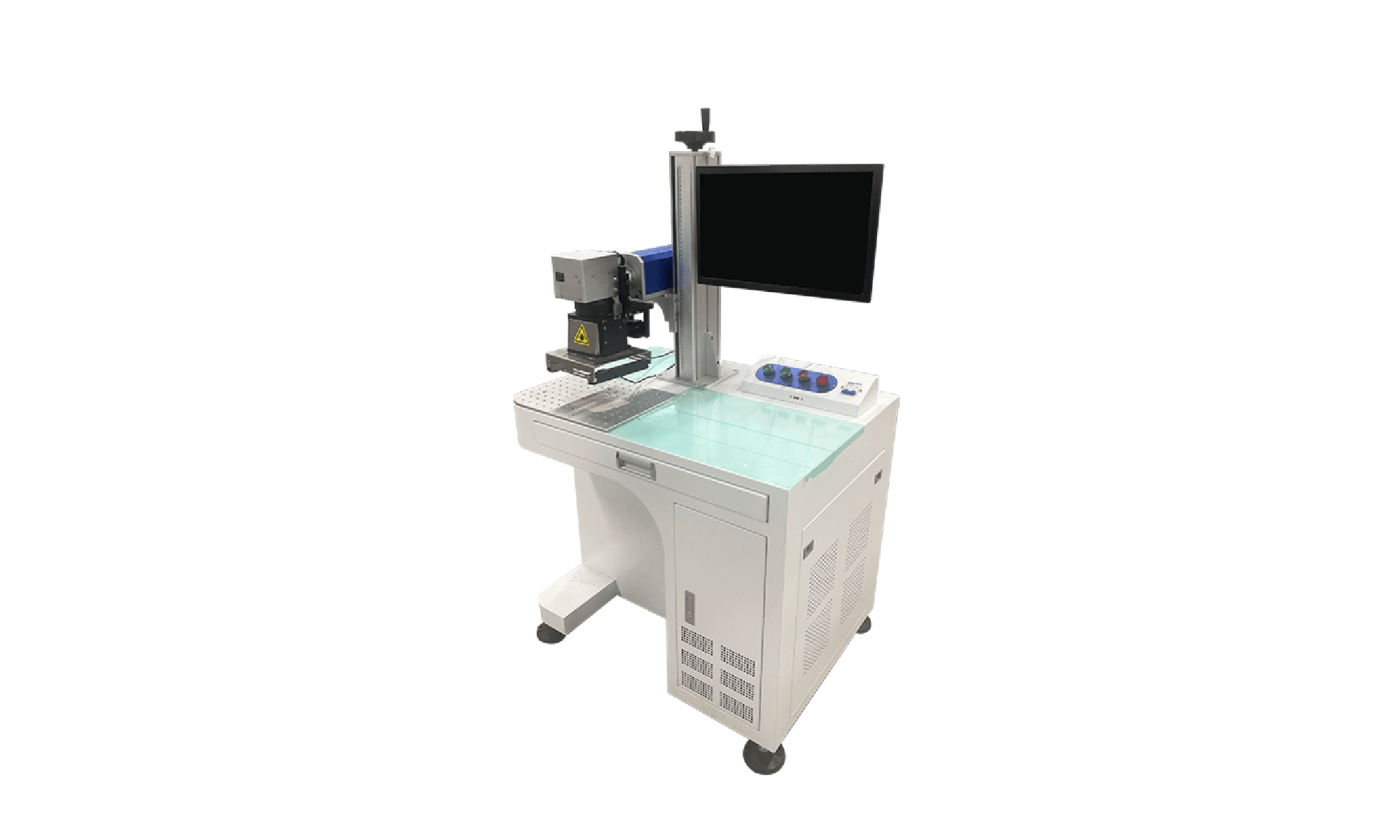
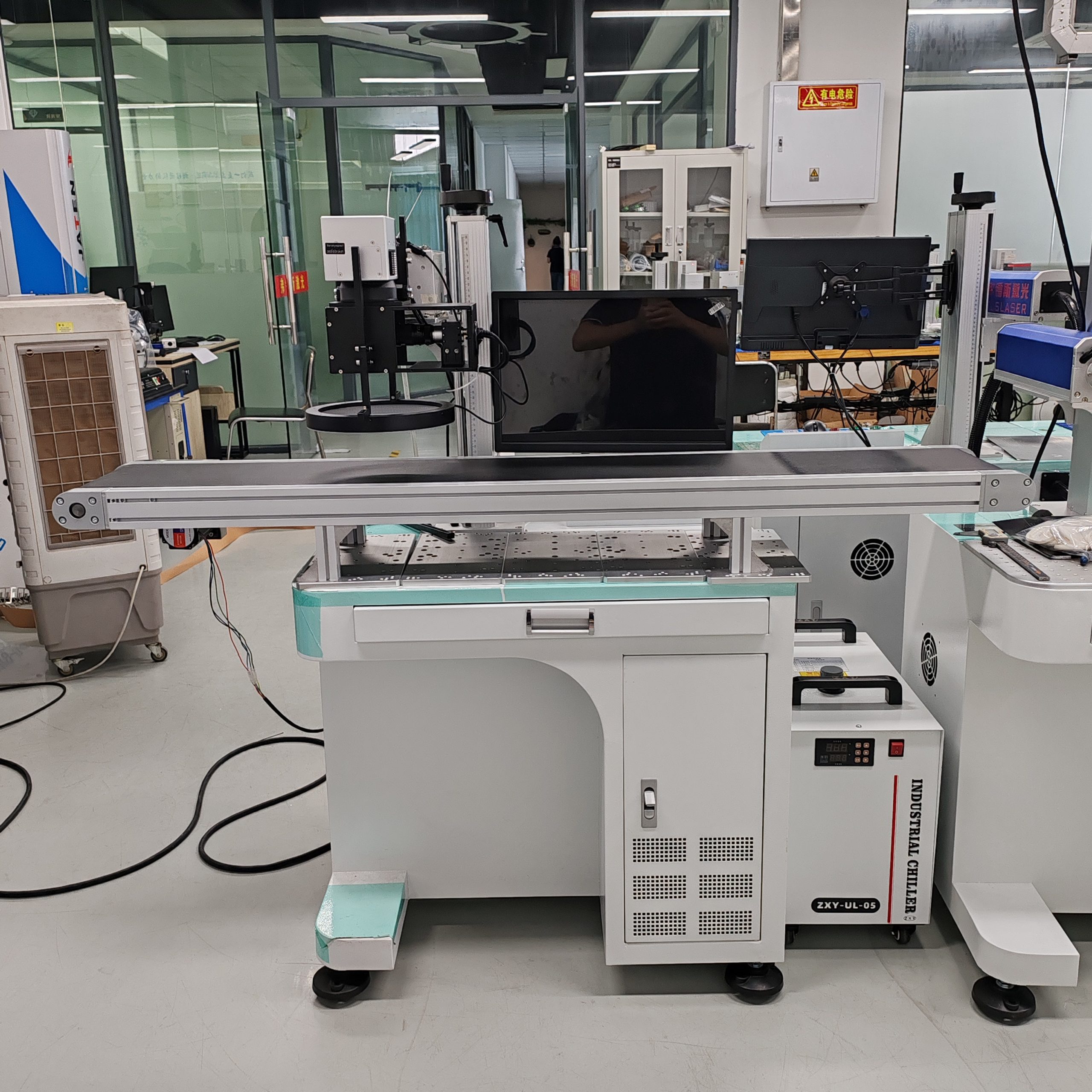
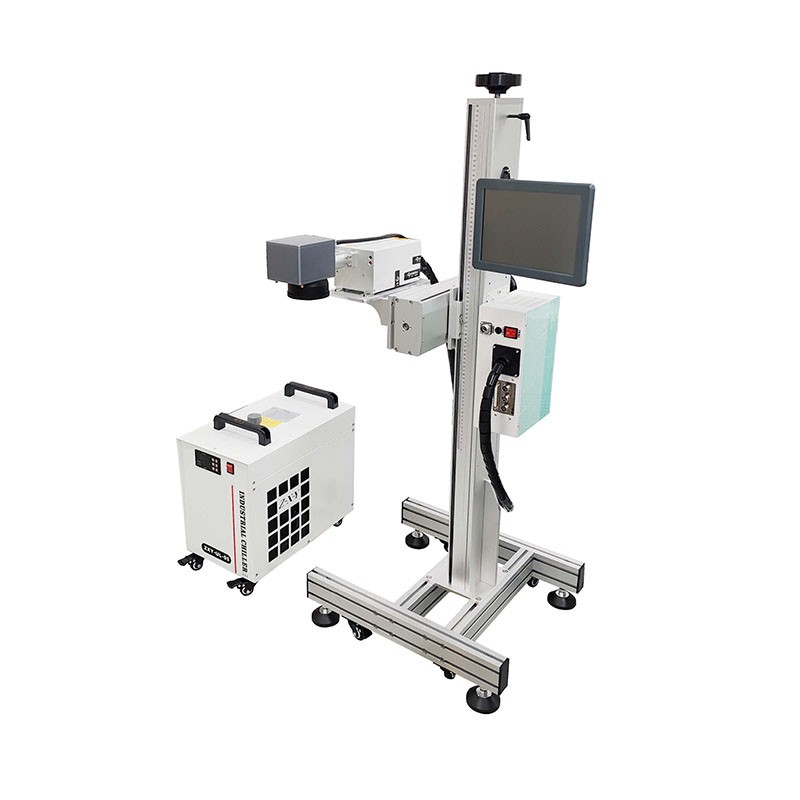
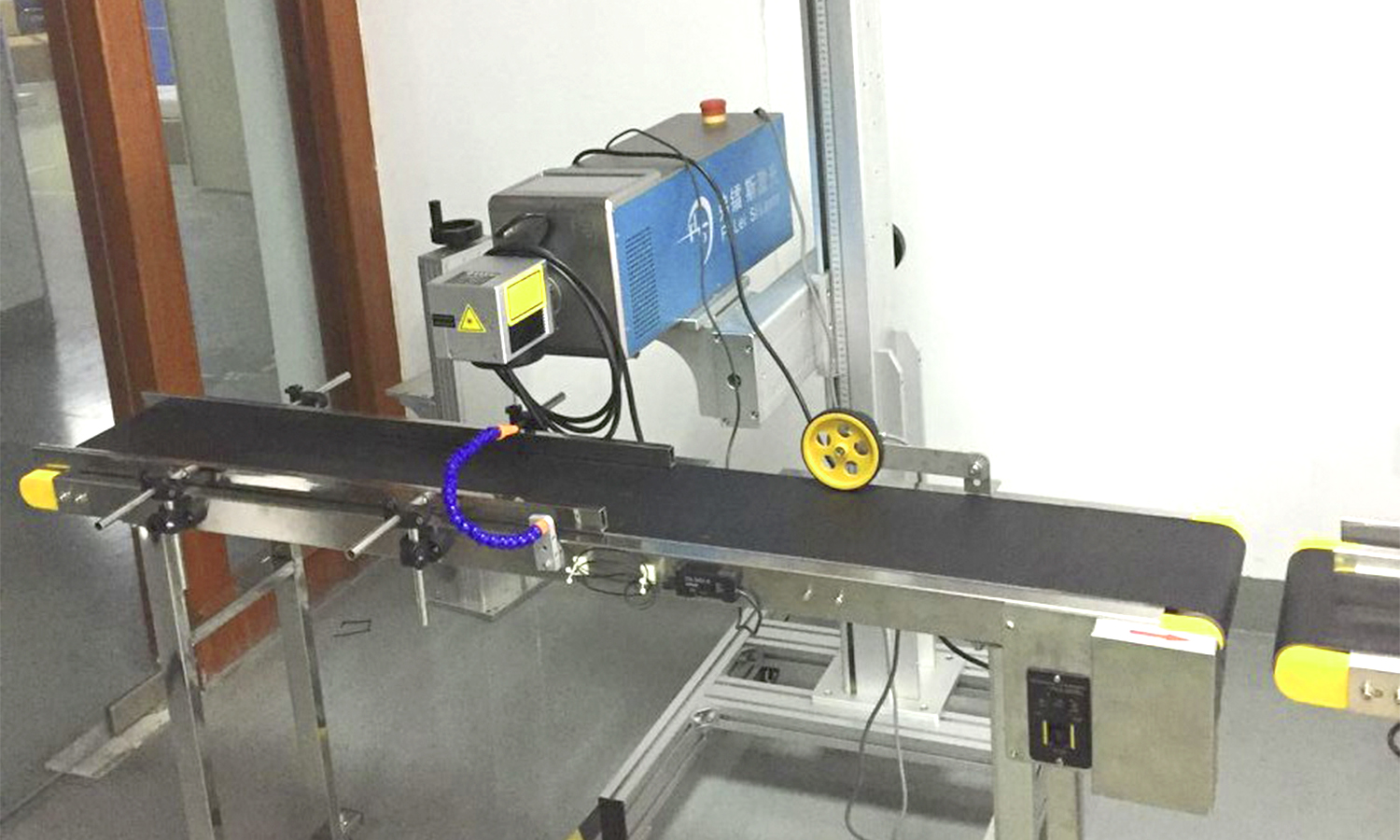
A genuine laser equipment manufacturer designs, assembles and tests machines in its own plant. It sources or builds the laser source, the galvo scanner, the control board and the marking software, and then integrates them into a working system. A trading company resells those same machines and adds a margin. Both can quote 30W, yet only a factory can repair a fault at component level. That difference decides how fast your production restarts after a breakdown.
However, one quick test settles the question: can I see the line where my machine will be built? A manufacturer says yes and offers a video call or a visit. A trader changes the subject.
The Market Keeps Growing, So Screening Matters
Demand for these systems keeps rising. Grand View Research values the global laser marking machine market at USD 4.4 billion in 2025 and expects it to reach USD 7.3 billion by 2033, which is a compound annual growth rate of 7.4%. Growth attracts new vendors every year, and many of them look identical on a website.
In practice, the strongest filter is paperwork. Ask for the business licence, the component list and the test report before you discuss price. That single request removes most of the risk in one step, because a trader cannot produce documents it does not have.
Factory or Trader? Five Signals in Five Minutes
- Business scope. The licence should include production or manufacturing, not only sales and service.
- Live factory video. Ask for a walkthrough recorded today, not a photo gallery from three years ago.
- Named components. The quote should name the laser source, the galvo scanner and the control board by brand and model.
- Test evidence. Request sample marks on your own material, together with the factory ageing test record.
- Staff versus output. A team of 50 people cannot ship hundreds of units a month, so compare headcount with claimed capacity.
The 6-Point Vetting Checklist for Laser Equipment Manufacturers
Use the table below as a scoring sheet. Give every supplier one point for a clear answer, and drop anyone who scores below four.
| # | What to check | Why it matters | Red flag |
|---|---|---|---|
| 1 | Laser source brand and model (Raycus, JPT, MAX, IPG) | Beam quality and a service life above 100,000 hours | “We use a famous brand”, with no model number |
| 2 | Galvo scanner and F-theta lens | Marking speed, repeatability and spot size | Unnamed or unbranded optical parts |
| 3 | Control board and software (EZCAD, LightBurn support) | File formats, automation and future upgrades | Closed system with no update policy |
| 4 | Power and marking field against your part | 20W to 100W, with 110 x 110 mm to 300 x 300 mm fields | One machine offered for every application |
| 5 | Sample marks on your own material | Real proof of contrast, depth and cycle time | Stock photos only, no test part |
| 6 | After-sales terms in writing | Response time, warranty scope and spare-part stock | Vague promises with no numbers |
Power, Price and the Real Cost of Ownership
Wattage drives price more than any other specification. A 20W fiber laser marks logos and thin metal, while a 30W machine handles most industrial marking work. Meanwhile, a 50W to 100W system engraves deeply or runs fast cycles. In addition, UV and CO2 sources cover plastics, glass and organic materials. The table below shows typical 2026 market ranges for reference.
| Configuration | Typical 2026 price (USD) | Best for |
|---|---|---|
| 20W fiber laser | $1,500 – $2,500 | Logos, thin metal, light engraving |
| 30W fiber laser | $2,500 – $6,000 | The industrial workhorse for metal parts |
| 50W – 100W fiber laser | $6,000 – $15,000+ | Deep engraving, high-cycle production |
| 3W – 5W UV laser | $3,500 – $15,000+ | Plastics, glass, PCB, medical devices |
| 30W – 60W CO2 laser | $1,800 – $8,000+ | Wood, leather, rubber, coated metals |
However, purchase price is only the first cost. Freight, installation, training, spare parts, electricity and downtime all follow. A cheap machine with slow support often costs more in year two than a better machine with a fast service team. In other words, you buy the support as much as you buy the hardware.
Certifications, Compliance and Laser Safety
Ask for CE marking under the Machinery Directive 2006/42/EC and the EMC Directive 2014/30/EU, plus EN 60825 for laser safety. An ISO 9001 certificate shows a managed quality system. RoHS and REACH matter for electronics and optics. For the US market, laser products fall under FDA / CDRH rules in 21 CFR 1040.10 and 1040.11.
Above all, certificates should name your exact model. A document issued for a different machine protects nobody, and blurred serial numbers are a warning rather than proof.
Red Flags That Should End the Conversation
- A price far below every other quote, with no component list attached.
- No factory video, no verifiable address, no landline number.
- A “lifetime warranty” with no response time and no spare-part stock.
- A quote that hides freight, installation and training costs.
- No test sample on your material, only catalogue images.
Frequently Asked Questions
How do I find reliable laser equipment manufacturers?
Shortlist five suppliers from search results and trade shows, then send the same part and the same questions to all five. Compare the answers rather than the brochures, and visit or video-call the two strongest candidates.
How much do laser equipment manufacturers charge in 2026?
A 20W fiber marker starts near $1,500. A 30W industrial unit ranges from $2,500 to $6,000. Then a 50W to 100W system costs $6,000 to $15,000 or more, and UV markers start around $3,500. Prices rise with power, marking field, automation and laser source brand.
Do Chinese laser equipment manufacturers meet EU and US standards?
Many do. Hundreds of factories hold CE and ISO 9001 certificates and export to Europe and North America. Still, verify the certificate for your exact model, and confirm the laser class label before shipment.
How long does a laser marking machine last?
A fiber laser source usually runs for more than 100,000 hours. The galvo head, lens and control board wear faster, so spare-part availability matters more than the headline figure.
Your Next Step
So send your part with a request for a sample, and ask for a written quote that lists every component, the warranty terms, the delivery date and spare-part prices. Then score three suppliers on the checklist above. Meanwhile, FLS Laser has built industrial laser systems in Shenzhen since 2011 and exports to more than 50 countries. For background reading, see our complete product guide to fiber laser marking machines, our 2026 market report and our after-sales service guide.Or contact our engineering team for a free supplier pre-assessment and sample marking test.