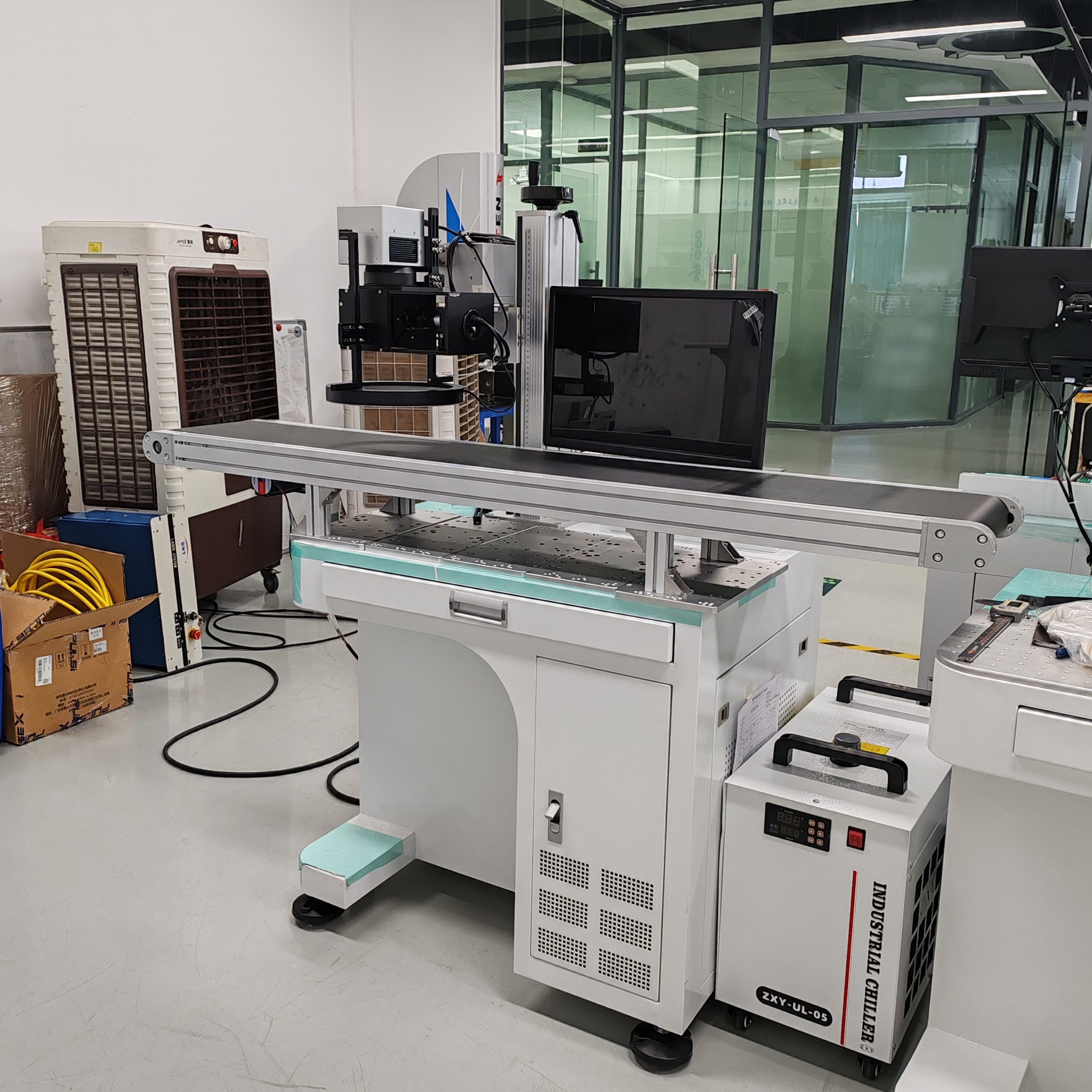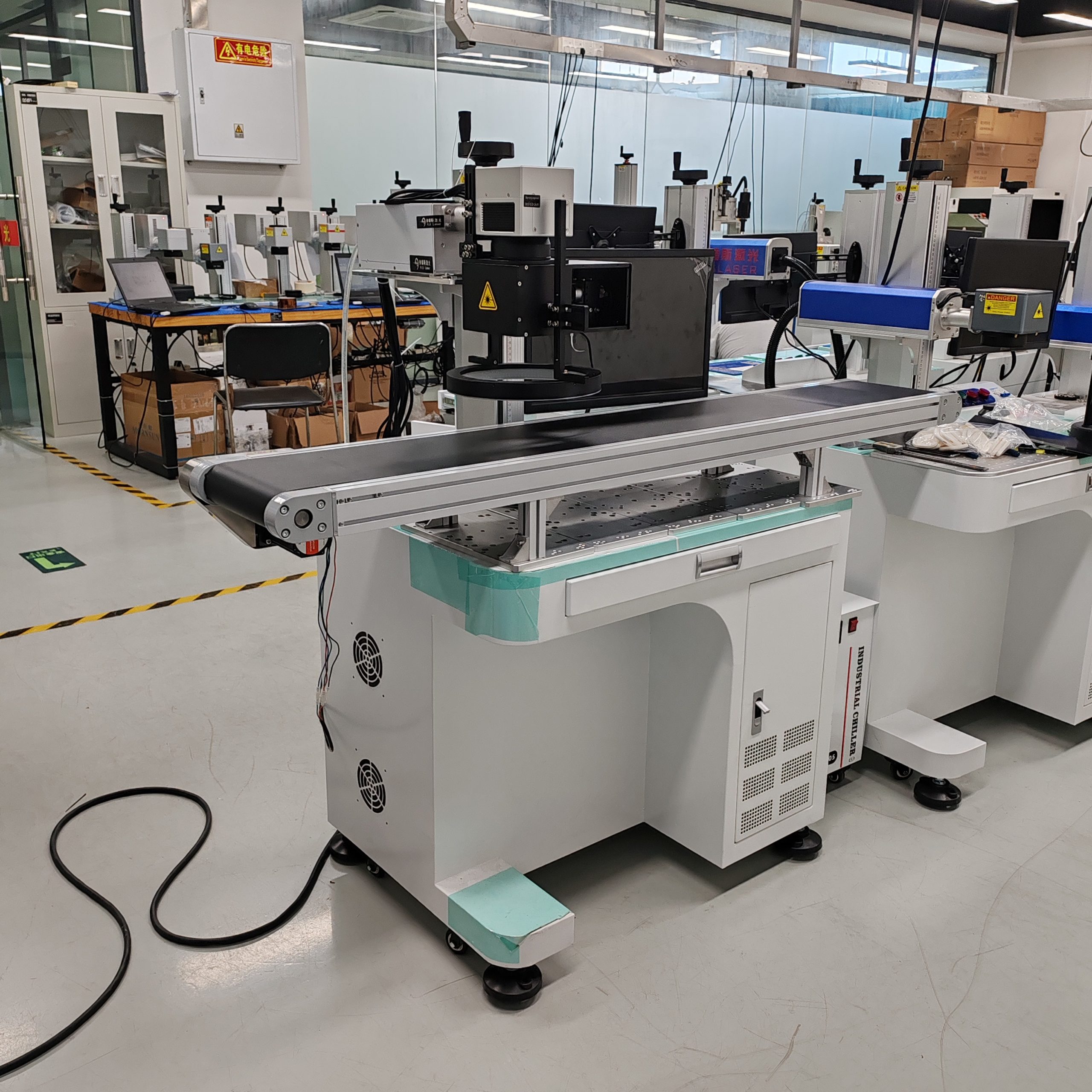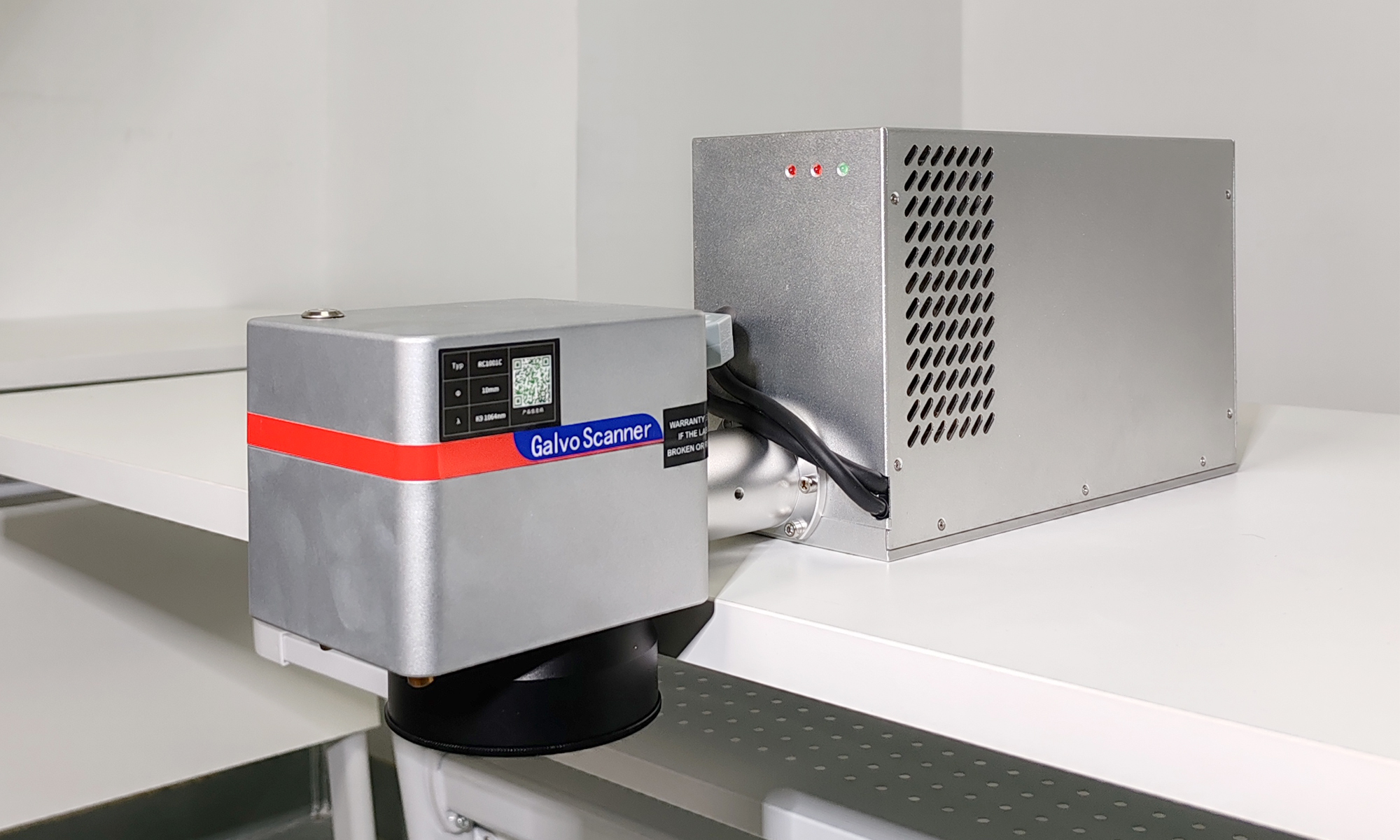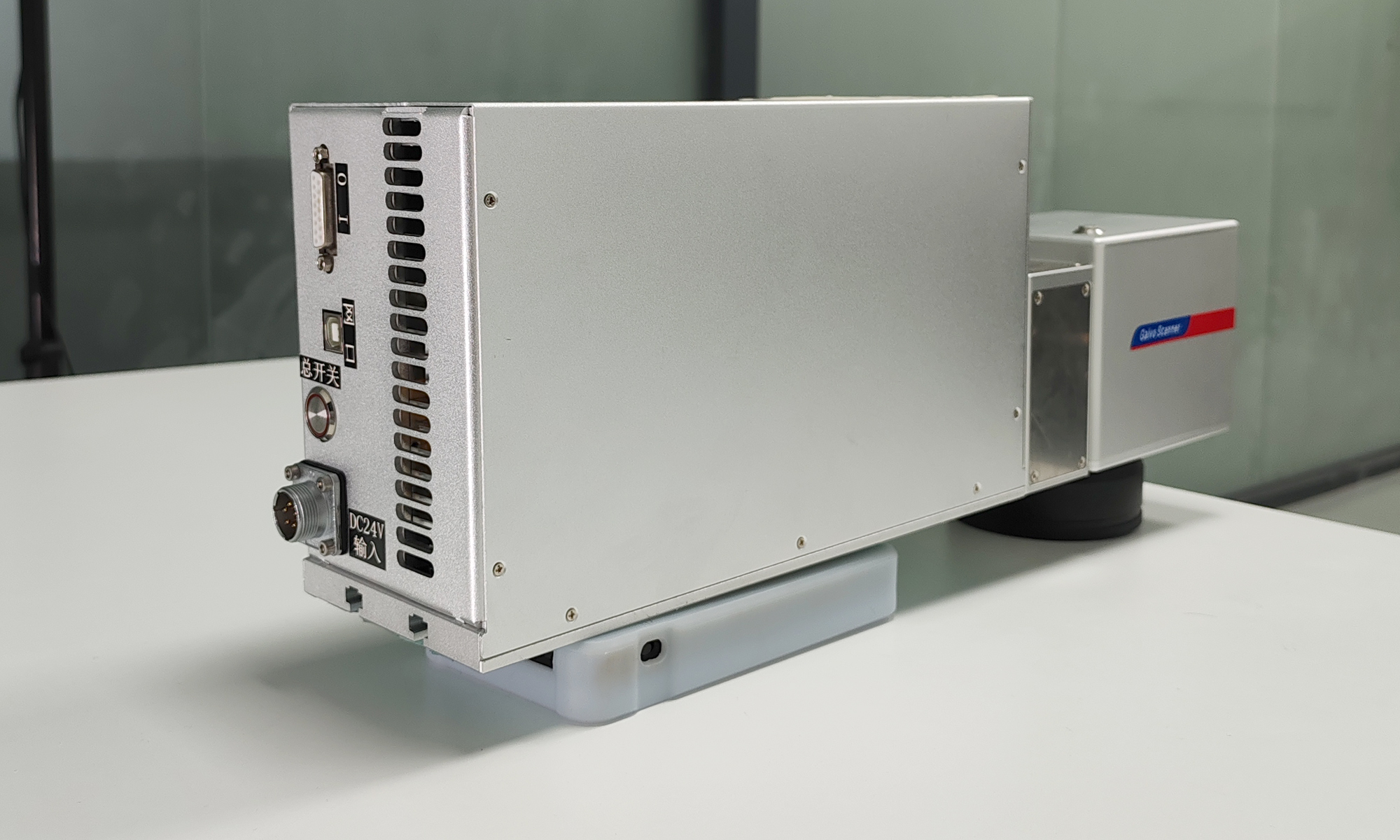
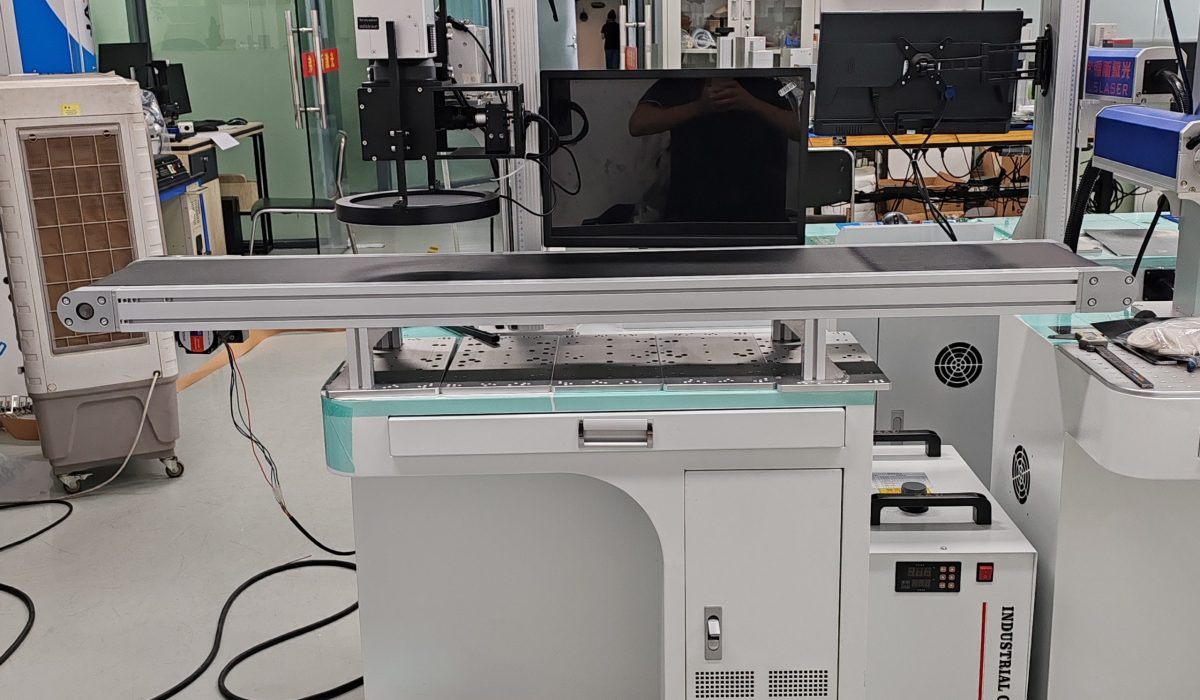
Investing in a UV vision marking machine is a significant decision—one that impacts product quality, production efficiency, and your bottom line for years to come. But with so many models, power ratings, configurations, and manufacturers on the market, how do you know which machine is right for your business?
This UV vision marking machine buying guide walks you through everything you need to know: how prices break down by power and features, how to calculate ROI, the 9 most critical factors to evaluate before purchasing, and how to choose between Chinese and imported brands. By the end, you will have a clear framework for making a smart, confident buying decision.
UV Vision Marking Machine Price Guide 2026
The cost of a UV vision marking machine varies widely based on laser power, configuration, automation level, and brand. Here is a realistic price range for the most common configurations.
| Configuration | Price Range (USD) | Typical Buyer |
|---|---|---|
| 3W Desktop UV + Basic Vision | $6,000 – $9,500 | Small workshops, R&D labs, jewelry |
| 5W Industrial UV + CCD Vision | $10,000 – $18,000 | Electronics factories, medical device SMEs |
| 10W Production UV + High-Speed Vision | $18,000 – $28,000 | High-volume PCB, automotive, battery plants |
| 15W+ Heavy-Duty UV + 3D Vision + Automation | $28,000 – $45,000+ | Semiconductor fabs, aerospace, large OEMs |
| Fully Automated UV Vision Marking Line | $40,000 – $100,000+ | Mass production lines with robotic loading |
What Drives the Price Up?
Several key components and options add significantly to a UV vision marking machine‘s price:
- Laser power — Going from 3W to 10W roughly doubles the laser source cost
- Laser brand — Imported lasers (INNO, JPT premium, Nlight) cost 30–60% more than domestic Chinese brands
- Galvo quality — Scanlab or Raylase galvos cost 2–3x more than domestic brands
- Vision system specs — 5 MP camera with telecentric lens + coaxial light costs more than a basic 2 MP system
- 3D dynamic focusing — Adds approximately $2,000–$4,000
- Enclosure & safety rating — Class 1 fully enclosed machines cost more than open-bench models
- Software features — MES integration, database connectivity, serialization, and AI inspection modules add cost
- Automation integration — Rotary axis, conveyor, robotic arm, and custom tooling all add to the total
- After-sales support — Longer warranty, on-site installation, and training packages have associated costs
How to Calculate ROI for a UV Vision Marking Machine
Before you buy, calculate your return on investment. A UV vision marking machine typically pays for itself within 6–18 months when it replaces older marking methods. Here is how to run the numbers.
Step 1: Calculate Current Costs (Annual)
| Cost Item | Example Amount | Notes |
|---|---|---|
| Ink / solvent / pad consumables | $8,000 | Inkjet or pad printing annual supplies |
| Labor for marking operation | $24,000 | 1 operator × $2,000/month |
| Rework / scrap from bad marks | $6,000 | Misprints, smudges, misalignment |
| Downtime for setup/changeover | $4,000 | Fixture changes, ink refill, cleaning |
| Total annual current cost | $42,000 |
Step 2: Calculate New Machine Annual Costs
| Cost Item | Example Amount | Notes |
|---|---|---|
| Machine depreciation (5-year) | $3,000 | $15,000 machine ÷ 5 years |
| Electricity & cooling | $600 | ~$50/month power |
| Maintenance & spare parts | $1,200 | ~$100/month average |
| Operator labor (reduced) | $12,000 | Part-time, automated operation |
| Total annual new cost | $16,800 |
Step 3: Calculate Annual Savings & ROI
- Annual savings = $42,000 − $16,800 = $25,200
- ROI period = $15,000 ÷ $25,200 ≈ 7 months
- 5-year net return = ($25,200 × 5) − $15,000 = $111,000
Additional (Often Overlooked) Benefits
Beyond direct cost savings, a UV vision marking machine delivers:
- Higher product quality — Permanent, consistent marks that never smudge or wear off
- Faster changeovers — No fixture changes needed with vision positioning
- Regulatory compliance — UDI, IATF 16949, and traceability requirements met
- Reduced environmental footprint — Zero consumables, zero waste
- Improved brand image — Premium, clean marking quality
9 Critical Factors to Evaluate Before Buying
Use this checklist from our UV vision marking machine buying guide to compare different suppliers and models objectively.
1. Material Compatibility & Marking Quality
Before anything else, send sample parts to the supplier for a free marking test. Evaluate:
- Mark contrast and readability
- Edge quality (no burrs, no melting, no discoloration)
- Depth consistency across the working field
- Whether marks survive your specific durability tests (abrasion, chemical, temperature)
2. Laser Power & Wavelength
Make sure the machine has enough power for your material and throughput needs—but don’t overbuy:
- 3W — Sufficient for most plastics, thin materials, and low-to-medium volume
- 5W — The sweet spot for most electronics, medical, and general industrial applications
- 10W — Needed for glass deep marking, ceramics, and high-volume production
- 15W+ — Heavy-duty semiconductor, thick materials, or very high-speed lines
Always confirm the wavelength is 355 nm (true UV). Some suppliers market 405 nm violet diode lasers as “UV”—they are not the same and do not provide true cold-processing benefits.
3. Vision System Performance
The vision system is what makes a UV vision marking machine worth the premium over a standard UV marker. Ask about:
- Camera resolution — 2 MP (basic) vs. 5 MP (recommended) vs. 12 MP (ultra-precision)
- Positioning accuracy — ±0.02 mm (good) vs. ±0.01 mm (excellent) vs. ±0.005 mm (ultra-high)
- Detection speed — < 200 ms (good) vs. < 100 ms (excellent)
- Lens type — Standard vs. telecentric (better for flat-field accuracy)
- Lighting — Ring light vs. coaxial light (coaxial is better for reflective or transparent materials)
- Software features — Template matching, multi-part detection, rotation correction, 3D positioning
4. Core Component Quality
The durability and performance of a UV vision marking machine depend on the quality of its key components. Ask specifically about:
- Laser source brand and model — Request detailed specs and lifespan rating
- Galvanometer brand — Scanlab, Raylase, Sinogalvo, JCZ, or unbranded?
- F-theta lens brand and field size — Make sure it matches your working area needs
- Chiller brand and temperature stability — ±1°C vs. ±0.5°C vs. ±0.1°C
5. Software Capabilities
Good software can save you hours every week. Look for:
- Support for common file formats (DXF, PLT, AI, BMP, JPG, PNG)
- Built-in barcode and QR code generation
- Serialization and database connectivity (Excel, SQL, etc.)
- MES / ERP integration options (OPC UA, Profinet, Ethernet/IP, custom API)
- User interface language options (critical for non-Chinese operators)
- Remote diagnostics and troubleshooting
6. Build Quality & Safety
A UV vision marking machine is an industrial tool. Inspect:
- Frame construction (aluminum extrusion vs. cast iron vs. sheet metal)
- Cable management and internal layout
- Enclosure quality and safety interlocks
- Laser safety rating (Class 1 fully enclosed vs. Class 4 open)
- CE / FDA / RoHS certifications
7. After-Sales Service & Support
This is often the most important factor people overlook. Ask:
- Warranty period — 1 year (standard) vs. 2 years (better) for the whole machine; laser source warranty specifically
- Response time — How fast can they troubleshoot remotely? 2 hours? 24 hours?
- On-site service — Do they have local technicians or partners in your country?
- Spare parts availability — How long does it take to get a replacement laser or galvo?
- Training — Do they provide operation and maintenance training? In person or online?
- Software updates — Free or paid? How frequently?
8. Total Cost of Ownership (TCO)
Don’t just look at the purchase price. Calculate TCO over 5 years:
- Initial machine cost
- Consumables (protective windows, filters, water)
- Spare parts and repairs
- Electricity and cooling
- Labor for operation and maintenance
- Expected downtime costs
A slightly more expensive machine from a reliable supplier can be cheaper in the long run because it breaks down less often and has better support.
9. Supplier Reputation & Financial Stability
Finally, evaluate the supplier as a company:
- How long have they been in business? (5+ years is a good sign)
- Do they have experience in your specific industry?
- Can they provide customer references in your country or region?
- Do they have their own R&D team, or are they just trading machines?
- What is their export experience? Do they understand international shipping, customs, and certification requirements?
Chinese vs. Imported UV Vision Marking Machines
One of the biggest decisions in this UV vision marking machine buying guide is whether to buy a Chinese or an imported machine. Here is an honest comparison.
| Factor | Chinese Machines | Imported Machines (Keyence, Videojet, FOBA) |
|---|---|---|
| Price | 40–70% lower | Significantly more expensive |
| Laser quality | Good to excellent (INNO, JPT, Huaray) | Premium (Coherent, Spectra-Physics) |
| Vision software | Rapidly improving; excellent for standard applications | Very polished; deep AI/inspection features |
| Customization | High — most Chinese suppliers will modify machines to your needs | Low — standard configurations with limited options |
| After-sales in Asia | Fast, direct, cost-effective | Slower, more expensive, regional offices |
| After-sales in EU/US | Improving via local distributors; quality varies | Generally excellent local support |
| Certifications | CE, FDA, RoHS increasingly standard | Full global certifications |
| Best for | SMEs, high-mix production, custom applications, budget-conscious buyers | Large OEMs, ultra-high precision, regulated industries, local support requirement |
Our recommendation: For most small-to-medium manufacturers and job shops, a high-quality Chinese UV vision marking machine from an established supplier delivers the best value. For Fortune 500 OEMs, semiconductor fabs, and highly regulated medical device companies that demand premium local support and validated systems, imported brands may be worth the premium.
Step-by-Step Buying Process
Follow these steps from our UV vision marking machine buying guide to make the right purchase:
- Define your requirements — Materials, mark type, part size, production volume, precision requirements, and budget range.
- Shortlist 3–5 suppliers — Get referrals, check Alibaba/Google, attend trade shows (LASER World of PHOTONICS, NEPCON, Productronica).
- Send samples for testing — Marking samples are the best way to compare quality. Ask for a video of the actual marking process.
- Request detailed quotes — Compare specs side by side. Don’t compare based on price alone.
- Check references — Ask for 2–3 customer references in your country or industry.
- Evaluate software — Request a demo or trial version of the control software.
- Negotiate terms — Price, payment terms (T/T, L/C), warranty, delivery time, training, and after-sales support.
- Arrange factory inspection (optional but recommended) — If the order is large enough, visit the factory or hire a third-party inspection service.
- Place your order — Get everything in writing: specs, warranty, delivery date, support terms.
Frequently Asked Questions
Q1: How much should I budget for a good UV vision marking machine?A: For most industrial applications, budget $10,000–$18,000 for a 5W machine with a quality CCD vision system from a reputable Chinese manufacturer. This is the sweet spot for price/performance in 2026.
Q2: Is 3W UV laser power enough for my application?A: 3W is sufficient for most plastic marking, basic glass marking, and low-to-medium volume production. If you need to mark ceramics, deep-etch glass, or run 24/7 production, step up to 5W or 10W.
Q3: Can a UV vision marking machine replace my inkjet printer?A: Yes, and it usually does so with lower operating costs and better mark quality. UV marking has no consumable costs, produces permanent marks, and requires less maintenance than inkjet.
Q4: How long does a UV laser source last?A: A quality UV laser source from a reputable brand typically lasts 20,000–30,000 hours of operation. At 8 hours/day, 5 days/week, that’s about 10–15 years of useful life.
Q5: What warranty should I look for?A: Look for at least 1 year full machine warranty with 2 years on the laser source (from reputable suppliers). Extended warranty options are usually available and worth considering for high-value machines.
Q6: Can I get a custom UV vision marking machine for my specific parts?A: Yes. Most Chinese UV vision marking machine manufacturers offer extensive customization—custom work areas, rotary axes, conveyor integration, robotic loading, specialized fixtures, and custom software features.
Final Checklist Before You Buy
Use this final checklist from our UV vision marking machine buying guide to make sure you haven’t missed anything:
- [ ] I have tested samples on the exact machine model I’m buying
- [ ] I know which laser source, galvo, and vision camera are included
- [ ] I have calculated TCO over 5 years, not just purchase price
- [ ] I have checked at least 2 customer references in my region
- [ ] I understand the warranty terms and after-sales response process
- [ ] The machine has all required certifications (CE, FDA, RoHS)
- [ ] The software supports my file formats and integration needs
- [ ] I have a clear delivery timeline and shipping arrangement
- [ ] Training and installation are included or available
- [ ] The supplier can support me with spare parts for 5+ years
Choosing the right UV vision marking machine is a big decision, but with the right information and a systematic approach, you can find a machine that delivers years of reliable service and a fast return on investment. If you need help evaluating your specific application or want a free sample marking test, our team is ready to assist.
Related Articles:UV Vision Marking Machine Market Report 2026: Size, Trends, and Industry Outlook