Laser equipment after-sales service decides what your machine really costs. Two factories buy the same 30W marker. One recovers from a fault in four hours, and the other waits four days for a technician. However, the difference rarely appears in the quote, yet it usually outweighs any discount a supplier can offer. So this guide explains how to test support before you pay, and what to write into the contract.
Support is easy to check. Response time, warranty scope, spare-part stock and remote access are all numbers a supplier can put in writing. Therefore, ask for those numbers in writing, and compare them.
Why Laser Equipment After-Sales Service Decides Your ROI
A laser marker sits inside a production flow. When it stops, everything behind it stops too, and the real cost is not the repair but the idle line. For example, take a shop that marks 2,000 parts an hour. At $0.50 of margin each, one lost shift erases about $8,000 of gross profit. That is more than many spare-part bills.
The math also changes the deal. A supplier that promises a four-hour response is offering throughput cover. Such a promise has a value you can compare with a cheaper machine and a vague warranty.
The Four Levels of Laser Equipment After-Sales Service
Not every contract deserves the same label. Most suppliers fall into one of four tiers. In practice, you can detect the tier from a single email.
| Level | What you get | Typical limitation |
|---|---|---|
| 1. Phone only | Voice guidance during office hours | No remote access, no spare parts held |
| 2. Remote plus parts | Remote desktop session, parts shipped on request | Freight and waiting time are yours |
| 3. Remote plus field service | Remote diagnosis, engineer dispatched when needed | On-site time depends on your region |
| 4. Full lifecycle | Setup, training, planned visits, spares and upgrades | Requires an active service network |
Ask which tier you are buying. Then ask for the names of two customers at that tier. A supplier that cannot provide references is describing a tier it does not run.
Response Times: What the Numbers Should Mean
“24-hour support” means little on its own. So split the promise into four clear steps, and compare suppliers line by line.
| Stage | Benchmark to expect |
|---|---|
| First human response | Within 30 minutes to 3 working hours |
| Remote diagnosis session | Same working day |
| Clear answer or repair plan | Within 24 to 48 hours |
| On-site engineer | Next working day in-region, 2 to 5 days overseas |
Good suppliers track these steps and publish them. Some also report that they fix most faults remotely, which cuts travel time and cost. So if a vendor quotes a number, ask what happens at 11 p.m. on a Sunday.
What a Laser Warranty Should Cover, and What It Usually Excludes
Industry practice now sits at roughly one year for the whole machine and two years for the laser source. However, the length matters less than the exclusions. Therefore, put these four questions on paper.
- Is the laser source covered separately? It is the most expensive part, and a two-year term signals confidence.
- Who pays shipping? Ask whether replacement parts ship in advance, and who covers the return leg.
- What voids the warranty? Common exclusions include dirty optics, unstable mains power and back-reflection. Back-reflection happens with shiny metals such as copper or gold. A voltage stabiliser and correct parameter settings may be needed to keep cover.
- What happens after year two? Look for lifetime paid maintenance with clear part prices.
Keep photos of any damage, plus a logged fault code. That evidence helps every claim.
Remote Support: Fixing Most Faults Without a Flight
Remote support is the fastest lever in laser equipment after-sales service. A technician can see your screen and read your parameters. Most alignment, software and parameter faults are then solved in minutes. Before you order, confirm three details. First, ask which remote tool is used. Then check what network access is needed. Also confirm whether the service is free during the warranty. Moreover, prefer suppliers who log remote sessions, because that record turns a repeated fault into a pattern.
Spare Parts, Wear Parts and Planned Maintenance
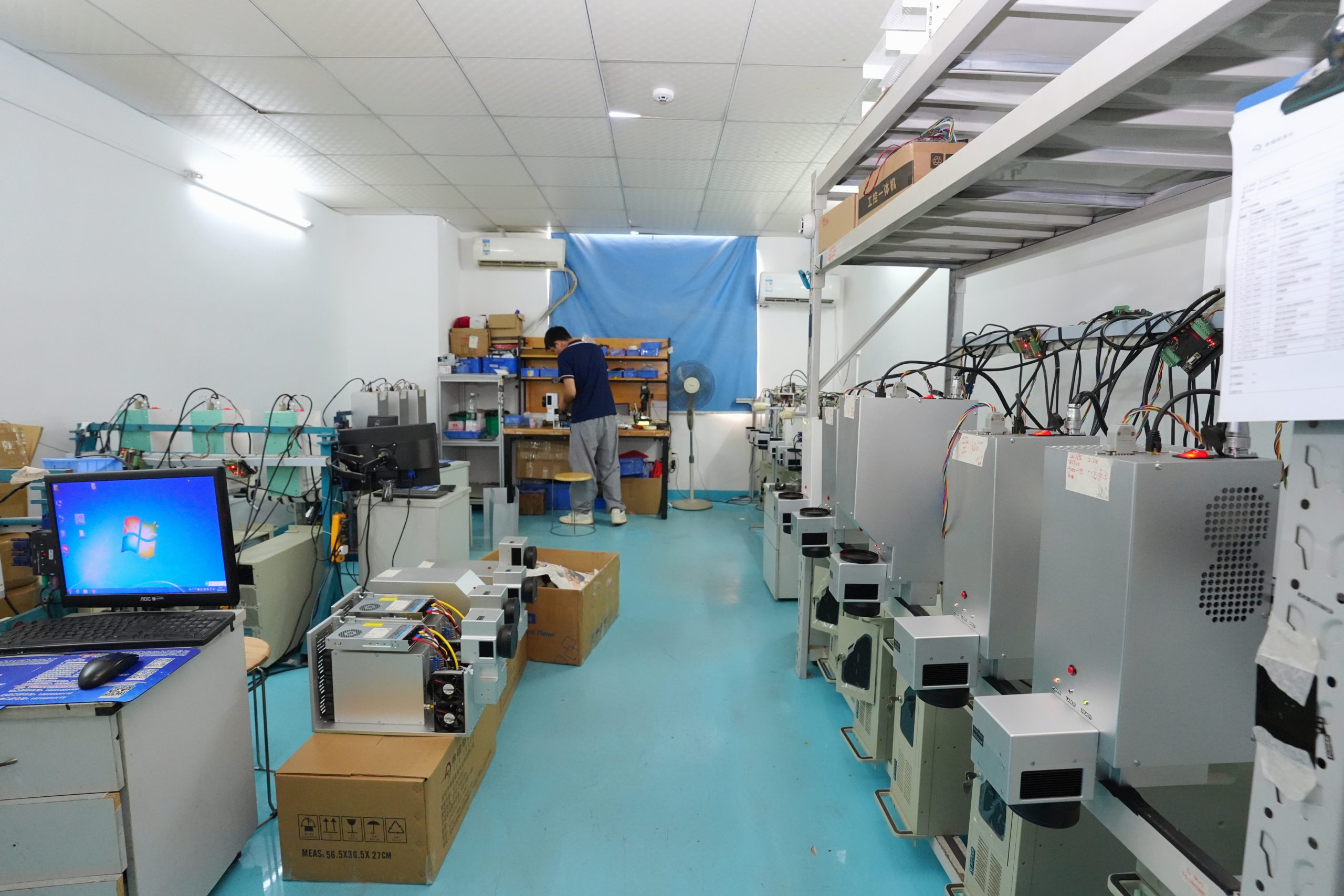
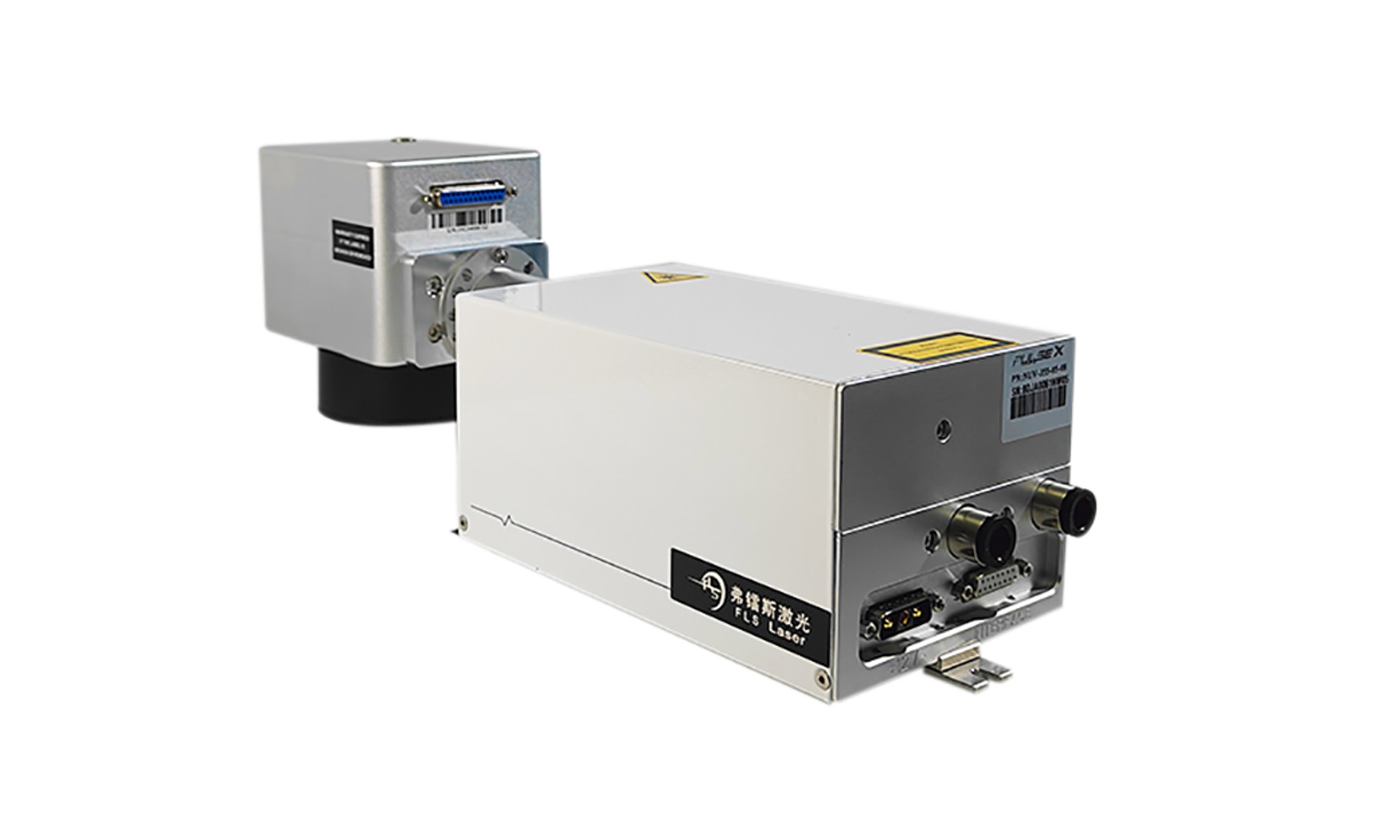
A fiber laser source runs for more than 100,000 hours, so the source is rarely the failure point. The parts that stop your line are cheaper and easier to predict. They include windows, lenses, filter cartridges, fans and power modules. In addition, keep a small kit on site and book quarterly planned maintenance. In heavy production, clean the optics weekly. Then hold the shop below 30 degrees Celsius, and change consumables before they fail. Finally, that routine is the cheapest form of laser equipment after-sales service a factory can run itself.
Safety belongs in the same routine. Follow the laser safety rules for your region, and post them at the machine.
Training, Manuals and Handover
Support quality shows up on day one. Ask for on-site or remote setup. Ask for hands-on training that covers startup, shutdown, parameter adjustment and fault clearing. Request an English manual with a parts list. Then ask about the second operator, because the engineer who learns the machine will leave one day. A supplier with a video library and follow-up training solves that problem for free.
Write It Into the Contract: An Eight-Point Checklist
Good laser equipment after-sales service is written down rather than promised on a call. Use this list as a contract annex.
- Response time and diagnosis time, with hours stated.
- Warranty duration for the machine and for the laser source.
- Named exclusions, and the conditions that keep cover valid.
- Who pays freight for replacement parts, and whether parts ship first.
- Spare-part price list and stock location.
- Training scope, language and materials.
- Software update policy and remote support access.
- Escalation path, including a named contact and a weekend number.
Frequently Asked Questions
What should laser equipment after-sales service include?
At minimum, it covers five things: first response within hours, remote diagnosis, a written warranty, spare parts with clear prices, and setup plus training.
How long is a typical laser machine warranty?
Most industrial suppliers cover the whole machine for one year and the laser source for two. Extended cover is open to talk, and the exclusion list matters more than the headline length.
Can remote support really fix a laser marking machine?
Often, yes. Software, parameter, alignment and control faults account for most tickets, and a remote session solves them quickly. Hardware failures still need parts or an engineer.
How quickly should an engineer arrive on site?
Next working day in the same region is a fair target, while overseas visits usually take two to five days including travel. Check the promise for your own city, not the average.
Next Step
So send a short service survey to each supplier. Ask about response time, warranty terms, shipping policy, spare-part prices and training scope. Then compare the answers and buy. FLS Laser has supported industrial laser systems from Shenzhen since 2011, with remote diagnostics, listed spares and operator training for customers in more than 50 countries. For the wider purchase, read our laser equipment manufacturers buying guide and our laser equipment technology guide.For a custom SLA proposal, contact our service team.