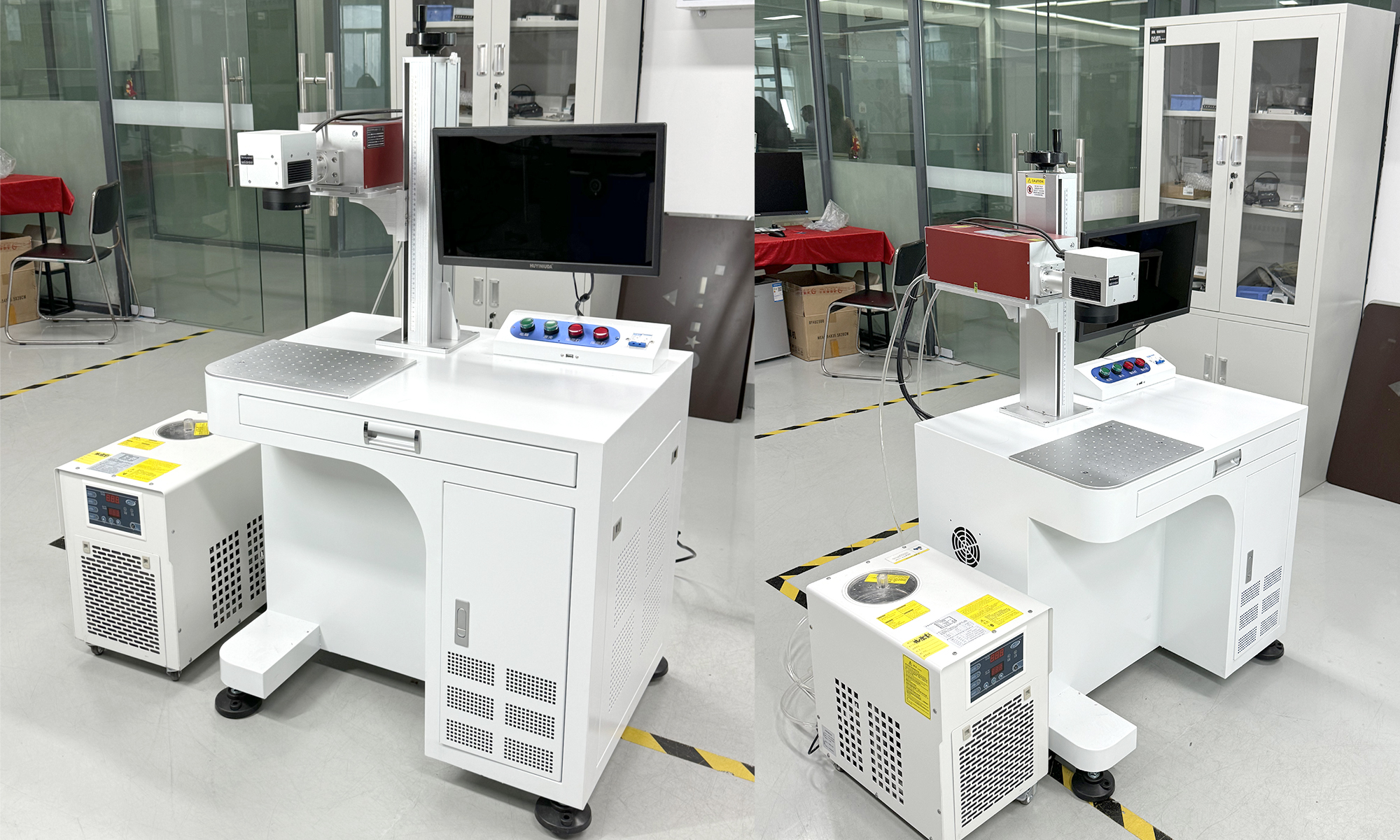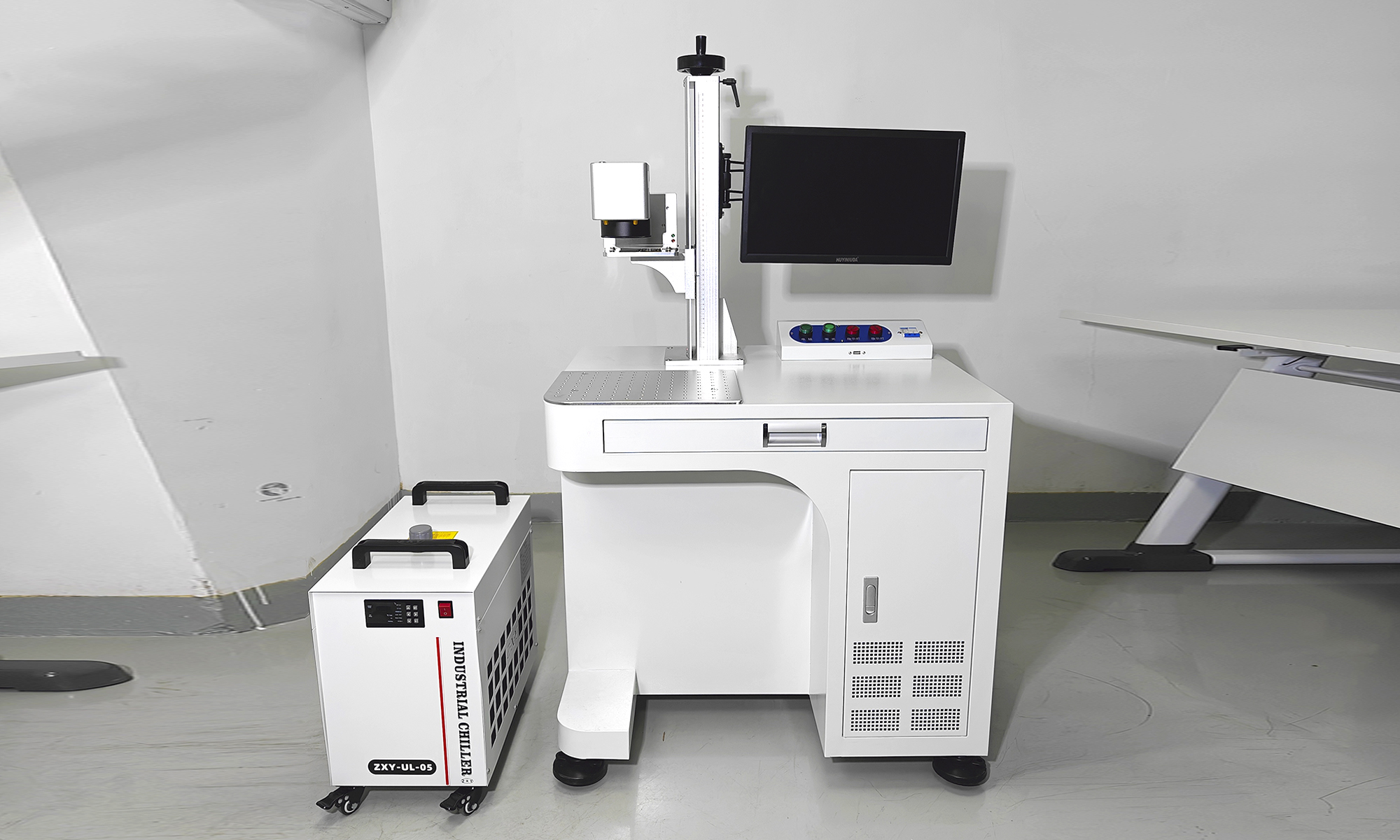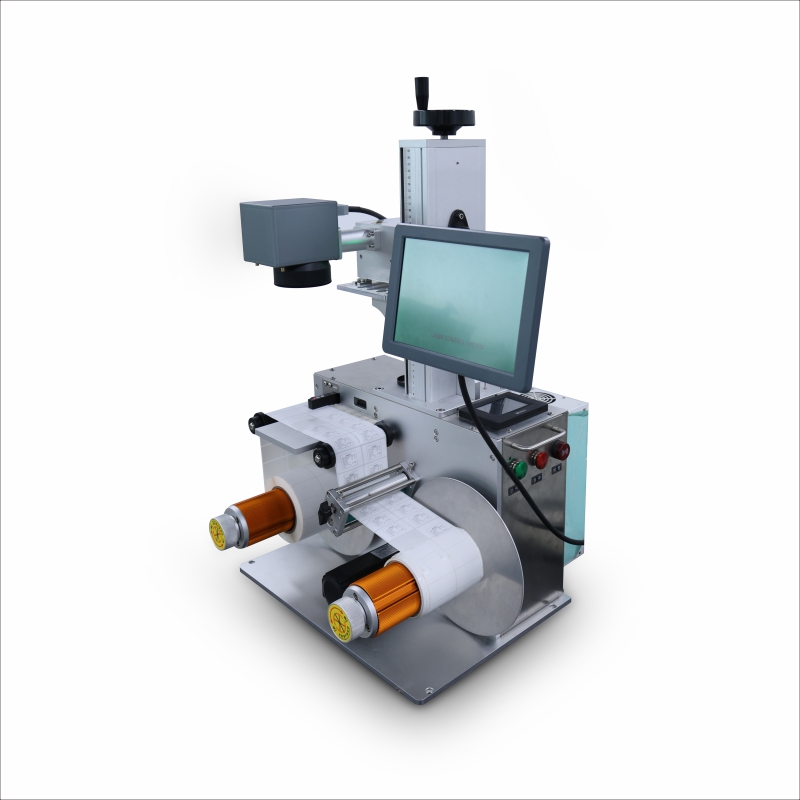
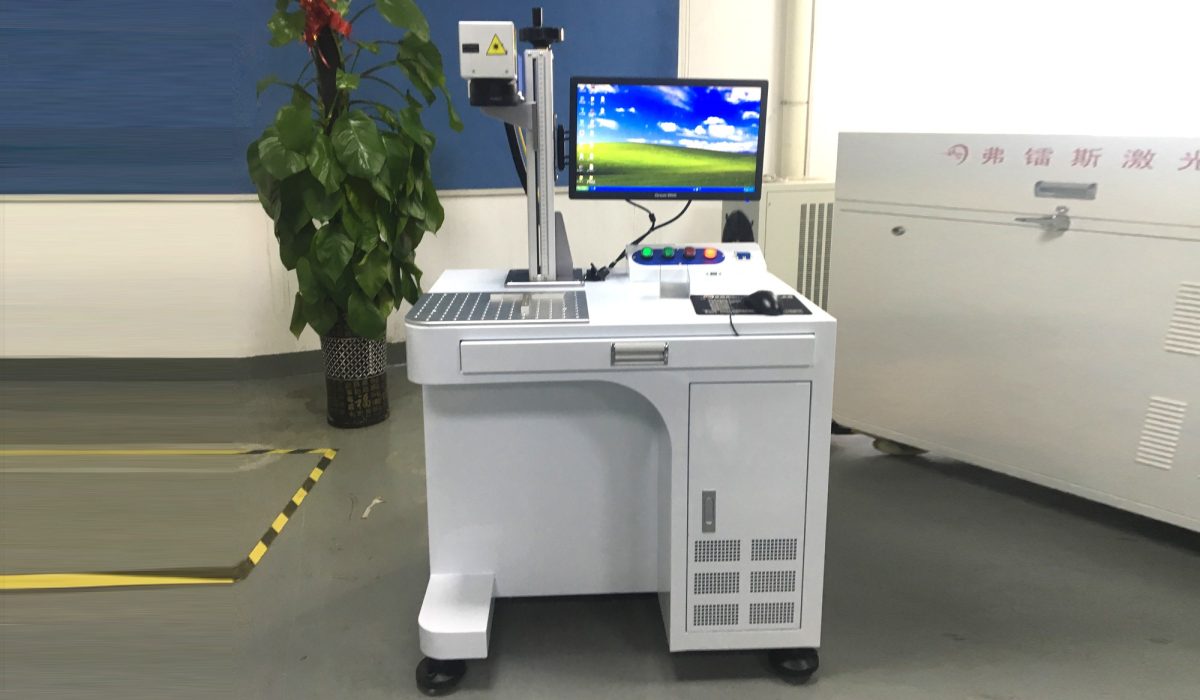
A laser marking system in medical devices is a purpose-built industrial marking station designed to create permanent, traceable, sterilization-resistant identification marks on surgical tools, implants, consumables and medical packaging. Unlike general-purpose commercial laser markers built for generic industrial use, this specialized laser marking system in medical devices must meet strict global regulatory requirements. These rules cover UDI compliance, material biocompatibility, corrosion resistance, high-temperature sterilization tolerance and full process traceability. Choosing the wrong system will not only produce poor marking quality. It can also delay your product certification, extend production validation cycles and create non-compliance risks for your entire medical product line.
This guide walks you through the complete decision-making workflow for selecting the correct laser marking system in medical devices. We cover core regulatory requirements, material matching rules, laser source type comparison, critical non-negotiable specifications, process validation considerations, and real 2026 industrial pricing guidance.
Why a Standard Laser Marker Cannot Be Used for Medical Production
Many manufacturers initially try to deploy a general-purpose fiber laser marking system in medical devices production line. They quickly run into hidden problems that never appear in ordinary industrial marking scenarios.
A standard general-purpose laser often leaves deep thermal damage on the material surface. This can create tiny gaps and cracks that trap bacteria after sterilization. On medical implants, uncontrolled heat-affected zones can alter the surface performance of titanium or stainless steel. This may affect biocompatibility and long-term safety performance.
Standard systems also usually lack the built-in data logging function that medical quality management systems require. Every mark created by a laser marking system in medical devices must be fully recorded, traceable and auditable for regulatory inspections. Generic laser markers cannot automatically link every marked 2D code to a production batch, operator ID, time stamp and process parameter record. This creates huge compliance gaps.
For any medical production facility that needs to meet FDA 21 CFR Part 11, EU MDR or ISO 13485 standards, using a non-specialized laser marking system in medical devices is not a quality issue — it is a direct regulatory risk.
Core Regulatory Requirements You Must Meet
Before you compare any hardware specifications, you must first confirm all the mandatory regulatory standards that apply to your product category. This will directly define every requirement your laser marking system in medical devices must satisfy.
UDI Unique Device Identification
All high-risk medical devices sold in major global markets must carry a permanent, machine-readable UDI mark. This mark must stay fully readable even after hundreds of autoclave sterilization cycles, chemical disinfection and long-term clinical use. No ink-based printing or mechanical marking method can meet this requirement as reliably as a dedicated laser marking system in medical devices.
Sterilization Resistance
Marks created by your laser marking system in medical devices must remain clear and non-fading after repeated exposure to autoclave high-temperature steam, ethylene oxide, hydrogen peroxide plasma and other common medical sterilization processes. The mark cannot peel, flake off or degrade into particles that could contaminate the medical environment.
Material Biocompatibility
The laser marking process must not introduce any toxic residual byproducts or uncontrolled surface changes that could violate medical material biocompatibility standards. This is especially critical for implantable devices that stay inside the human body for months or years.
Full Process Traceability
Every marking action executed by your laser marking system in medical devices must generate a complete, unalterable audit trail. This includes mark content, serial number range, operator name, machine parameter set, exact time stamp and production batch number. This data must be stored securely and available for regulatory audit at any time.
Batch Consistency
Mark contrast, position accuracy and read rate must stay 100% consistent across thousands of parts in a single production batch. Even one single unreadable 2D code can create a full product recall risk.
How to Match Laser Source Type to Your Medical Materials
Different laser source types deliver completely different marking performance on different medical materials. Choosing the wrong laser wavelength is the most common mistake when selecting a laser marking system in medical devices.
Fiber Laser Marking System
Fiber lasers are the most widely used and cost-effective option for metal medical parts.
- Best for: Stainless steel surgical tools, titanium implants, orthopedic plates and metal instrument components.
- Advantages: Creates deep, high-contrast black or annealed marks that resist thousands of autoclave cycles.
- Notes: Not ideal for thin medical plastics or transparent polymer materials. It can easily create obvious thermal damage and material melting.
UV Laser Marking System
UV cold laser systems are the best choice for delicate, heat-sensitive medical materials.
- Best for: Disposable plastic syringes, catheters, thin films, transparent vials and delicate electronic medical components.
- Advantages: Near-zero heat-affected zone, no thermal deformation, no material cracking.
- Notes: Slightly higher investment than fiber lasers, but irreplaceable for thin plastic and transparent medical parts.
CO2 Laser Marking System
CO2 lasers are mostly used for medical packaging and non-metal marking scenarios.
- Best for: Paper packaging, cardboard boxes, foam packaging and large non-metal medical device housing parts.
- Advantages: Fast marking speed on large non-metal surfaces.
- Notes: Not suitable for metal parts or fine UDI 2D codes on small precision components.
Picosecond Ultrafast Laser Marking System
Picosecond systems represent the highest performance tier for premium medical applications.
- Best for: High-end precision implants, ultra-fine parts, and materials that cannot tolerate any micro thermal influence.
- Advantages: Zero burrs, almost no surface stress change, highest possible mark quality.
- Notes: Higher price point, usually selected for top-tier high-value medical device production lines.
Before you decide any configuration, send your real medical parts to the supplier for full free marking testing. This is the only 100% reliable way to confirm the actual performance of a laser marking system in medical devices.
7 Non-Negotiable Specifications to Compare
When you evaluate different suppliers, these 7 specifications will have the largest real-world impact on your long-term production stability and regulatory compliance.
1. Mark Contrast and Read Rate
Your laser marking system in medical devices must deliver a minimum 98% first-pass read rate for Data Matrix UDI codes under standard industrial vision inspection conditions. Low-contrast marks that fail code readers will create mountains of rework and production waste.
2. Sterilization Test Report
Ask the supplier to provide real third-party test data that proves the mark remains fully readable after 100+ autoclave cycles. Any supplier that cannot provide this independent test data should not be considered for medical production use.
3. Built-In Audit Trail Function
The system must automatically log every marking operation without manual intervention. The audit log must be write-protected, timestamped and impossible to alter after creation. This is a basic requirement for ISO 13485 and FDA 21 CFR Part 11 compliance.
4. MES and Production Line Integration Capability
A modern laser marking system in medical devices should support standard industrial communication protocols. These include TCP/IP, Serial Port, OPC UA and SQL database connection. This allows the machine to connect directly to your existing medical manufacturing execution system.
5. Vision Alignment and Code Verification
Integrated machine vision automatically aligns parts and verifies every 2D code immediately after marking. This eliminates manual alignment errors and ensures no unreadable part flows to the next production station.
6. Safety and Enclosure Design
Medical production environments require strict laser safety protection. The system must come with a fully certified Class 1 safety enclosure, interlock door switches and proper fume extraction system. This keeps operators protected and maintains a clean production workshop environment.
7. Process Validation Documentation Support
A good supplier will provide standard documentation packages that help you complete IQ, OQ and PQ equipment validation. This dramatically shortens your internal medical quality system audit and equipment approval cycle.
2026 Real Industrial Price Ranges for Medical-Grade Systems
Medical-grade laser marking systems are far more specialized than general-purpose industrial markers. Their pricing reflects the extra engineering work, compliance features and long-term reliability requirements.
表格
| Configuration | Entry Medical Grade | Mid-Range Industrial Medical | High-End Compliant System |
|---|---|---|---|
| Fiber Laser Medical Marking System | 10,000–18,000 | 18,000–32,000 | 32,000–55,000+ |
| UV Laser Medical Marking System | 15,000–25,000 | 25,000–42,000 | 42,000–70,000+ |
| Picosecond Ultrafast Medical System | 30,000–50,000 | 50,000–80,000 | 80,000–120,000+ |
The biggest hidden cost of buying a low-cost non-medical grade system is not the machine price. It is the months of delayed product certification, failed regulatory audits, unexpected scrap and full production downtime that can easily cost you 10 times the price difference.
A properly selected medical-grade laser marking system in medical devices usually delivers full return on investment within 18 to 30 months. The savings from reduced rework, zero recall risk and eliminated ink consumables add up very quickly.
6-Step Final Selection Workflow
Follow this structured workflow to make sure you select the right laser marking system in medical devices without missing any critical compliance details.
- List all your medical product categories and materials — this immediately tells you if fiber, UV or picosecond laser is the correct laser source.
- Map all applicable regulatory standards — confirm FDA, EU MDR, ISO 13485 or local regional requirements that apply to your products.
- Run full free sample marking test — send your actual medical parts to the supplier, then complete real sterilization simulation test on the marked samples.
- Review the supplier’s existing medical customer references — confirm they already have proven deployment experience in medical device manufacturing facilities.
- Check audit trail, data logging and MES integration functions — verify these features actually work, not just listed as marketing spec points.
- Confirm process validation documentation and after-sales support — make sure the supplier can provide the documents you need for IQ, OQ and PQ validation.
If you are not sure which configuration matches your specific medical products and regulatory requirements, send us your sample part. Our medical laser engineering team will run a full free marking test and provide you with a detailed performance report.
Why Choose Shenzhen FLS Laser for Medical Laser Marking
Shenzhen FLS Laser has more than 12 years of experience building industrial laser marking systems for global medical device manufacturers.
- All medical-grade laser marking systems are built specifically for regulated medical production environments.
- Marking samples pass 100+ autoclave sterilization tests and maintain full code readability.
- Built-in unalterable audit trail and production data logging, fully compatible with ISO 13485 and FDA 21 CFR Part 11 requirements.
- Full Class 1 laser safety enclosure, integrated fume extraction and industrial vision verification options available.
- Standard IQ/OQ/PQ documentation support package included, to shorten your equipment validation cycle.
- 2-year full machine warranty, lifetime technical support and long-term software updates.
- Free medical sample marking test service: send us your parts, we mark them and send you back full test report and video.
- Custom integration available for automatic conveyor lines, rotary tables and MES system connection.
Frequently Asked Questions
Q: Can laser marks on medical implants survive repeated autoclave cycles?
A: Yes. Properly optimized fiber laser annealed marks on titanium and stainless steel can easily survive hundreds of autoclave cycles without losing contrast or readability.
Q: Can I use a standard commercial laser marker for medical production?
A: Not recommended. Most general-purpose systems cannot provide the required audit trail, process validation documentation and medical-grade stability. This will create serious compliance risks.
Q: How long does the medical equipment validation process take?
A: With a fully prepared documentation package from a professional supplier, most customers can complete full IQ, OQ and PQ validation within 2 to 4 weeks.
Q: Can the system automatically verify every UDI 2D code after marking?
A: Yes. Integrated vision modules can automatically inspect every single mark immediately after the laser finishes marking, rejecting any unreadable parts before they move forward.
Q: Is laser marking safe for implantable medical devices?
A: Yes. Properly optimized laser parameters create no harmful residual byproducts and will not alter the bulk material biocompatibility performance.
Ready to select a compliant, stable laser marking system in medical devices for your production line? Contact Shenzhen FLS Laser today for a free medical sample marking test and custom configuration recommendation.
Related Articles:UV Laser Marking Machine: 2026 Complete Buyer Guide