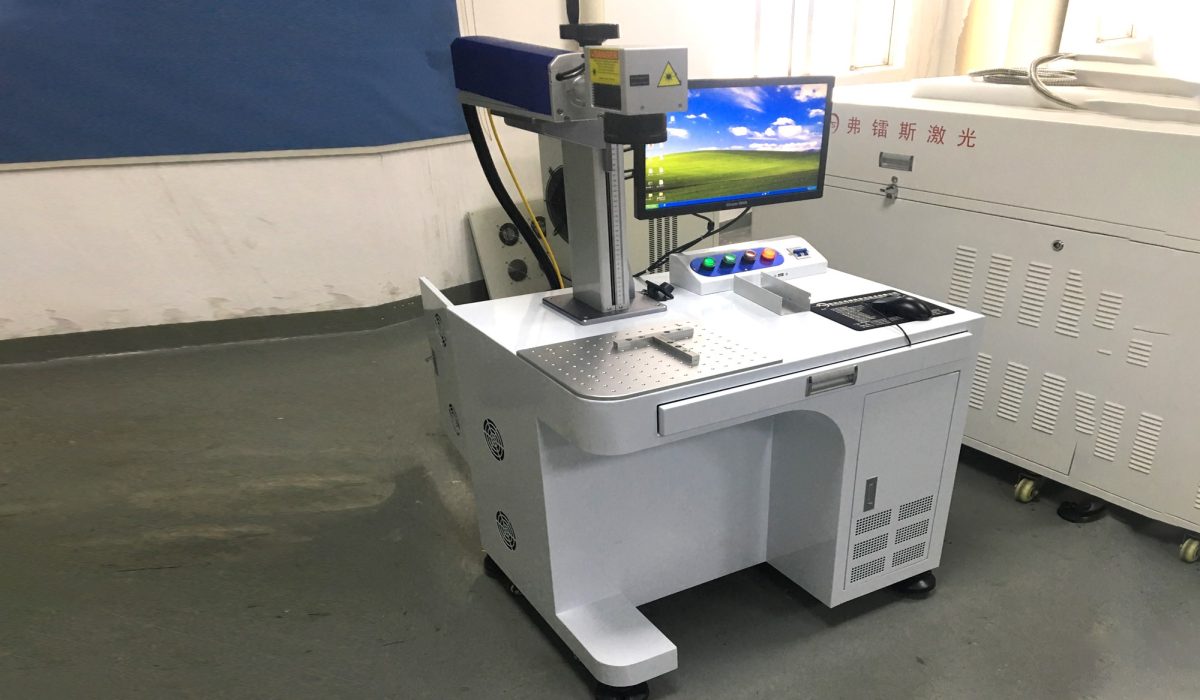
Fiber laser marking titanium is one of the most frequently searched questions among industrial buyers looking for reliable laser marking solutions in 2026. Whether you are setting up a new production line, replacing an old dot peen marker, or comparing laser technologies for a specific application, this guide covers everything you need to know — from working principle and technical parameters to real-world applications, pricing ranges, and practical buying advice.
In this article, we break down fiber laser marking titanium in plain language, with practical data points based on FLS Laser’s 10+ years of experience supplying industrial laser marking systems to automotive, medical, electronics, and hardware manufacturers worldwide.
Understanding fiber laser marking titanium
Fiber laser marking titanium refers to a specific configuration or application scenario within industrial laser marking technology that addresses a well-defined user need. Before diving into specifications, it’s important to clarify what problem you are trying to solve:
- What materials are you marking? — Metal, plastic, glass, wood, or other materials directly determines laser wavelength.
- What mark do you need? — Black anneal, deep engraving, color marking, foaming, or surface removal all require different parameters and laser types.
- What is your production volume? — Low-volume job shops have different requirements than 24/7 high-speed production lines.
- What is your budget? — Including not just machine price but also installation, training, consumables, and after-sales service.
Key Selection Factors
When evaluating options for fiber laser marking titanium, pay particular attention to the following factors that most buyers overlook until it is too late:
- Laser source brand and quality: The source is the heart of the machine. Reputable brands include Raycus, MAX, JPT, IPG, and Coherent. Cheaper no-name sources often degrade significantly within 1–2 years.
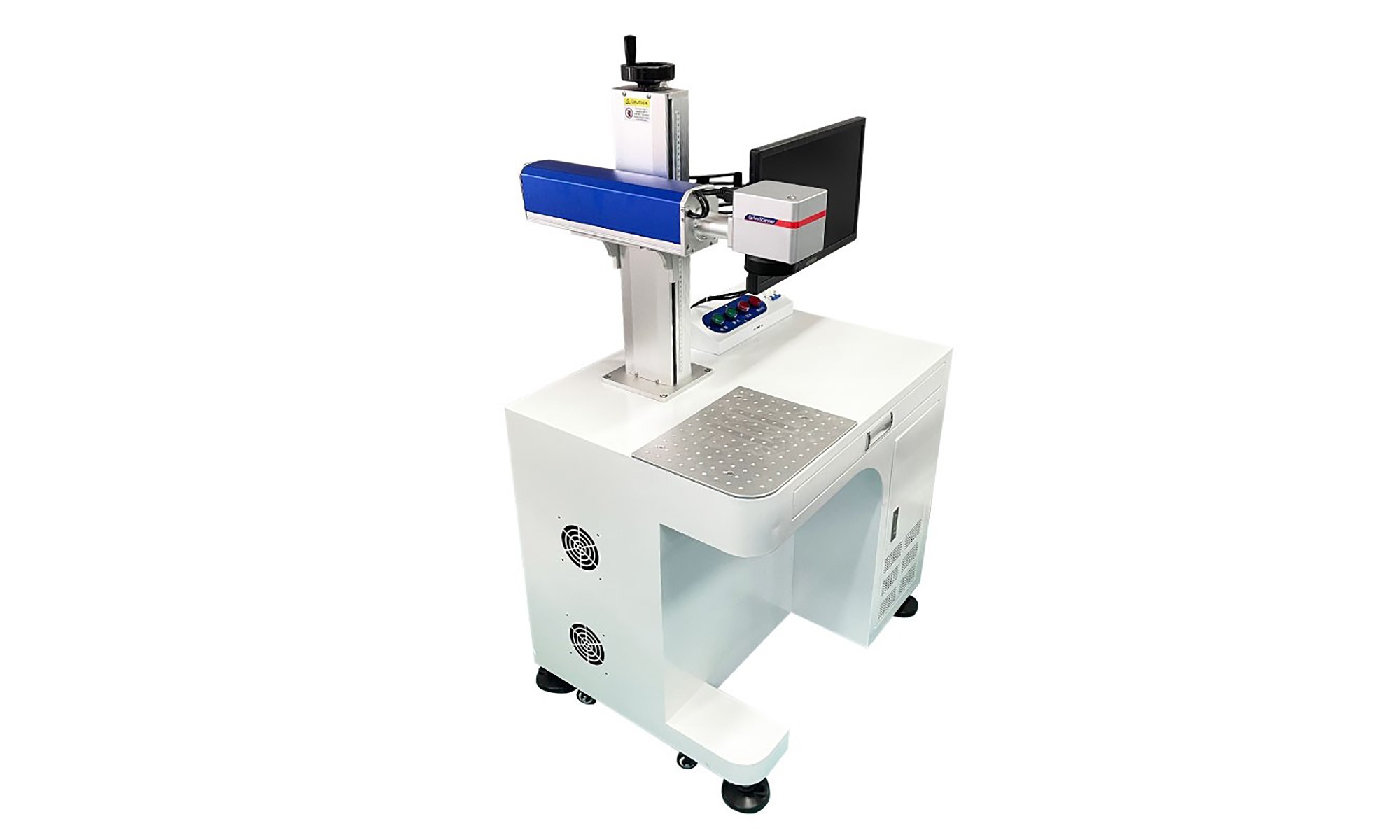
- Galvanometer scanner: Scan speed and accuracy are largely determined by the galvo. For high-precision applications, look for digital galvos rather than analog models.
- F-theta lens: Lens size determines your marking field; larger fields require longer focal lengths but produce slightly larger spot sizes.
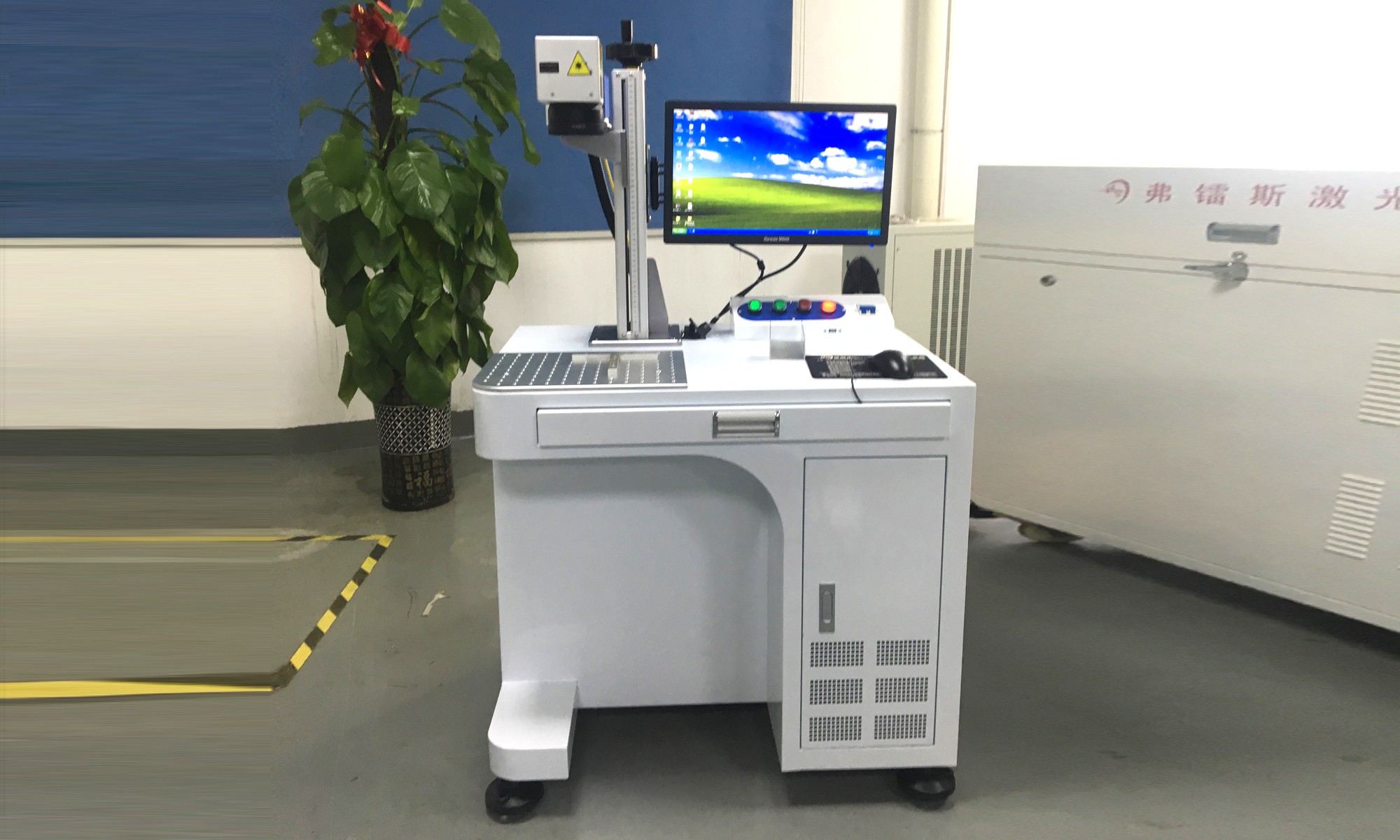
- Control software: EZCAD is the industry standard in 2026; EZCAD3 offers more advanced features for 3D and flying marking. Avoid proprietary software that locks you into one supplier.
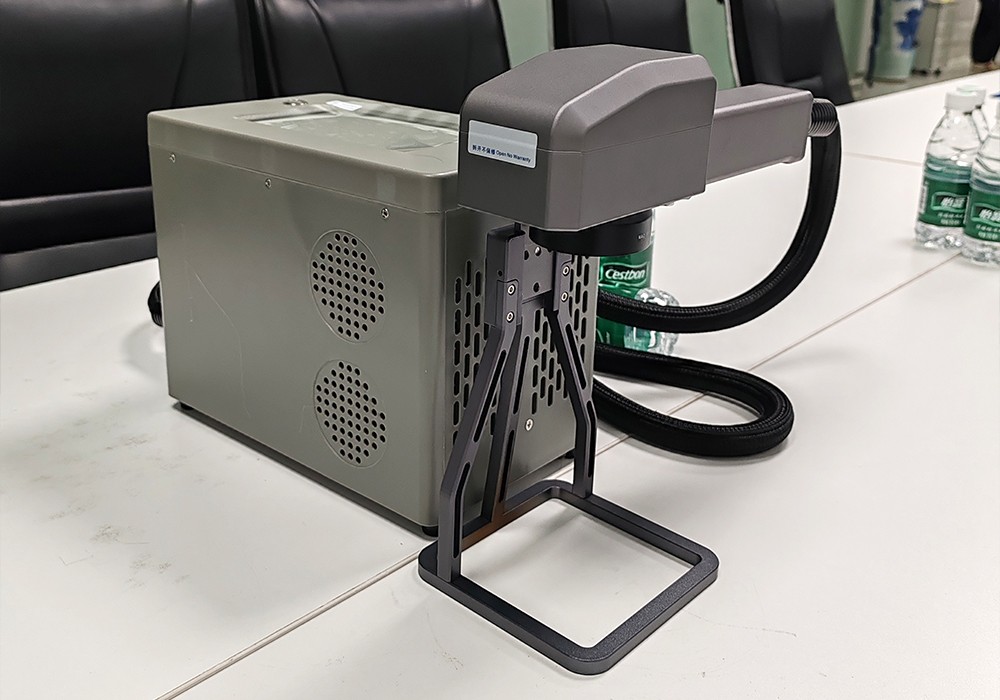
- Cooling system: Low-power fiber lasers can use air cooling; 50W+ typically requires a water chiller for stable performance.
- After-sales support: Look for suppliers who offer remote troubleshooting, spare parts availability, and on-site installation/training.
Frequently Asked Questions (FAQ)
Q: Can fiber laser marking titanium mark on [specific material]?
A: The answer depends on the laser wavelength and material absorption. Fiber lasers (1064nm) mark most metals and many engineered plastics well. UV lasers (355nm) are best for glass, PCBs, and heat-sensitive plastics. CO₂ lasers (10.6μm) mark wood, leather, paper, acrylic, and some plastics. If unsure, always request sample testing.
Q: How long does a fiber laser source last?
A: Reputable fiber laser sources are rated for 100,000 hours of mean time between failures (MTBF), which translates to over 10 years of normal single-shift industrial use before significant power degradation occurs.
Q: Do I need a Class 1 or Class 4 laser system?
A: For production environments with operators nearby, a Class 1 fully enclosed system is strongly recommended for safety. Open Class 4 systems are suitable only for trained personnel in controlled environments with proper laser safety eyewear.
Conclusion
Fiber laser marking titanium is an important topic for industrial manufacturers evaluating laser marking solutions in 2026. The key takeaway is to start from your actual application requirements rather than chasing specifications or the lowest price. A well-chosen laser marking system will pay for itself quickly through improved productivity, reduced consumable costs, and permanent, high-quality marks.
If you have specific questions about your application or would like to request free sample marking using your actual parts, please contact us — our applications engineers are happy to help you determine the right configuration.
Related Guides
Continue reading about laser marking solutions:
fiber laser marking machine · UV laser marking machine · CO₂ laser marking machine · contact us
Need Help with Your Application?
FLS Laser engineers provide free sample marking and application consulting. Send us your parts and we will recommend the right configuration.
Request a Free Quote or Sample Marking →
Signature:FLS – Laser Applications Engineer