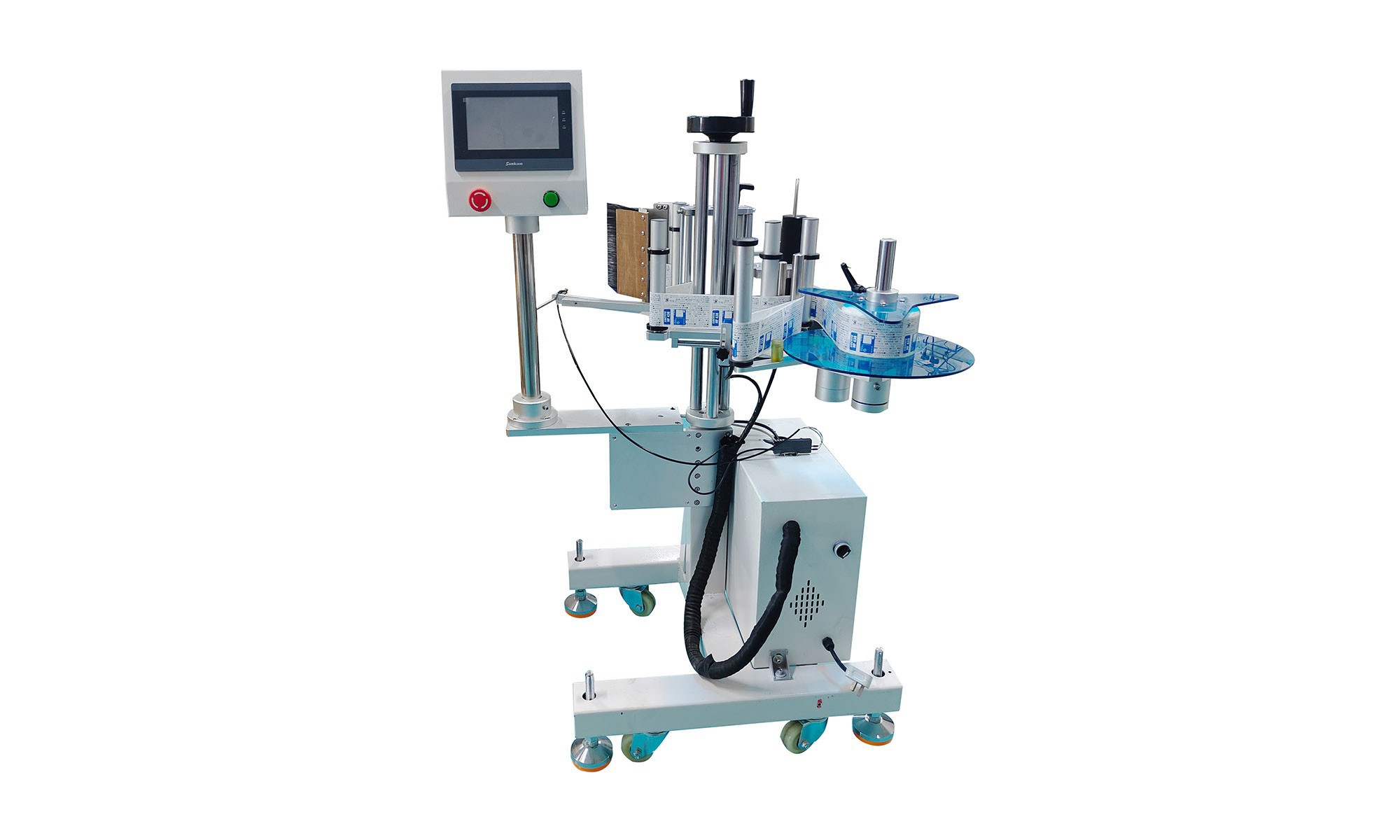
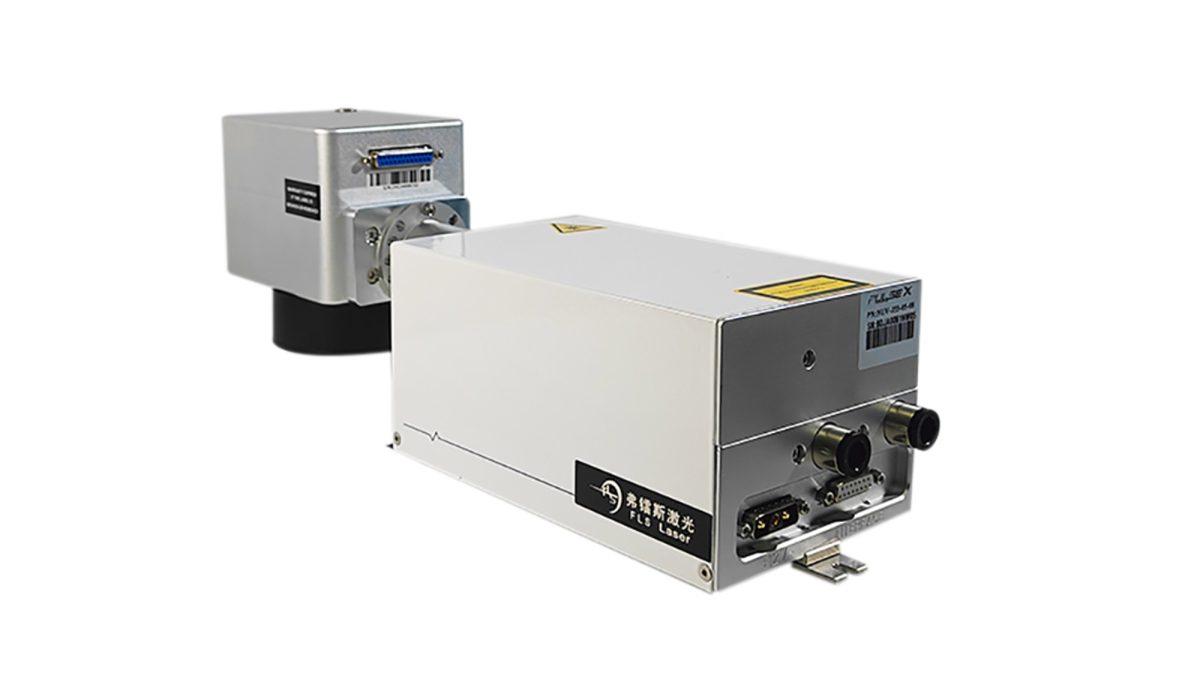
When you buy industrial equipment, the purchase price is paid once, but the laser marking machine for metal service you receive determines the next five to ten years of your production. A machine that stops for three days costs far more than the difference between two suppliers. This guide explains exactly what professional after-sales service for a laser marking machine for metal should include, the response times you should demand, and how to evaluate a supplier before you commit.
Why After-Sales Is the Real Differentiator in Metal Laser Marking
Every supplier claims “24/7 support” and “2-year warranty.” Very few publish what happens when a galvo scanner fails on a Friday night. For a laser marking machine for metal, downtime means stopped production lines, missed deliveries and lost contracts. The quality of your after-sales partner is therefore not a soft benefit — it is a core production asset.
What Professional Laser Marking Machine for Metal Service Should Include
A complete service package covers the full life cycle:
- Pre-sales engineering — material sample testing and configuration advice.
- Installation and commissioning — on-site or guided remote setup.
- Operator training — software (EZCAD/LightBurn), parameter tuning and safety.
- Remote diagnostics — screen-share and video troubleshooting within hours.
- On-site engineer visits — for hardware faults beyond remote repair.
- Spare parts supply — lenses, galvo heads, control cards, cables, red-dot pointers.
- Warranty coverage — defined scope for laser source, galvo, control card and optics.
- Preventive maintenance — scheduled checks that prevent unplanned stops.
- Software updates — firmware and parameter libraries over time.
- Consumables guidance — zero-consumable fiber machines need only lens cleaning.
Together, these define the true quality of laser marking machine for metal service.
Response Time Benchmarks You Should Demand
Vague promises are worthless. Insist on written targets:
| Service Channel | Industry Standard | Good Supplier Target |
|---|---|---|
| First response (remote) | Within 24 h | Within 1–4 h |
| Diagnosis & solution | 1–3 days | Same working day |
| Remote session | On request | Within 24 h, live |
| On-site engineer (overseas) | 5–15 days | 3–7 days with travel plan |
| Spare part dispatch | 7–15 days | Within 48–72 h |
| Warranty claim approval | Weeks of back-and-forth | Verified by video, approved fast |
A supplier that meets the “Good” column protects your uptime; one stuck in the “Standard” column will cost you production every month.
Warranty Structures Explained
Warranty wording varies widely. Typical industrial terms for a laser marking machine for metal:
- Laser source — 2 years (some offer 3 years or a 100,000-hour life reference).
- Galvo scanner, control card, field lens — 1–2 years.
- Mechanical parts and enclosure — 1–2 years.
- Consumables (if any) — excluded.
Watch for exclusions: water damage, misuse, unauthorized modifications and non-original parts often void coverage. The strongest warranties include free replacement parts and clearly stated technician support.
Spare Parts and Why Local Stock Matters
The single biggest cause of extended downtime is waiting for parts, not repairing them. When evaluating the laser marking machine for metal service behind a supplier, ask:
- Which parts are stocked locally or regionally?
- What is the dispatch lead time for a galvo head or control card?
- Are alternative brands (Raycus, MAX, JPT, Sino-Galvo) available if OEM parts are slow?
- Is a spare-parts kit included with the machine?
A supplier with regional spare-parts stock can restore a machine in days; one shipping everything from a single factory will always be slower.
Remote Service: The First Line of Defense
Modern laser marking machines support remote access, and this changes everything. A skilled engineer can inspect parameters, reflash firmware, recalibrate focus offsets and even trace electrical faults remotely — often resolving issues without a site visit.
Prioritize suppliers offering:
- Video-call commissioning during installation.
- Screen-share diagnostics for software and parameter issues.
- Remote access tools for machine logs.
- A named service contact, not a generic inbox.
Strong remote capability is what separates fast laser marking machine for metal service from slow, expensive service.
On-Site Service: When a Visit Is Unavoidable
For hardware failures — galvo replacement, laser source faults, laser module issues — an on-site engineer is required. Before you sign, confirm:
- Whether travel, visa and accommodation costs are included or billed.
- The typical arrival window for your region.
- Whether the engineer performs preventive maintenance during the visit.
For buyers in Southeast Asia, the Middle East, Eastern Europe and Latin America, establishing the on-site protocol up front prevents surprises later.
Preventive Maintenance: The Cheapest Service You Will Ever Buy
A minimal preventive schedule dramatically extends the life of a laser marking machine for metal:
- Daily — clean the lens surface and check red-dot alignment.
- Weekly — inspect cables and connectors; verify cooling (if water-cooled).
- Monthly — check galvo calibration and focus consistency.
- Quarterly — inspect the laser source and control cabinet; update parameters.
- Annually — full optical alignment and system health report.
Suppliers that provide a documented maintenance plan are effectively reducing your total cost of ownership.
Common Issues a Good Supplier Should Fix Fast
- No laser output → power supply, interlock or source fault.
- Weak or fading marks → focus, contaminated lens or parameter drift.
- Galvo errors / distortion → scanner calibration or hardware replacement.
- Software or dongle failure → license recovery and reflash.
- Rotary axis not indexing → driver or firmware issue.
Each of these should be diagnosable through remote laser marking machine for metal service within a working day.
8 Questions to Vet a Supplier’s After-Sales Capability
- What is your first-response time, in writing?
- Do you offer remote video diagnostics?
- What is your on-site arrival window for my country?
- Which spare parts do you stock regionally?
- What exactly does the warranty cover, and what voids it?
- Can you provide references from buyers in my region?
- Is operator training included, and in what format?
- Do you provide a written preventive maintenance plan?
Frequently Asked Questions
What does after-sales service for a laser marking machine for metal include?Installation guidance, training, remote diagnostics, on-site repair, spare parts, warranty coverage, preventive maintenance and software updates.
How fast should a supplier respond?Good suppliers respond to technical requests within 1–4 hours and complete remote diagnosis the same working day.
Is a 2-year warranty enough?For most buyers, yes — provided the laser source, galvo and control card are covered and spare parts are readily available.
Do fiber laser marking machines need consumables?No. Fiber laser marking machines for metal are essentially maintenance-free; only periodic lens cleaning and calibration are required.
How do I avoid long downtime?Choose a supplier with regional spare-parts stock, remote diagnostics and a written response-time commitment.
Conclusion
The laser marking machine for metal service you receive is what protects your investment long after the invoice is paid. Demand written response times, verify spare-parts availability, and choose a supplier with genuine remote and on-site capability. Uptime is the metric that matters — and great after-sales is how you keep it.
👉 Want to see our real laser marking machine for metal service commitment? Ask us for our response-time policy, warranty terms and regional spare-parts list.