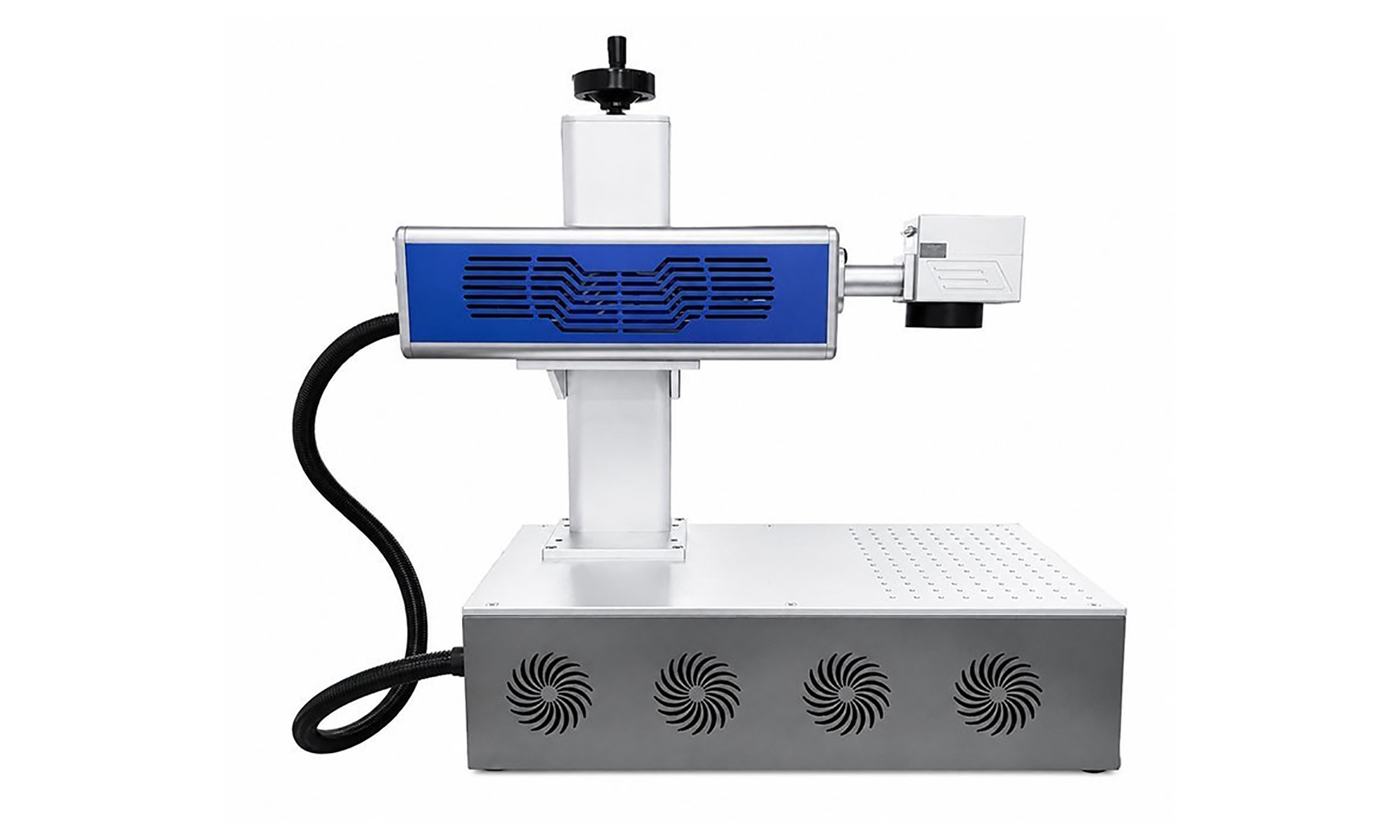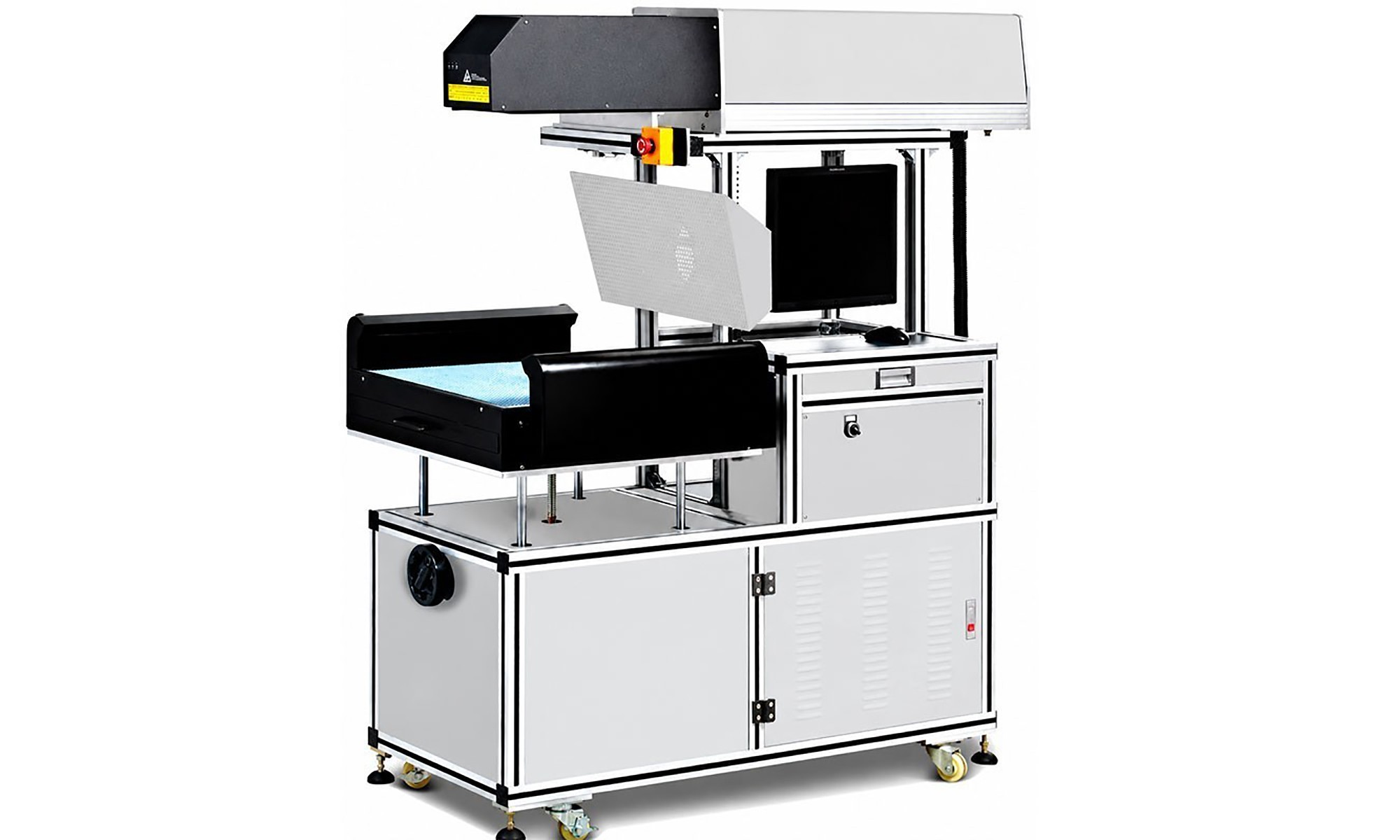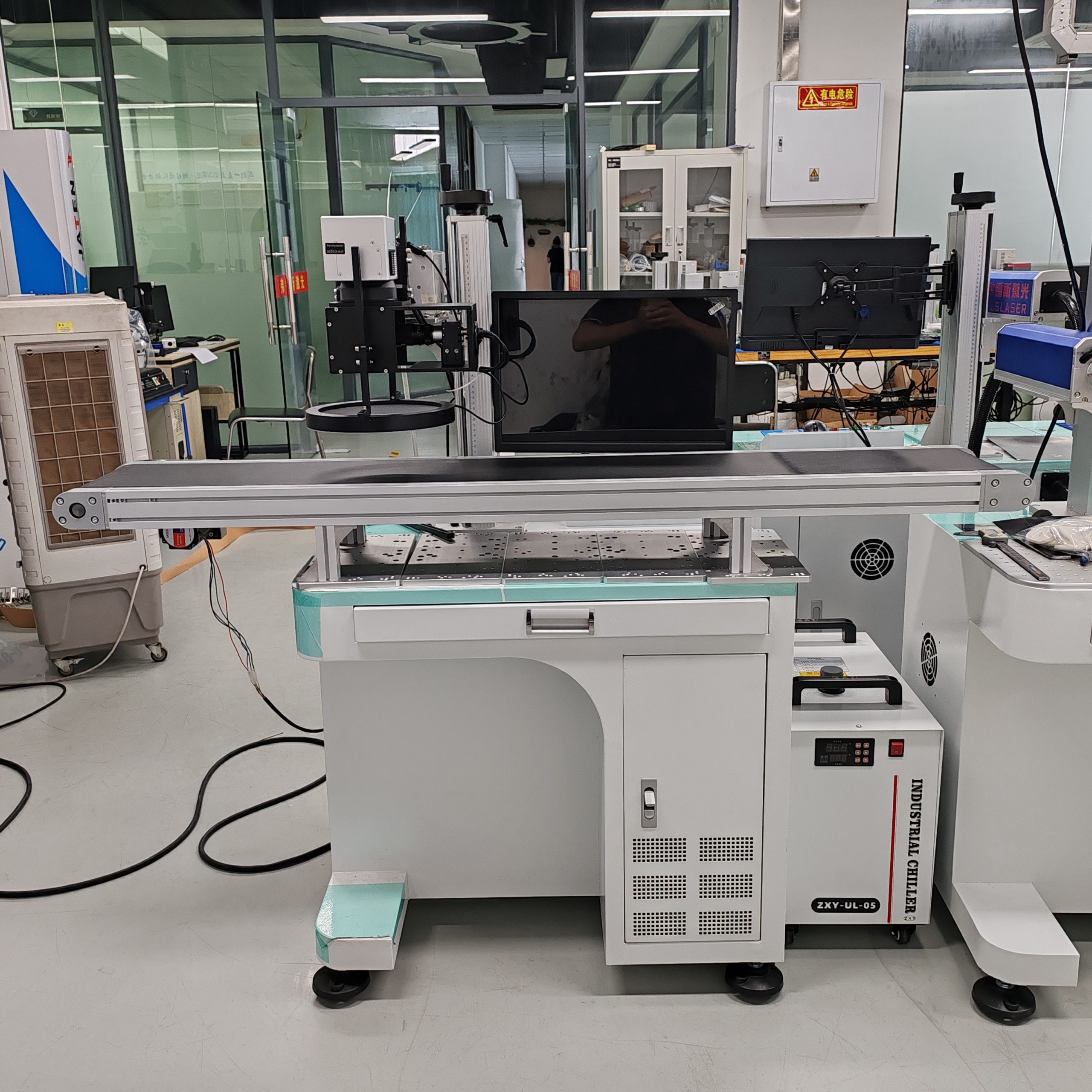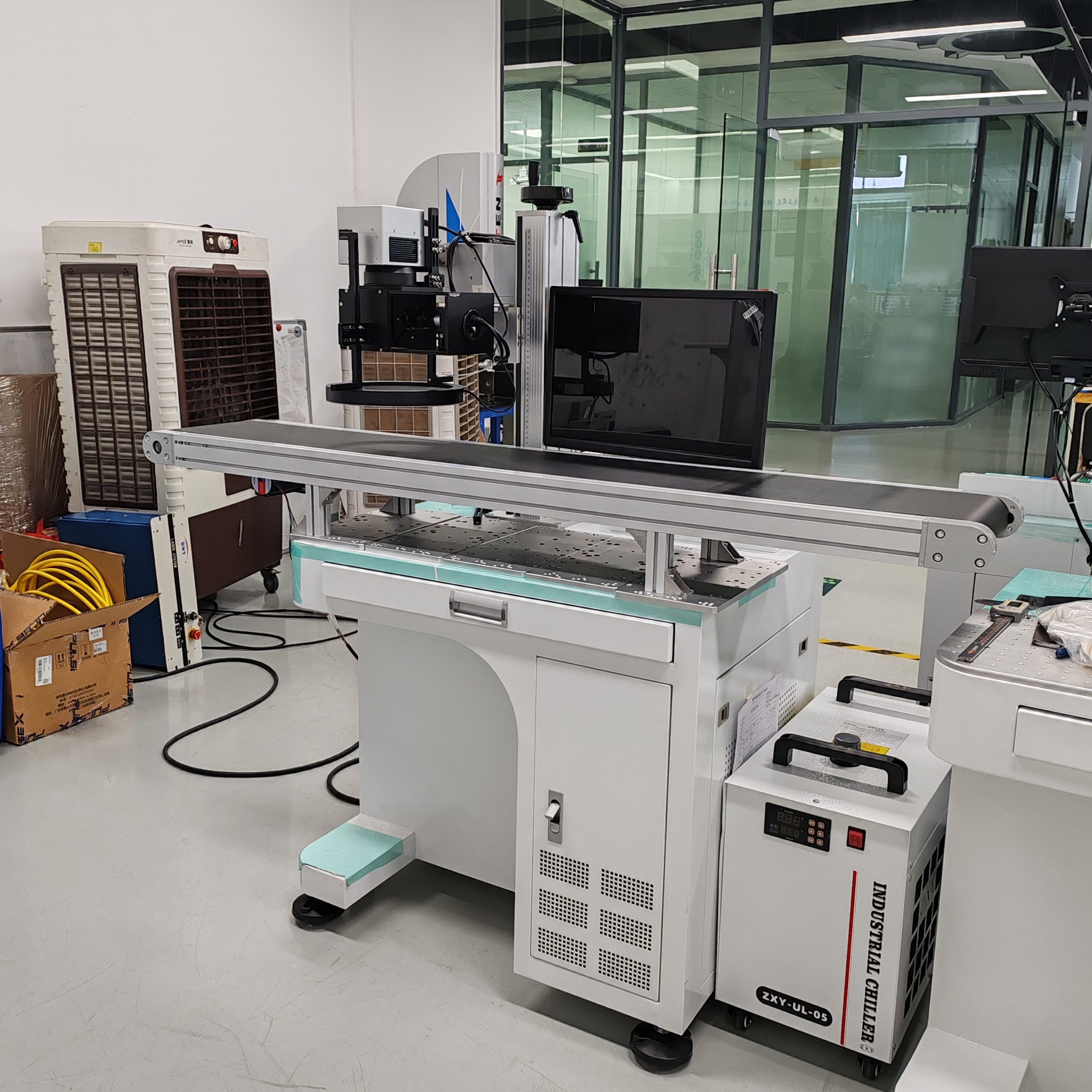
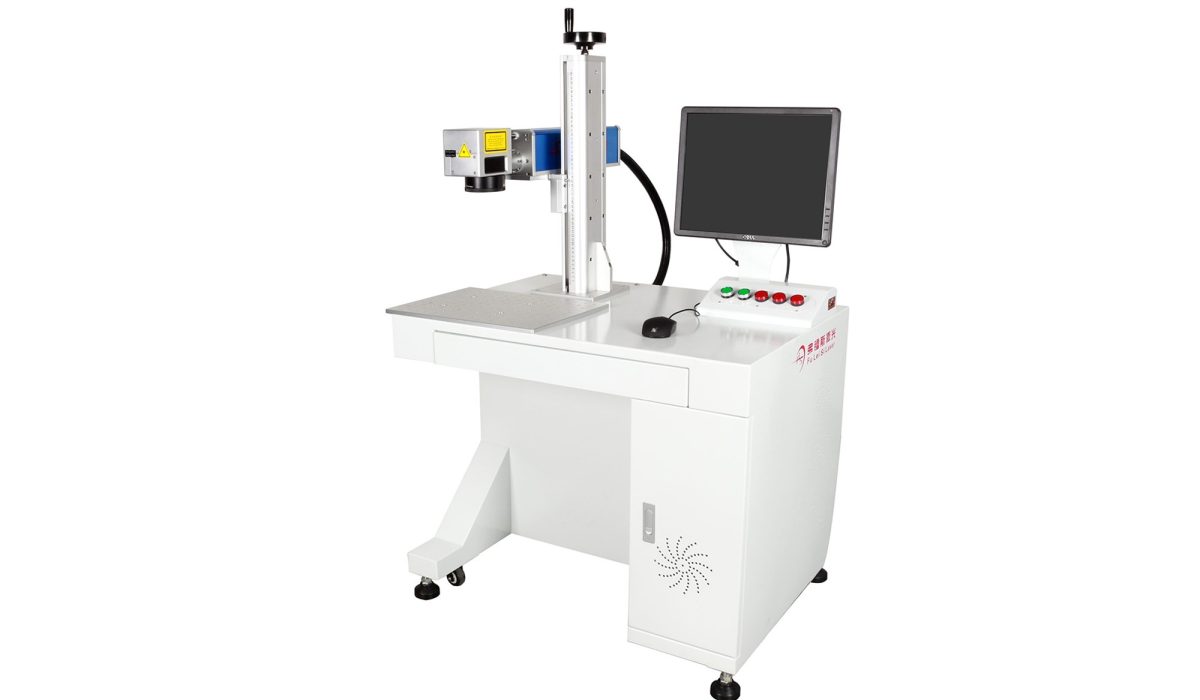
The global CO2 laser marking machine market is entering a period of sustained growth driven by industrial automation, traceability regulations, packaging innovation, and the rise of personalized manufacturing. As we move through 2026, understanding the market’s size, key players, regional dynamics, and emerging trends is critical for manufacturers, investors, and businesses planning their equipment investments.
This 2026 market report provides a comprehensive overview of the CO2 laser marking machine industry, including market size projections, growth drivers, regional breakdowns, competitive landscape, and the trends shaping the next five years. Whether you’re a buyer evaluating suppliers or an industry analyst tracking the market, this report gives you the data and context to make informed decisions.
Global CO2 Laser Marking Machine Market Size and Growth
The global CO2 laser marking machine market was valued at approximately USD 2.1–2.4 billion in 2025 and is projected to reach USD 3.2–3.6 billion by 2030, growing at a compound annual growth rate (CAGR) of roughly 7%–9% during the forecast period.
Several factors are fueling this expansion:
- Increasing demand for product traceability and anti-counterfeiting solutions in food, pharmaceutical, and electronics industries
- Growth of the packaging industry, especially in emerging economies
- Rising adoption of industrial automation and smart manufacturing (Industry 4.0)
- Expanding applications in personalized gifts, crafts, and small business entrepreneurship
- Technological advancements making CO2 systems more affordable, compact, and user-friendly
While fiber laser systems are growing faster overall (driven by metal marking demand), the CO2 laser marking machine market continues to expand steadily due to its dominance in non-metallic marking — a category that includes the massive global packaging and woodworking industries.
Key Market Drivers
1. Mandatory Product Traceability and Regulatory Compliance
Governments worldwide are tightening traceability requirements across industries. The U.S. FDA’s Unique Device Identification (UDI) mandate for medical devices, the EU’s Anti-Counterfeiting Directive, and China’s food safety traceability laws all require permanent, scannable markings on products and packaging. The CO2 laser marking machine is a preferred solution for these applications because it produces permanent, high-contrast marks on packaging materials without consumable inks or solvents.
2. Packaging Industry Growth
The global packaging market, valued at over USD 1 trillion, is the single largest consumer of CO2 laser marking equipment. E-commerce growth, private-label brands, and demand for sustainable packaging are all driving increased investment in on-package marking technology. CO2 lasers are ideal for high-speed production lines marking batch codes, expiration dates, and QR codes on cardboard, plastic films, and glass containers.
3. Industry 4.0 and Smart Manufacturing
The rise of smart factories and connected production lines is boosting demand for laser marking systems with advanced software integration. Modern CO2 laser marking machines support industrial Ethernet, SCADA integration, MES connectivity, and cloud-based monitoring — all essential features for Industry 4.0 environments.
4. Personalization and Small Business Boom
The global market for personalized and custom products is exploding, fueled by platforms like Etsy, Shopify, and Amazon Custom. A CO2 laser marking machine is the tool of choice for many small businesses and makers because it can personalize a vast range of products — from tumblers and phone cases to wooden gifts and leather goods — with minimal setup cost.
5. Technological Advancements
Improvements in laser tube technology (especially RF-excited metal tubes with longer lifespans), digital galvo scanners, and user-friendly software are expanding the addressable market. Desktop and portable CO2 laser marking machines have become affordable enough for small workshops and even individual entrepreneurs, dramatically broadening the customer base.
Market Segmentation
The CO2 laser marking machine market can be segmented by power rating, end-use industry, technology type, and geography.
By Power Rating
- Low power (10W–30W): The largest segment by volume. Used for fine marking, electronics, and high-speed packaging lines.
- Medium power (40W–60W): Fastest-growing segment. Versatile for engraving, signage, woodworking, and general industrial use.
- High power (80W–100W+): Used for deep engraving, cutting, and heavy industrial applications.
By End-Use Industry
- Packaging & FMCG: The largest end-user segment, accounting for roughly 30%–35% of total market revenue
- Electronics & Semiconductor: Growing demand for PCB marking and component traceability
- Medical Devices & Pharmaceuticals: Driven by UDI and serialization mandates
- Automotive & Aerospace: Marking plastic components, hoses, gaskets, and interior parts
- Woodworking & Furniture: Steady growth in custom furniture and architectural woodwork
- Textile & Apparel: Growing adoption for pattern marking and label-free branding
- Personalization & Crafts: The fastest-growing segment by volume, driven by small businesses
By Technology Type
- Galvo-based (scanning) CO2 laser marking machines: Dominant for industrial marking applications due to high speed
- XY plotter / gantry systems: Used primarily for larger format engraving and cutting
- Portable / handheld CO2 markers: Growing segment for on-site and large-workpiece applications
Regional Market Analysis
Asia-Pacific: The Largest and Fastest-Growing Region
Asia-Pacific dominates the global CO2 laser marking machine market, accounting for approximately 40%–45% of total revenue. China is both the world’s largest manufacturer and largest consumer of CO2 laser marking equipment.
Key factors driving APAC growth:
- China’s massive manufacturing base in electronics, packaging, and consumer goods
- Rapid industrialization in India, Vietnam, Thailand, and Indonesia
- Strong government support for advanced manufacturing and “Made in China 2025”
- Growing domestic consumption driving packaging demand
Chinese manufacturers like FLS Laser lead the global market in production volume and price competitiveness, with increasing focus on quality, after-sales service, and international brand building.
North America: Mature Market with Steady Demand
North America holds approximately 20%–25% of the global CO2 laser marking machine market. The United States is the largest national market, driven by:
- Strong medical device and pharmaceutical industries with strict traceability requirements
- Advanced automotive and aerospace manufacturing
- A vibrant small business and maker community
- High labor costs that justify automation investments
The North American market tends to favor higher-quality, RF-excited CO2 systems from premium brands, with a strong emphasis on safety certifications (FDA, CDRH) and local service support.
Europe: Stringent Regulations Drive Premium Segment
Europe represents about 15%–20% of the market. Key characteristics:
- Strict CE marking and laser safety regulations (EN 60825)
- Strong automotive, medical device, and food & beverage industries
- Growing demand for sustainable packaging solutions
- High adoption of automation in manufacturing
European buyers prioritize reliability, safety, and environmental compliance, creating strong demand for premium CO2 laser marking machine models from both European and international manufacturers.
Latin America, Middle East & Africa: Emerging Opportunities
While currently smaller (combined ~10%–15%), these regions offer significant growth potential. Rising manufacturing investment in Mexico, Brazil, UAE, and South Africa is driving increased adoption of laser marking technology.
Competitive Landscape and Key Players
The CO2 laser marking machine market is moderately fragmented, with a mix of global premium brands, mid-tier industrial manufacturers, and a growing number of Chinese suppliers.
Global Premium / Tier 1 Players:
- Videojet Technologies (U.S.) — a leader in industrial coding and marking
- Domino Printing Sciences (UK) — strong in packaging line integration
- Keyence Corporation (Japan) — known for precision and automation integration
- Coherent, Inc. (U.S.) — premium laser source and system manufacturer
- Universal Laser Systems (U.S.) — CO2 laser engraving and cutting specialist
- Trotec Laser (Austria) — premium engraving and cutting systems
Chinese / Asian Manufacturers (Growing Global Presence):
- Han’s Laser (China) — the world’s largest laser equipment manufacturer by revenue
- HGTECH (China) — major industrial laser systems provider
- FLS Laser (China) — fast-growing manufacturer of CO2, fiber, and UV laser marking machines
- Perfect Laser (China) — broad product portfolio, strong export business
- Reci Laser (China) — leading CO2 laser tube manufacturer
- Synrad (now part of Novanta) — originally U.S.-based, now global
Market trend: Chinese manufacturers are rapidly moving up the value chain, improving product quality, safety certifications, and global service networks. The price-performance advantage of Chinese CO2 laser marking machine brands is increasingly compelling for mid-market buyers worldwide.
Emerging Trends Shaping the CO2 Laser Marking Machine Market (2026–2030)
1. Integration with AI and Machine Vision
AI-powered visual inspection and auto-alignment are becoming standard features on higher-end CO2 laser marking machine models. Machine vision cameras automatically detect part position, verify mark quality, and adjust parameters in real time — reducing setup time and minimizing scrap.
2. Portable and Handheld CO2 Laser Markers
The demand for portable CO2 laser marking machines is surging, especially for industries where workpieces are large or difficult to move (construction, shipbuilding, heavy equipment). Battery-powered and lightweight models are expanding the addressable market.
3. UV and Green Laser Competition for Fine Marking
While the CO2 laser marking machine market continues to grow, UV laser marking machines are capturing share in ultra-fine marking applications, especially in electronics and medical devices. CO2 manufacturers are responding by improving beam quality and offering hybrid solutions.
4. Sustainability and Energy Efficiency
Industrial buyers increasingly prioritize energy efficiency and environmental impact. New CO2 laser tube designs with higher wall-plug efficiency, plus energy-saving standby modes, are becoming important differentiators.
5. Subscription and Pay-Per-Use Models
Some equipment manufacturers and service providers are exploring subscription-based business models for CO2 laser marking machines, especially for small businesses and seasonal operations. This lowers the barrier to entry and expands the customer base.
6. Cloud Connectivity and Remote Monitoring
Industry 4.0 integration means CO2 laser marking machines are increasingly connected to cloud platforms for remote monitoring, predictive maintenance, and production analytics. This trend will accelerate as manufacturers adopt smart factory initiatives.
Market Challenges
Despite strong growth, the CO2 laser marking machine market faces several challenges:
1. Intense Price CompetitionThe market, especially the entry-level segment, is highly price-competitive. Chinese manufacturers have driven down prices significantly, putting pressure on margins across the industry.
2. Competition from Fiber and UV TechnologiesFiber laser prices continue to fall, and their capabilities are expanding into some traditional CO2 applications. UV lasers are capturing high-value fine-marking applications. CO2 laser marking machine manufacturers must continue innovating to defend their market position.
3. Supply Chain VolatilityGlobal supply chain disruptions, semiconductor shortages, and raw material price fluctuations create uncertainty for both manufacturers and buyers.
4. Regulatory ComplexityDifferent regions have varying laser safety standards, import regulations, and certification requirements (FDA/CDRH, CE, FCC, RoHS, etc.), adding complexity for manufacturers serving global markets.
Frequently Asked Questions About the CO2 Laser Marking Machine Market
Q: How big is the global CO2 laser marking machine market?A: The global CO2 laser marking machine market was valued at approximately USD 2.1–2.4 billion in 2025 and is projected to reach USD 3.2–3.6 billion by 2030, growing at a CAGR of about 7%–9%.
Q: Which region dominates the CO2 laser marking machine market?A: Asia-Pacific is the largest region, accounting for roughly 40%–45% of global market revenue, with China being the single largest producer and consumer.
Q: Which industry uses CO2 laser marking machines the most?A: The packaging and FMCG (fast-moving consumer goods) industry is the largest end-user segment, representing about 30%–35% of total market demand.
Q: Is the CO2 laser marking machine market growing?A: Yes, the market is growing steadily at approximately 7%–9% CAGR, driven by traceability regulations, packaging growth, Industry 4.0 adoption, and the small-business personalization boom.
Q: Who are the top manufacturers of CO2 laser marking machines?A: Key players include Videojet, Domino, Keyence, Coherent, Universal Laser Systems, Trotec, Han’s Laser, HGTECH, and FLS Laser. The market has both global premium brands and a growing number of competitive Chinese manufacturers.
Q: What is the future of CO2 laser marking technology?A: CO2 laser marking will continue to dominate non-metallic marking applications. Key future trends include AI and machine vision integration, portable designs, cloud connectivity, and improved energy efficiency. The market will see competition from fiber and UV technologies, but CO2’s cost-effectiveness on organic materials ensures its long-term relevance.
Conclusion and Future Outlook
The CO2 laser marking machine market is on a steady growth trajectory through 2030, supported by strong fundamentals in packaging, traceability, automation, and personalized manufacturing. While fiber and UV technologies will continue to capture share in specific applications, CO2 systems remain the most cost-effective and versatile solution for non-metallic marking.
Not sure which CO2 laser marking machine fits your production line? Contact our laser experts for a free application assessment and material sample test.
For buyers, the market offers an increasingly wide range of options — from budget-friendly Chinese desktop models to premium European and American industrial systems. The key to a successful purchase is matching the machine’s capabilities to your specific application needs, rather than simply choosing the lowest price or highest power.
For manufacturers and investors, the fastest growth opportunities lie in emerging markets (Southeast Asia, India, Latin America), the small-business / personalization segment, and value-added features like AI vision, cloud connectivity, and subscription service models.
Related Articles:CO2 Laser Marking Machine: Complete 2026 Product Guide (10W–100W)