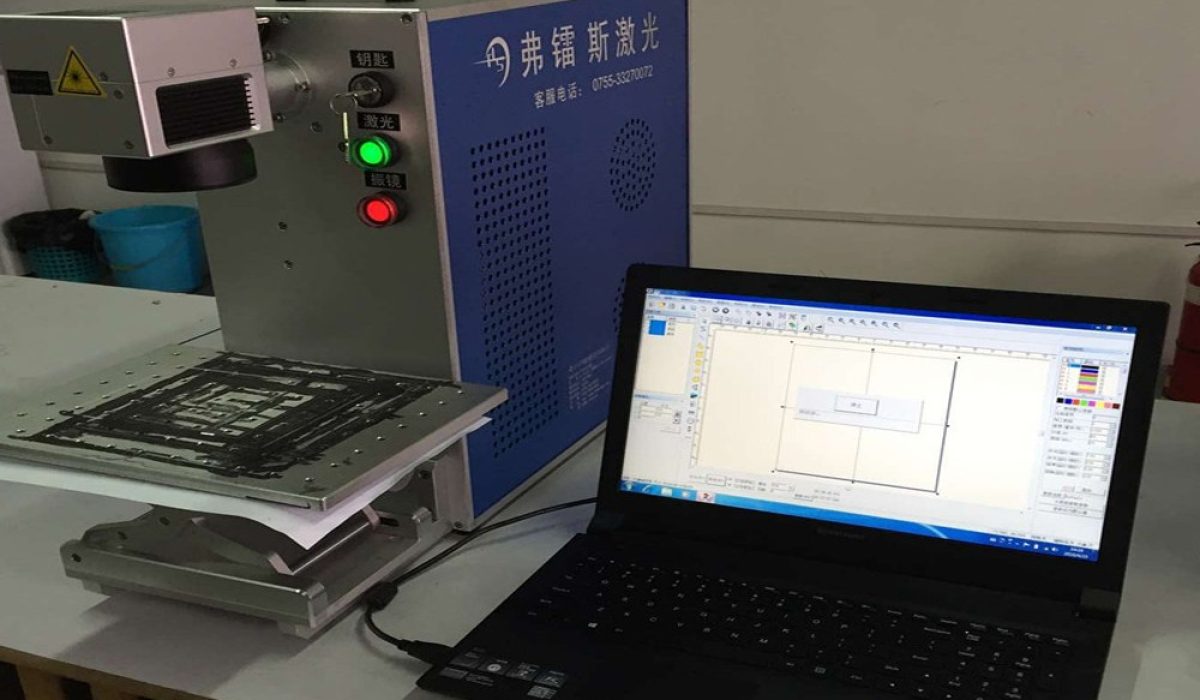
Most marking mistakes are made before the machine arrives — by choosing the wrong wavelength. Fiber vs UV vs CO₂ laser marking is not a question of which is best, but of which wavelength your material actually absorbs. Get that right and everything else follows.
The Three Wavelengths at a Glance
| Fiber | UV | CO₂ | |
|---|---|---|---|
| Wavelength | 1064nm | 355nm | 10,600nm |
| Best for | Metals | Plastics, glass, PCB | Organics, coated metals |
| Heat input | Moderate | Very low (“cold”) | High |
| Typical use | Metal marking & engraving | Heat-sensitive & fine marks | Wood, acrylic, leather, anodising |
Choose Fiber When…
- Your parts are metal: steel, stainless, aluminium, brass, titanium.
- You need durable, high-contrast marks and deep engraving.
- You want the widest material coverage for a metal-focused shop.
Choose UV When…
- Your material is heat-sensitive: plastics, thin films, glass, PCB.
- You mark medical devices, electronics or packaging where damage is unacceptable.
- You need extremely fine, high-precision marks.
Choose CO₂ When…
- You mark organics: wood, leather, acrylic, paper, some coated metals.
- Your budget is tight and you do not mark bare metal.
How to Decide in One Step
Name your material first. Metal points to fiber; heat-sensitive synthetics and glass point to UV; organics point to CO₂. Only then argue about power and brand.
FAQ
Can one laser do everything? Rarely well. Many workshops run a fiber for metal and a UV or CO₂ for other materials.
Which is most expensive? UV generally carries the highest cost per watt because of its complexity.
Explore the categories: fiber laser marking machines, UV laser marking machines and CO₂ laser marking machines. Or tell FLS your material and we will point you to the right wavelength.