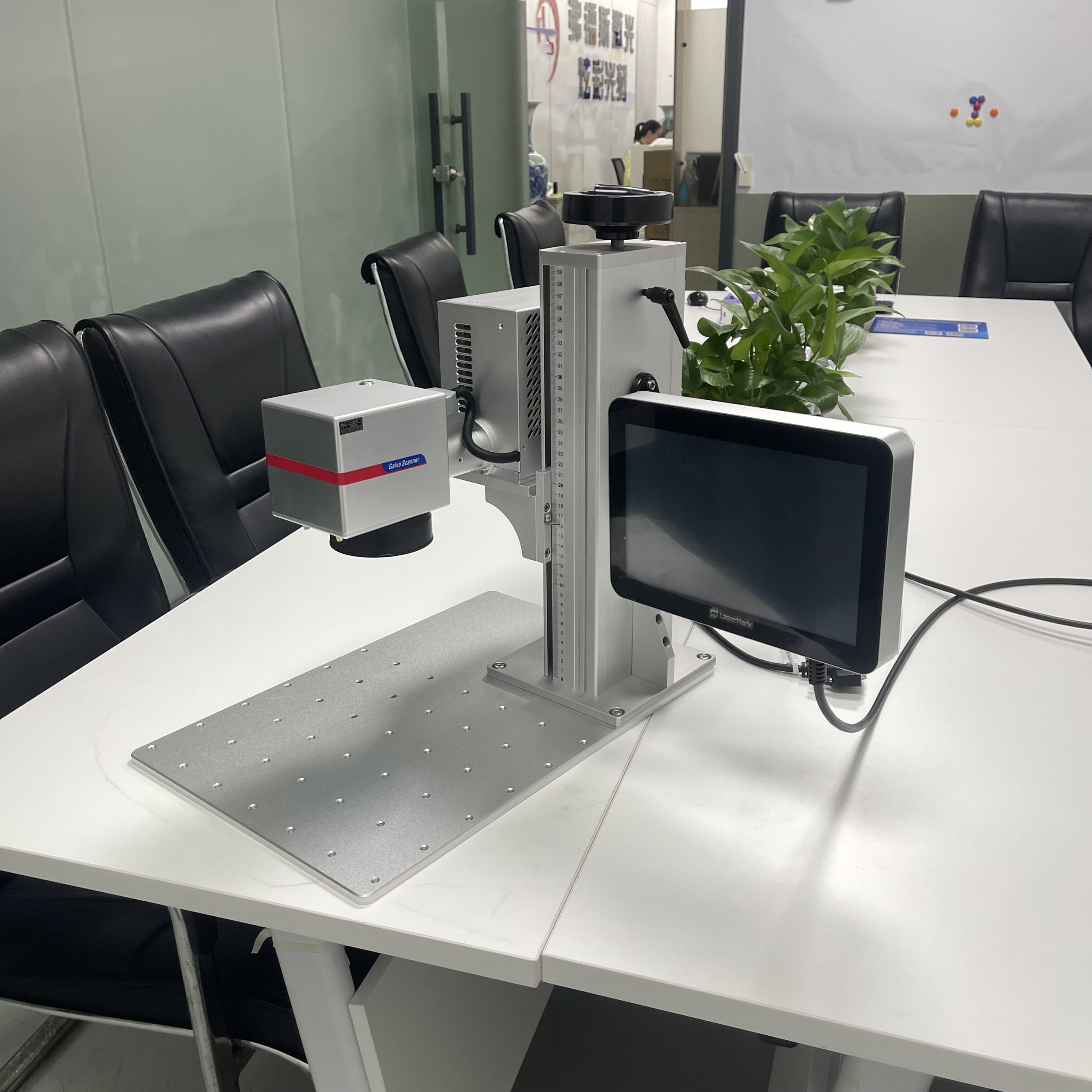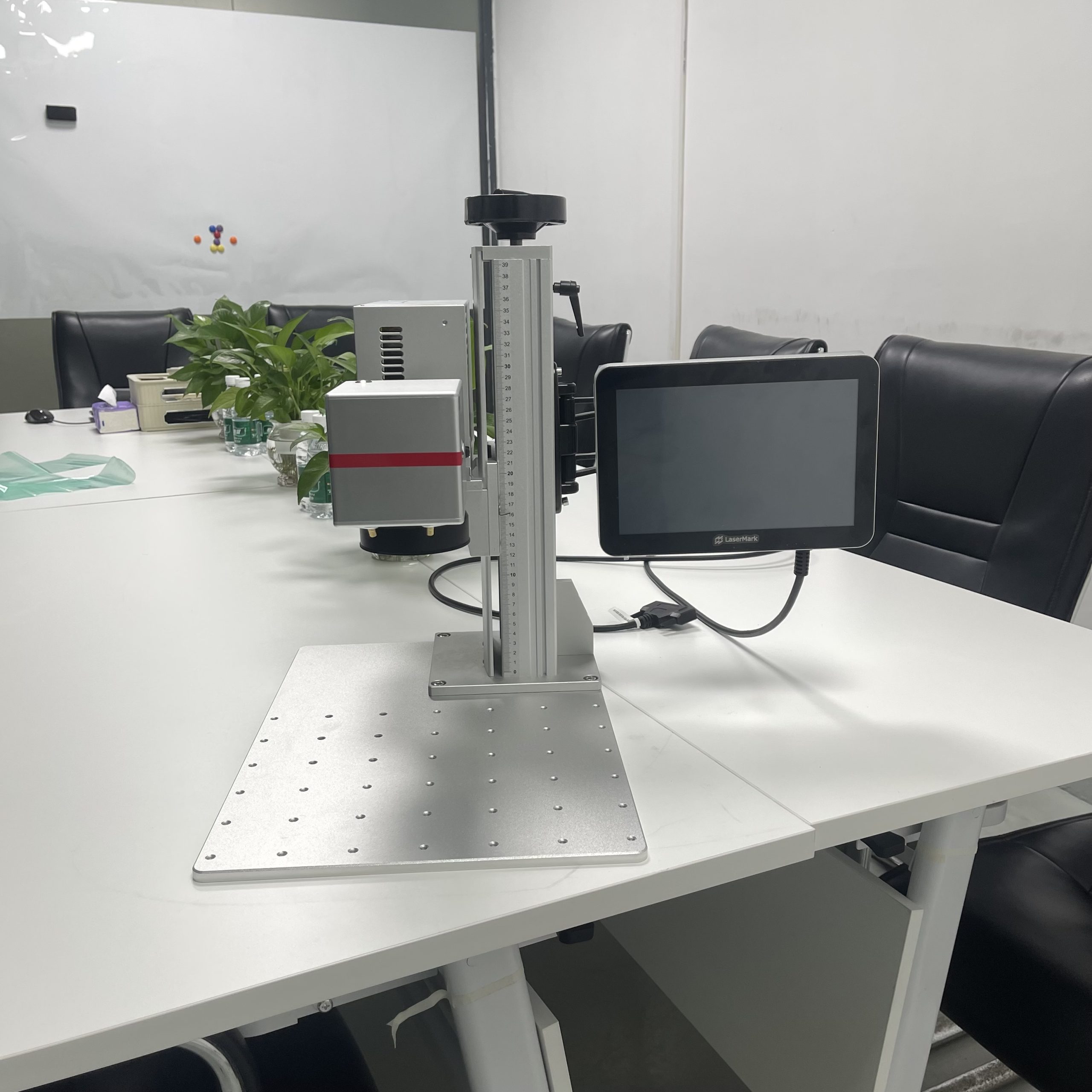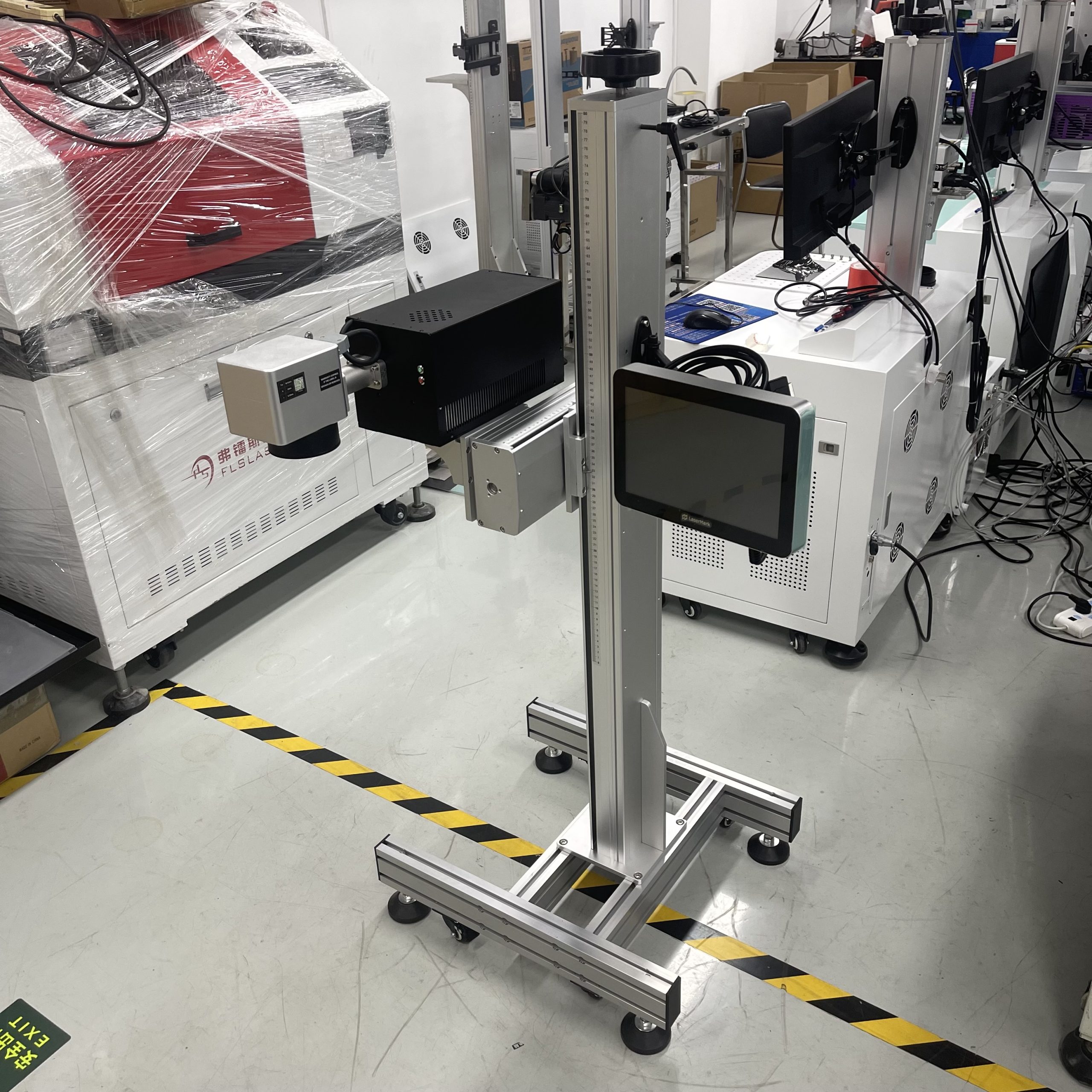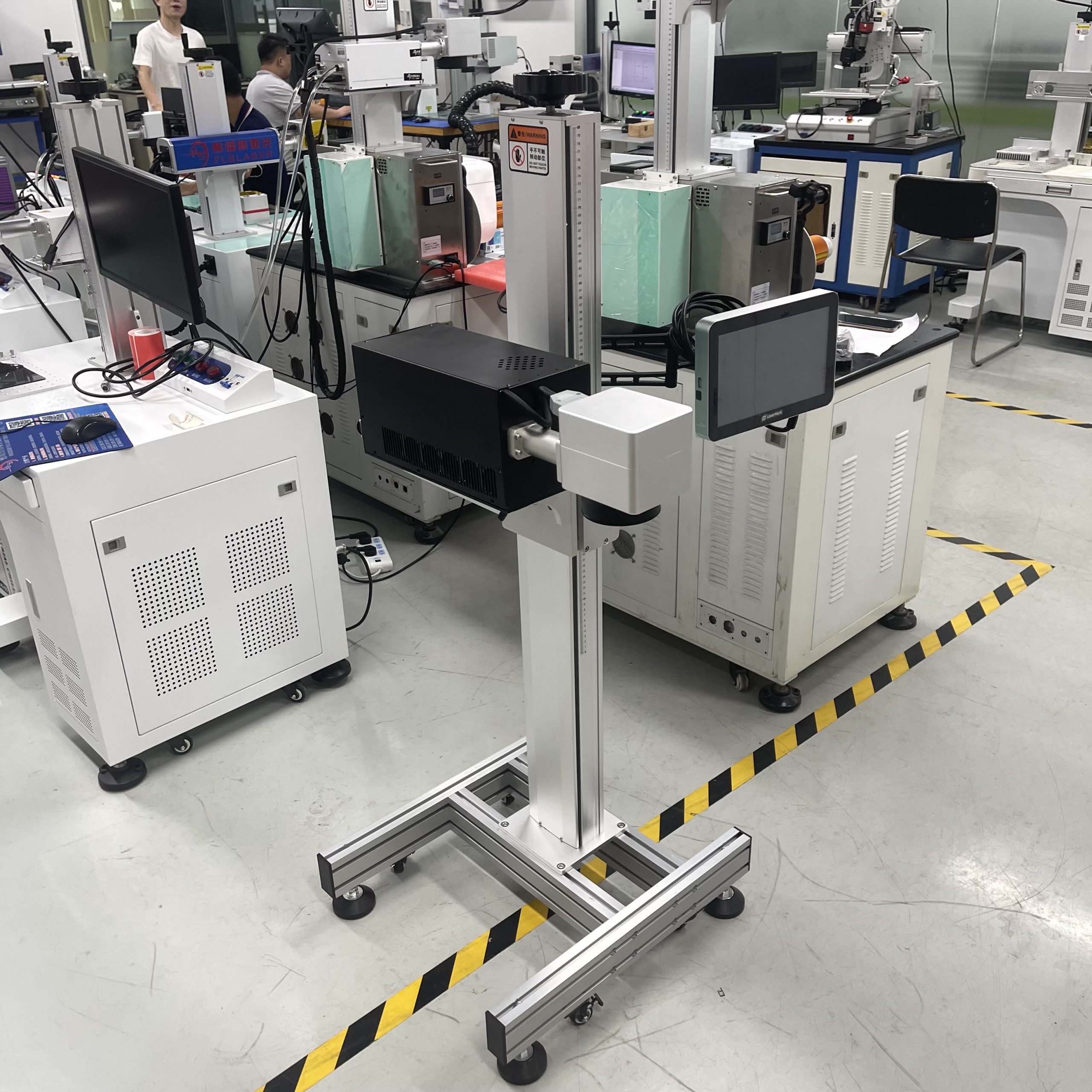
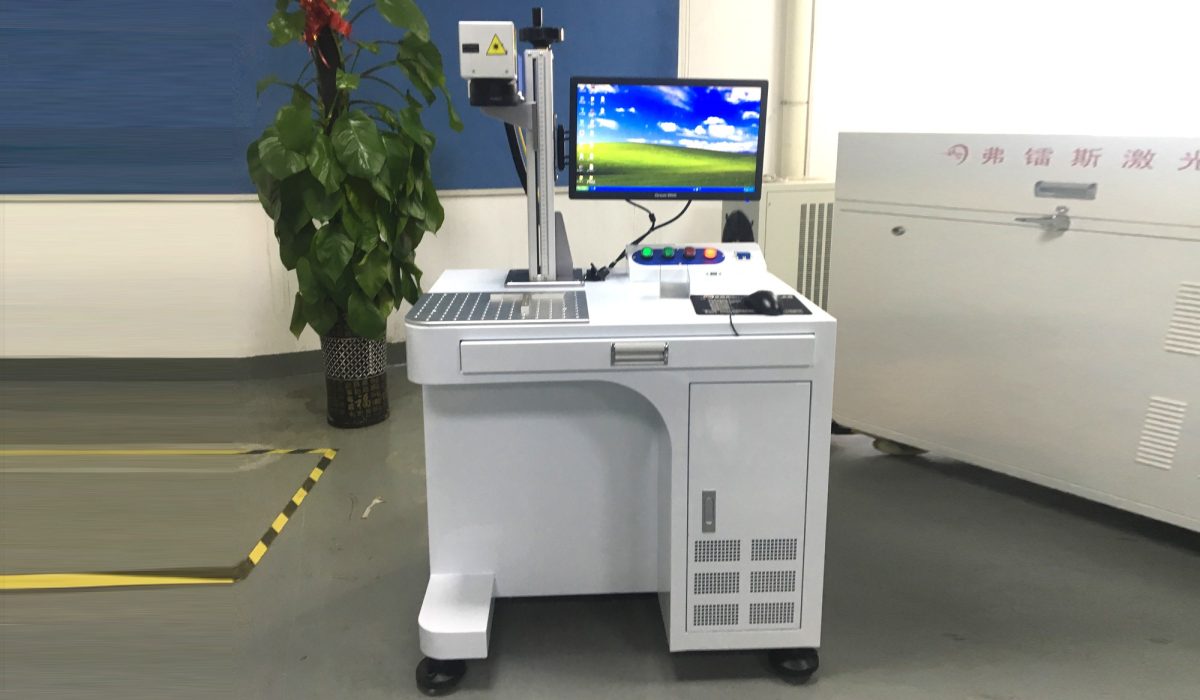
When you compare MOPA vs Q-switched fiber laser machines, the pricing difference is easy to see and the practical difference is not. Both mark metal. The question is whether you need the extra control that only a MOPA source gives you — and whether that control is worth the premium for the parts you actually run.
The One Technical Difference That Matters
Both sources produce a 1064nm beam. The difference is pulse control. A Q-switched source runs at a fixed, relatively long pulse. A MOPA (Master Oscillator Power Amplifier) source lets you tune pulse duration, typically from about 2ns up to 500ns, which changes how the energy interacts with the surface.
Where MOPA Wins
- Colour marking on stainless steel — tunable pulses create the oxide layers that read as black, grey or full colour.
- Plastic and thin films — short pulses reduce heat and avoid melting or carbonisation.
- Anodised aluminium and coated metals — cleaner, higher-contrast marks with less damage.
- Fine surface texturing — useful for anti-counterfeit and decorative work.
Where Q-Switched Is the Smarter Buy
- Straightforward engraving and annealing on steel and aluminium.
- Deep, high-contrast marks where colour is not required.
- Budget-sensitive projects and high-volume standard marking.
How to Decide in Two Questions
- Do you need colour, black-on-stainless or delicate plastic marks? If yes, choose MOPA.
- Is a single, durable grey or engraved mark enough? If yes, a Q-switched machine saves money with no practical downside.
FAQ
Can a Q-switched laser mark colour? Only limited black/grey results on stainless; full colour needs MOPA.
Is MOPA slower? Not inherently — throughput depends on power and settings, not on the source type alone.
See colour results on real parts in our colour marking on stainless steel guide, or start from the complete fiber laser marking machine guide. Still unsure? Send FLS your material and target result.
Signature:FLS – Laser Applications Engineer