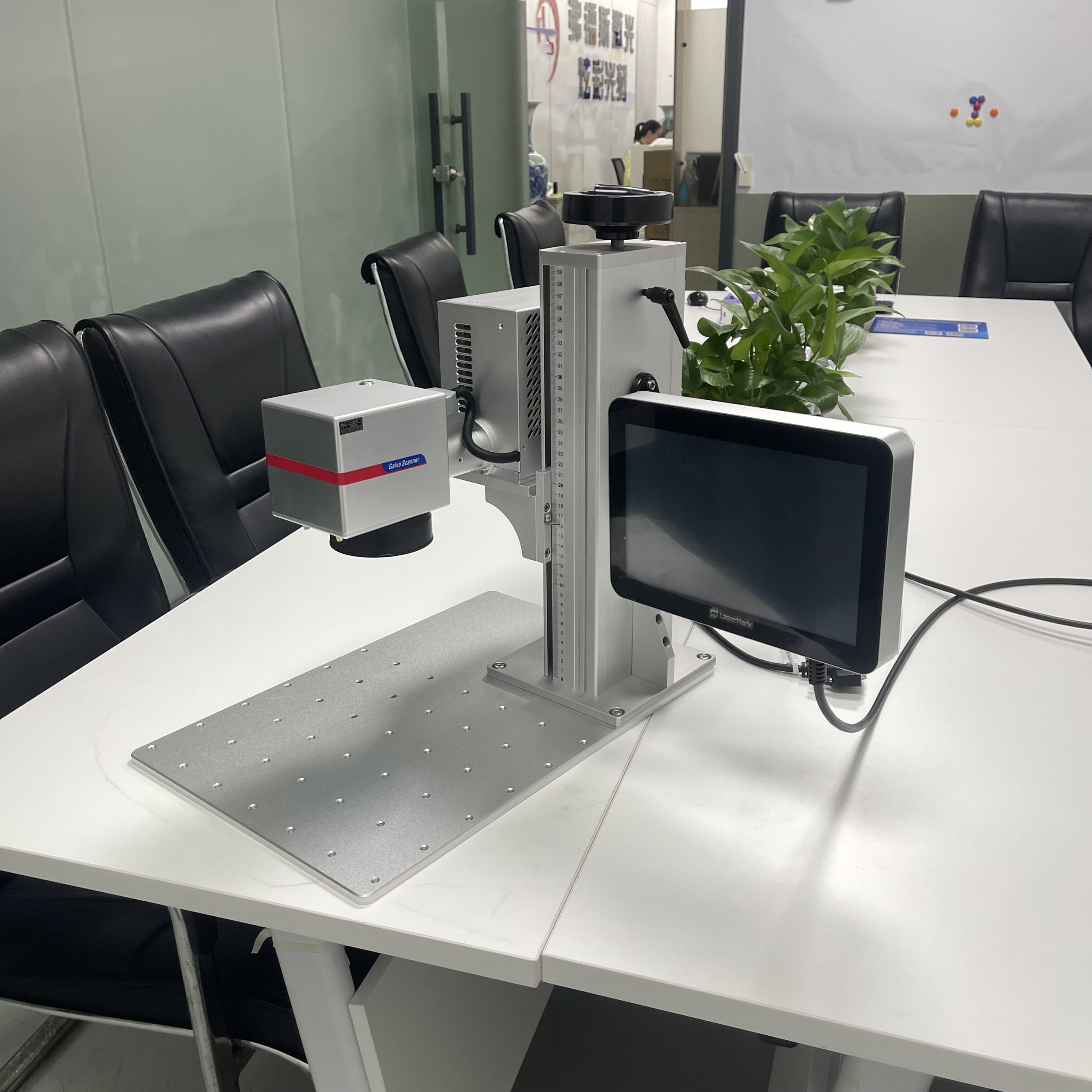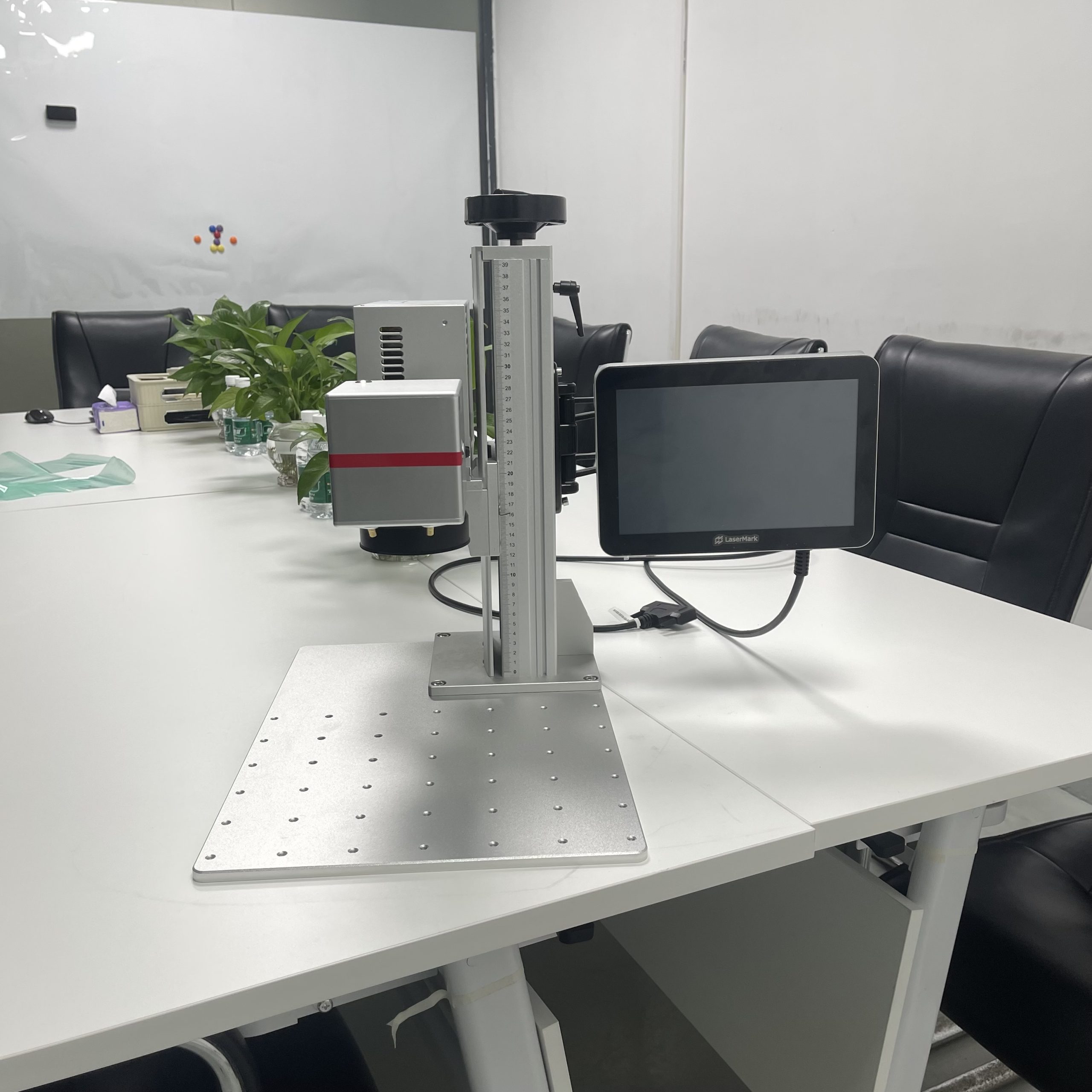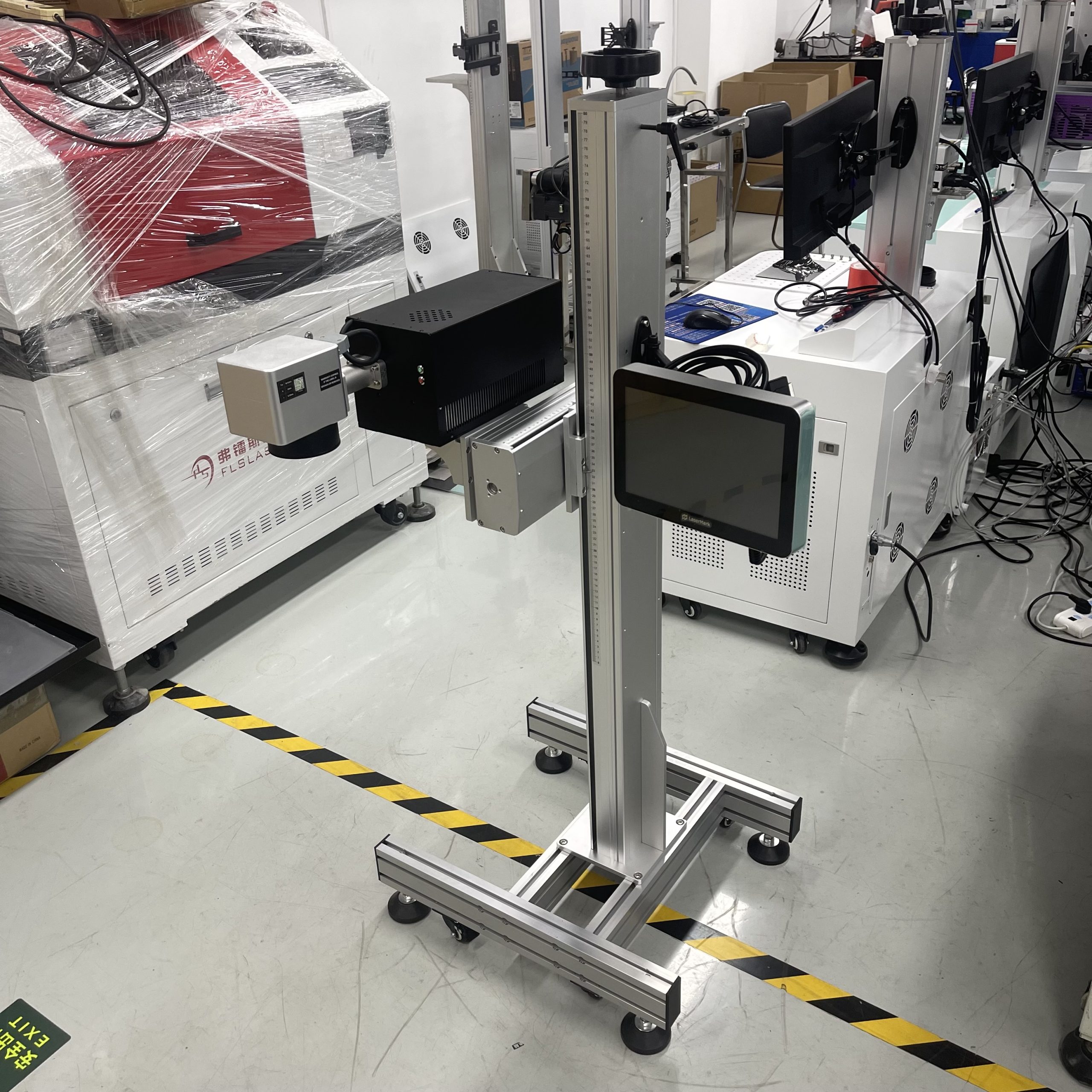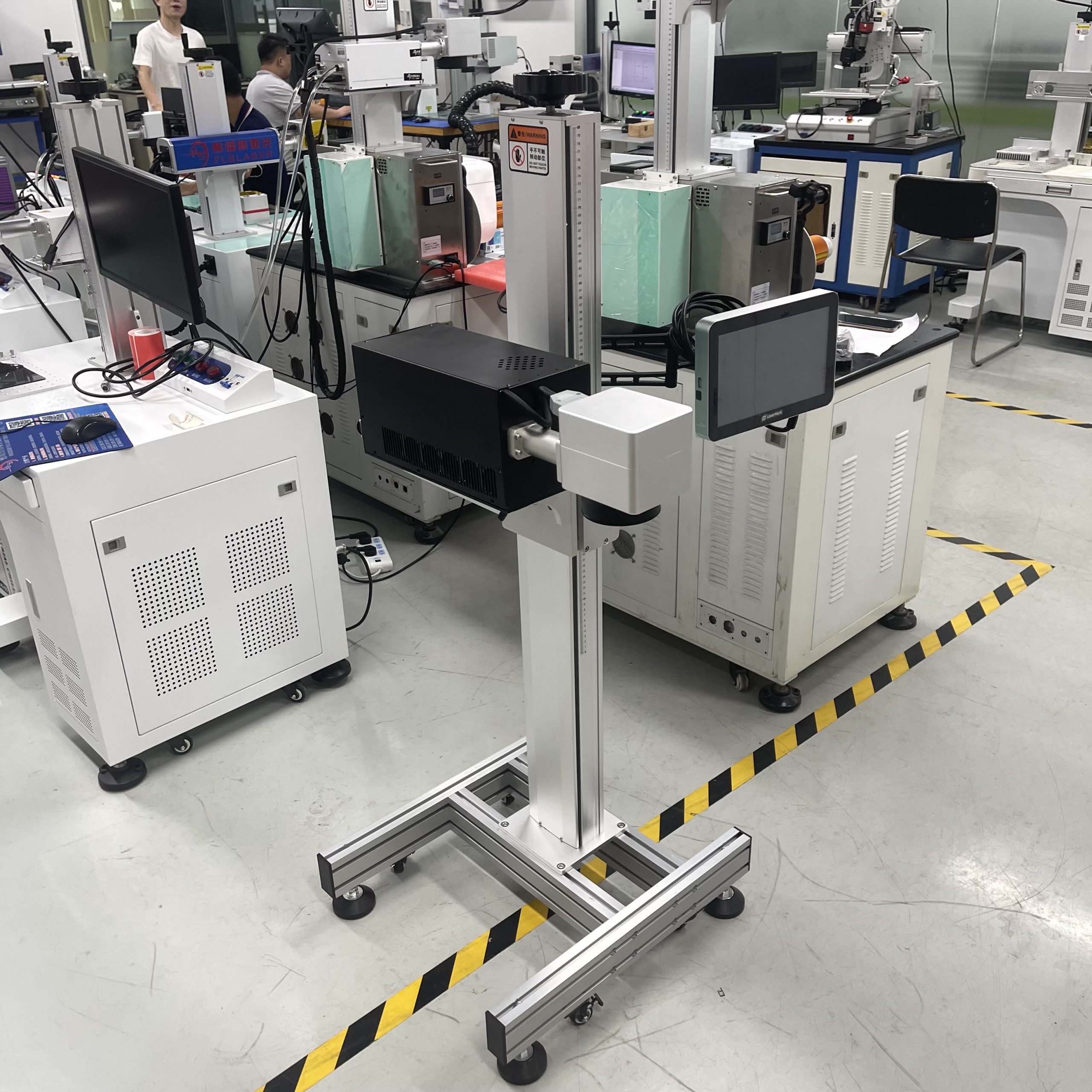
Stainless steel is the material fiber lasers were practically made for. It absorbs 1064nm well, it takes a permanent mark without coatings, and it can be marked in several visually different ways from the same machine. This guide covers fiber laser marking on stainless steel and the settings that produce each result.
The Three Looks You Can Produce
- Black annealing — heat oxidises the surface for a dark, high-contrast mark with no material removal.
- White / grey — low-energy foaming creates a light mark, useful on dark backgrounds.
- Deep engraving — higher energy removes material for a tactile, permanent mark.
Starting Parameters (Typical 20W–30W)
| Result | Power | Frequency | Speed |
|---|---|---|---|
| Black annealing | 30–50% | 20–40 kHz | High (300–700 mm/s) |
| Deep engraving | 70–100% | 20–30 kHz | Low (100–300 mm/s) |
| Light / white mark | 20–40% | 40–80 kHz | High |
Treat these as starting points only. Every alloy behaves slightly differently, so always run a test matrix on scrap before production.
Getting a Consistent Black Mark
Black annealing is the hardest result to keep uniform. Defocusing slightly, using a hatch with overlap, and keeping the surface clean and oil-free will do more for consistency than pushing power higher.
Common Problems
- Blown-out or fuzzy marks — power too high or speed too low; reduce energy density.
- Faint, uneven black — often a focus or cleaning issue, not power.
- Colour variance between batches — check alloy grade and surface finish first.
FAQ
Do I need a coating or spray? No. A fiber laser marks bare stainless directly and permanently.
Can I get colour on stainless? Full colour generally needs a MOPA source — see colour laser marking on stainless steel.
For the full picture, start with the fiber laser marking machine guide. To have your own grade dialled in, send a sample to FLS Laser.