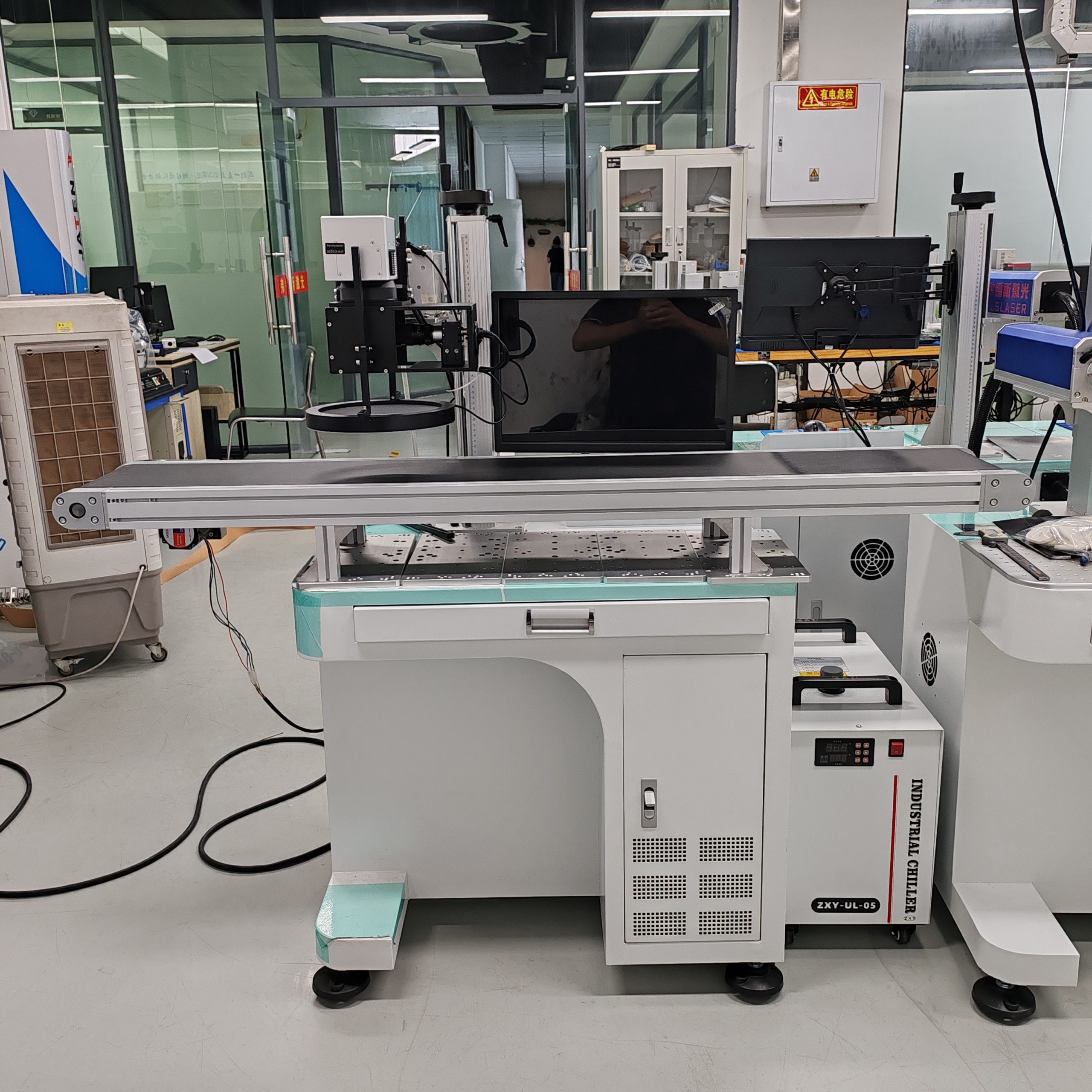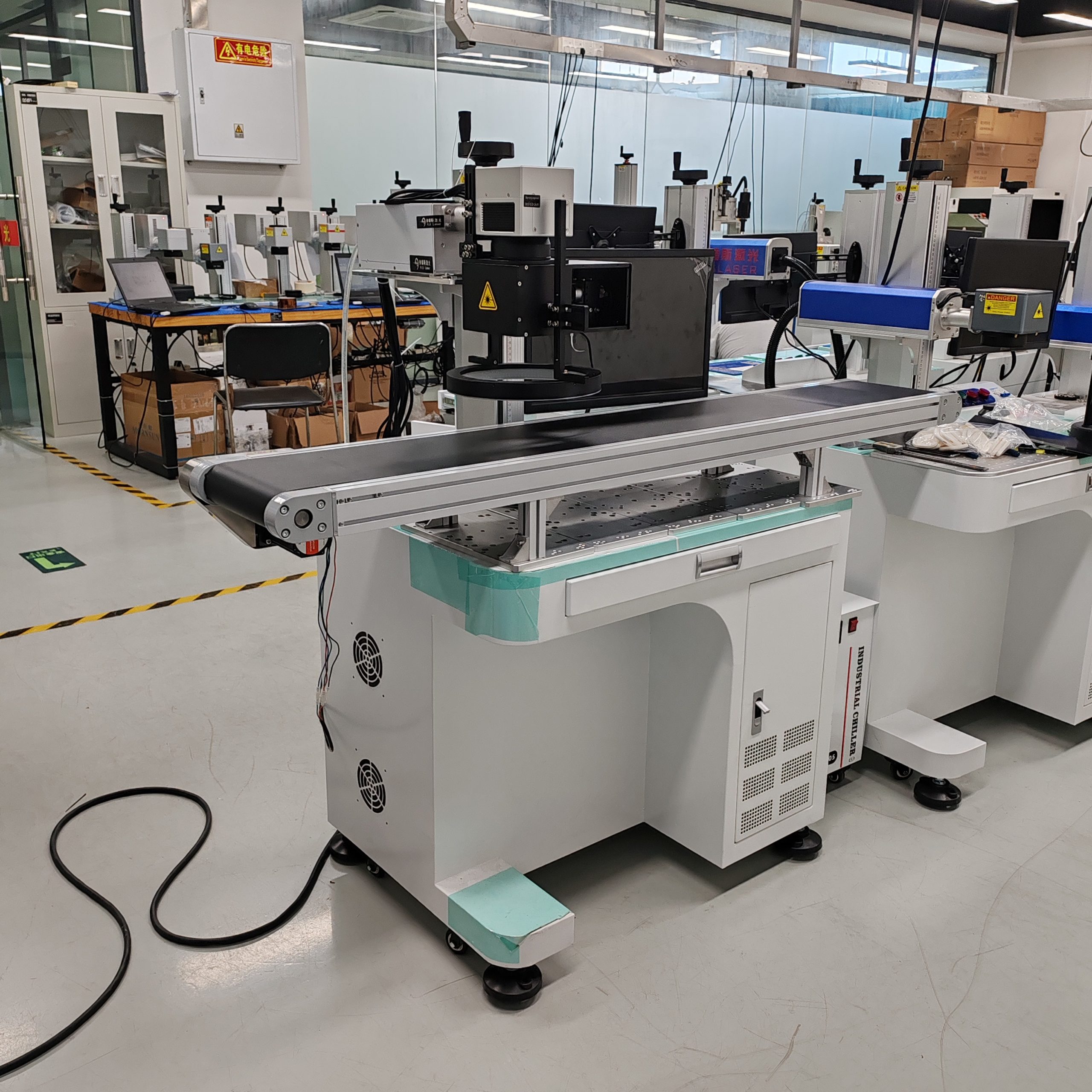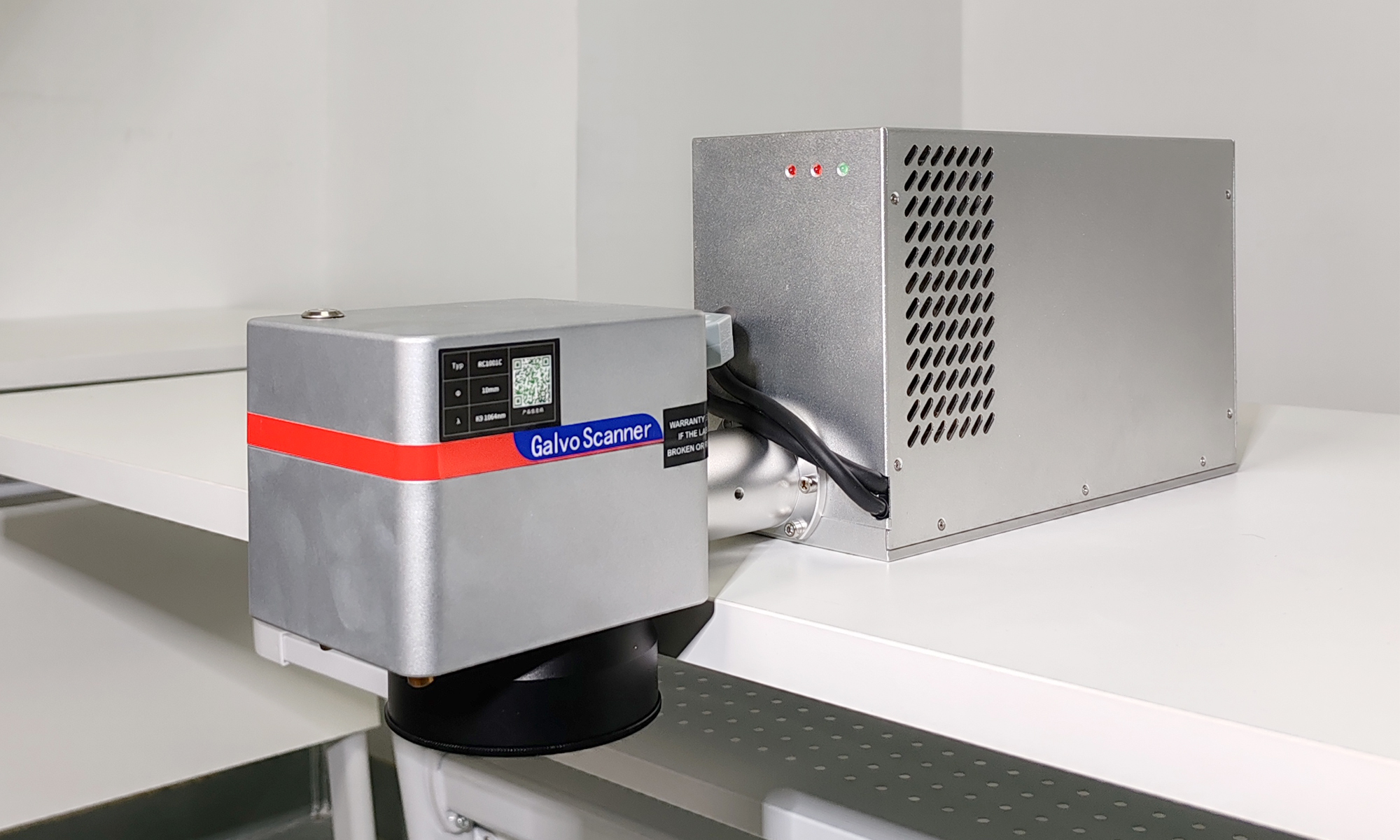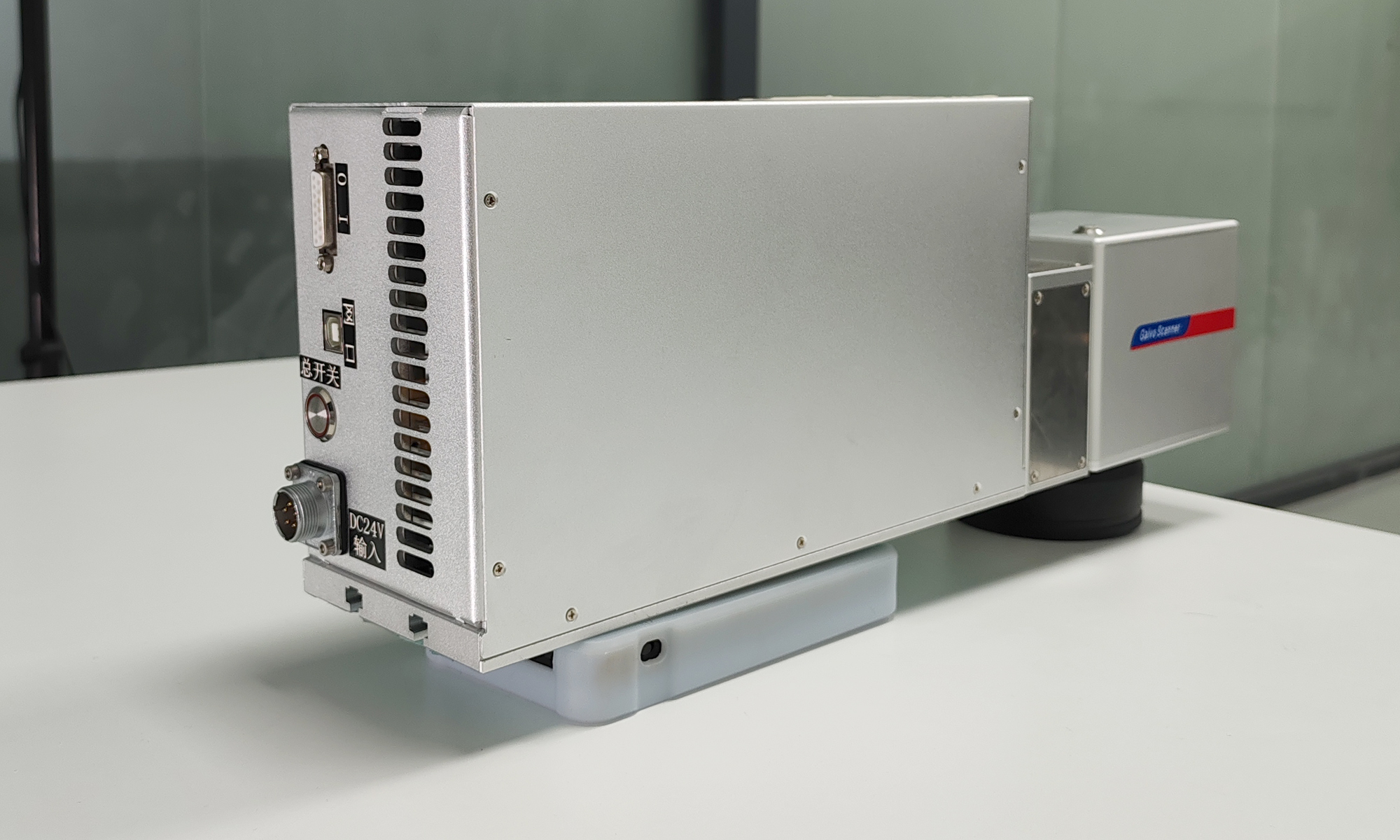
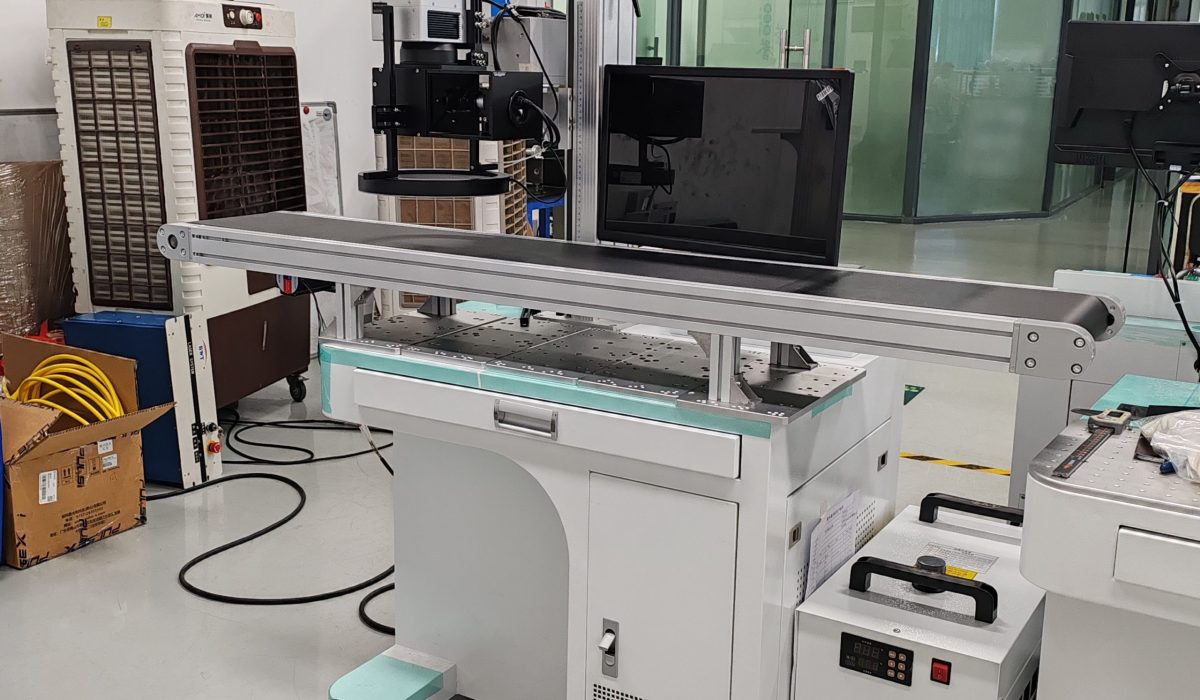
The UV vision marking machine market is one of the fastest-growing segments within the global laser marking equipment industry. Driven by rising demand for precision traceability in electronics, medical devices, semiconductors, and automotive manufacturing, UV-based marking systems are displacing traditional inkjet, pad printing, and even fiber laser solutions across a growing list of applications.
This UV vision marking machine market report for 2026 breaks down current market size, growth rate, regional dynamics, key players, emerging trends, and the most promising application sectors. Whether you are a manufacturer, investor, distributor, or procurement manager, this analysis will help you understand where the market is heading and why.
Market Size & Growth: 2024–2030 Forecast
The global UV vision marking machine market has entered a phase of steady, technology-driven expansion.
Market size in 2025: The worldwide UV laser marking equipment market (including both standard and vision-integrated models) was estimated at approximately USD 280–320 million in 2025. Vision-equipped UV markers account for roughly 35–40% of that total, putting the UV vision marking machine market at around USD 100–130 million in 2025.
Growth rate: The market is projected to grow at a compound annual growth rate (CAGR) of 8–11% from 2024 through 2030. By 2030, the total UV vision marking machine market is expected to reach USD 170–220 million.
Why such strong growth? Three macro trends are pulling demand forward:
- Miniaturization of electronics — Smaller parts require finer marks and automatic positioning, which only a UV vision marking machine can deliver reliably.
- Stricter traceability regulations — Medical devices (UDI), automotive (IATF 16949), and aerospace (AS9100) all demand permanent, high-contrast part identification.
- Transition from analog to digital marking — Inkjet and pad printing are being phased out due to consumable costs, environmental concerns, and poor mark durability.
Regional Market Breakdown
The UV vision marking machine market is geographically concentrated in manufacturing hubs. Here is how the major regions compare.
1. China — The Largest Market (≈ 40–45% Global Share)
China dominates the UV vision marking machine market for two reasons: it is both the world’s largest manufacturer of UV laser equipment and the biggest consumer of marking machines for domestic electronics, PV solar, and automotive production.
Key demand drivers in China:
- Boom in 3C electronics manufacturing (smartphones, wearables, EV components)
- Rapid expansion of new energy battery production (lithium battery cells, busbars)
- Government support for domestic laser technology under the “Made in China 2025” initiative
- Strong export of Chinese UV marking machines to Southeast Asia, the Middle East, and Latin America
Major Chinese manufacturers include Han’s Laser (大族激光), HGTECH (华工激光), HAN’S YUEMING (粤铭), FLS Laser, Suzhou Suntop, and Wuhan Sunic.
2. North America — High-Value, High-Precision Demand (≈ 20–25%)
The United States and Canada represent the most mature UV vision marking machine market in terms of technology adoption, but growth is driven primarily by medical devices, aerospace, and semiconductor industries where quality and regulatory compliance outweigh price considerations.
North American buyers prefer premium brands like Keyence, Videojet, Telesis, MECCO, and Coherent. They are also the most willing to invest in fully automated, MES-integrated marking workcells.
3. Europe — Strict Regulation, Stable Growth (≈ 15–20%)
Germany, Italy, Switzerland, and the UK lead European demand for UV vision marking machine installations. Key drivers include:
- Automotive — EV battery marking, sensor marking, connector traceability
- Medical technology — UDI compliance for surgical instruments and implants
- Precision manufacturing — Watchmaking, optics, and luxury goods
European brands such as Alltec (FOBA), Schmidt, Laserax, and SEICA are well-established players.
4. Southeast Asia — Fastest Growing Region (CAGR ≈ 12–15%)
Vietnam, Thailand, Malaysia, and Indonesia are the new hotspots of the UV vision marking machine market. As electronics manufacturing shifts from China to Southeast Asia (the “China+1” strategy), demand for UV marking equipment—especially entry-level and mid-range models from Chinese suppliers—is surging.
5. Other Regions
India, the Middle East, and Latin America represent emerging markets with growing manufacturing bases. These regions are currently price-sensitive and favor cost-effective Chinese UV vision marking machine models.
Application Sectors Driving Market Growth
Not all industries contribute equally to the UV vision marking machine market. The following five sectors are the primary growth engines.
1. Electronics & Semiconductor — Largest Application Segment
Electronics manufacturing accounts for approximately 35–40% of total UV vision marking machine market revenue. The combination of tiny part sizes, heat-sensitive materials (plastic connectors, FPC, ceramic substrates), and strict traceability requirements makes UV vision marking the gold standard.
Key use cases:
- PCB / FPC QR code and serial number marking
- Semiconductor wafer and die marking
- Passive component (resistor, capacitor, inductor) marking
- Smartphone internal component traceability
- EV battery cell and module marking
As the global semiconductor industry continues to invest in advanced packaging and miniaturization, this segment will remain the largest driver of UV vision marking machine market growth.
2. Medical Devices & Pharmaceuticals — Highest Growth Rate
The medical device segment is growing at the fastest rate (CAGR ≈ 12–14%) within the UV vision marking machine market, fueled by:
- UDI (Unique Device Identification) mandates in the US, EU, and China
- Demand for sterile, permanent, biocompatible marking
- Growth in minimally invasive surgery devices and implants
Surgical instruments, orthopedic implants, catheter hubs, syringe barrels, and glass vials are all marked with UV lasers today.
3. Automotive & EV Battery — Underpenetrated Opportunity
While fiber lasers still dominate traditional automotive marking, the UV vision marking machine market is gaining share rapidly in:
- EV battery cell traceability (aluminum and plastic housings)
- Plastic connector and sensor marking
- Interior decorative trim with high-end visual requirements
- ADAS sensor calibration marks
The global transition to electric vehicles is creating entirely new marking applications that UV lasers handle better than any other technology.
4. Precision Optics & Photonics — Niche but High-Value
Optical lenses, filters, prisms, and fiber optic components require marks that do not affect optical performance. This is a relatively small but high-margin segment of the UV vision marking machine market, where only the most precise machines qualify.
5. Cosmetics & Luxury Packaging — Brand-Driven Demand
Premium cosmetic brands increasingly use UV vision marking machine systems to create elegant, permanent marks on glass bottles, perfume caps, and lipstick tubes. The no-contact, no-consumable nature of UV marking ensures consistent quality at mass production volumes.
Key Players & Competitive Landscape
The UV vision marking machine market features a mix of global industrial giants, specialized laser marking companies, and fast-growing Chinese manufacturers.
Global Tier-1 Brands
- Keyence (Japan) — Premium-priced, highly integrated systems; strong in electronics and automotive
- Videojet (US / Dover) — Global leader in product identification; broad UV laser portfolio
- Telesis Technologies (US) — Specialized in industrial permanent marking
- MECCO (US) — Industrial laser marking and traceability solutions
- FOBA / Alltec (Germany) — High-precision laser marking for medical and industrial applications
- Coherent (US) — Broad laser technology company with UV marking capabilities
Chinese Domestic Leaders
- Han’s Laser (大族激光) — China’s largest laser equipment manufacturer; full UV product line
- HGTECH (华工激光) — State-backed, strong in automotive and 3C electronics
- HAN’S YUEMING (粤铭) — Mid-to-high-end UV and fiber laser marking machines
- Wuhan Sunic (三工光电) — Specialized in laser marking and micro-processing
- FLS Laser — Fast-growing Shenzhen-based manufacturer of UV, fiber, and CO2 marking systems
- Suzhou Suntop (苏州光谷) — Regional leader in precision UV marking
The competitive dynamic is shifting rapidly. Chinese manufacturers, once seen as low-cost alternatives, are now competing head-to-head with global brands on technology, quality, and after-sales service—especially in mid-range and high-volume production applications.
5 Emerging Trends Shaping the UV Vision Marking Machine Market
Trend 1: Integration with AI and Machine Vision 2.0
Next-generation UV vision marking machine systems are combining CCD positioning with AI-powered defect detection, OCR verification, and real-time quality control. The same camera that positions the part also inspects the mark quality, creating a closed-loop marking-and-verification system.
Trend 2: 3D and Curved-Surface Marking
As consumer products become more ergonomic and industrial parts more complex, demand for 3D-capable UV vision marking machine systems is rising. Dynamic focus modules and 3D vision scanning allow marking on curved, inclined, and irregular surfaces with the same precision as flat parts.
Trend 3: Higher Power UV Lasers
While 3W and 5W remain the most common power ratings, 10W and 15W UV lasers are gaining market share quickly. Higher power enables faster marking, deeper marks on ceramics and glass, and better throughput for high-volume production lines—expanding the addressable UV vision marking machine market.
Trend 4: Smart Factory & MES Integration
Industry 4.0 and smart manufacturing initiatives are pushing marking equipment from standalone machines into connected production nodes. Modern UV vision marking machine models support OPC UA, MQTT, Profinet, and custom API integration with MES, ERP, and SCADA systems.
Trend 5: Green Manufacturing & Sustainability
UV laser marking is inherently green—no inks, solvents, or consumables, and lower energy use compared to inkjet or electrochemical marking. As ESG regulations tighten globally, the UV vision marking machine market benefits from being positioned as an eco-friendly alternative to traditional marking methods.
Market Challenges & Barriers
Despite strong growth, the UV vision marking machine market faces several headwinds:
- Higher upfront cost — UV lasers are 2–4x more expensive than comparable fiber lasers, making ROI justification harder for small and medium businesses.
- Shorter laser lifespan — UV laser diodes and crystals degrade faster than fiber laser sources (20,000 vs. 100,000 hours), increasing total cost of ownership.
- Sensitivity to operating environment — Dust, humidity, and temperature fluctuations affect UV laser performance more than fiber lasers, requiring controlled factory environments.
- Technical complexity — Vision system calibration, optical alignment, and maintenance require skilled technicians, creating a barrier in regions with limited technical infrastructure.
Future Outlook (2026–2030)
Looking ahead, the UV vision marking machine market is positioned for continued strong growth. Here is what we expect:
- Market size to reach USD 170–220 million by 2030 at a CAGR of 8–11%
- 10W+ high-power UV models will be the fastest-growing power segment
- Southeast Asia and India will outpace China in growth rate, though China remains the largest market by volume
- Medical devices and EV batteries will be the two most dynamic application sectors
- Chinese manufacturers will continue to gain global market share, especially in mid-range and cost-sensitive segments
- AI-powered vision + marking + inspection will become the standard configuration for premium models
Frequently Asked Questions
Q1: What is the current size of the UV vision marking machine market?A: The global UV vision marking machine market was approximately USD 100–130 million in 2025 and is expected to grow at an 8–11% CAGR through 2030.
Q2: Which region dominates the UV vision marking machine market?A: China is the largest market, accounting for roughly 40–45% of global demand due to its massive electronics and manufacturing base.
Q3: Which industry uses UV vision marking machines the most?A: The electronics and semiconductor industry is the largest application segment, representing 35–40% of total market revenue.
Q4: What is the fastest-growing application for UV vision marking?A: Medical device marking is growing fastest (CAGR ≈ 12–14%), driven by global UDI traceability regulations.
Q5: How will AI affect the UV vision marking machine market?A: AI will transform UV markers from simple marking tools into intelligent marking-and-inspection stations, enabling automatic defect detection, quality verification, and closed-loop process control.
Related Articles:UV Vision Marking Machine: The Complete Product Guide (2026)