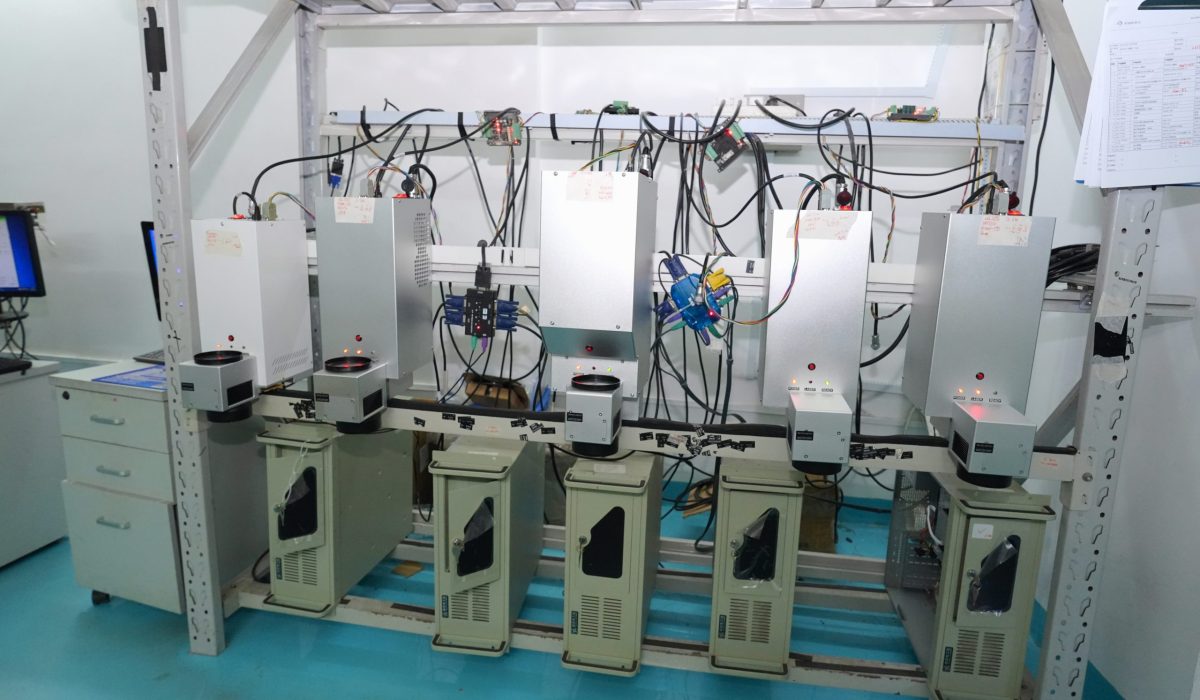
Industrial laser marking basics are the core knowledge that every manufacturing practitioner needs to master,
covering the working mechanism of laser marking systems, different marking techniques, and industry-specific application scenarios.
This guide systematically sorts out the complete basic logic of laser marking,
helping users quickly select the most suitable laser marking solution for their own materials and process requirements.
🛠️ How Industrial Laser Marking Works
Laser marking is a permanent marking method that uses a focused laser beam to alter the surface properties of the target material.
Different from traditional ink printing, the laser marking process does not add extra substances to the workpiece,
and the formed mark will never fade even in extremely harsh working environments.
🏷️ Common Laser Marking Classification Techniques
There are multiple mature marking processes adapted to different materials. For metal materials, there are three mainstream processes: black annealing oxidation marking, white etching marking and deep engraving marking. For plastic materials, three corresponding processes are available: foaming marking, pigment chemical discoloration marking and carbonization marking.
Different processes can obtain different contrast and mark depth effects according to the actual production requirements.
🏭 Wide Industry Applications of Laser Marking
Laser marking technology has been widely used in almost all industrial manufacturing fields.
Automotive manufacturers use it to mark permanent traceability codes for engine parts, transmission systems and safety components,
which provides reliable data support for quality control and product recall.
Medical device manufacturers use it to mark surgical instruments and implants,
which can still remain clearly readable after high-temperature and high-pressure sterilization,
fully complying with strict medical industry regulatory requirements. In the electronics manufacturing industry,
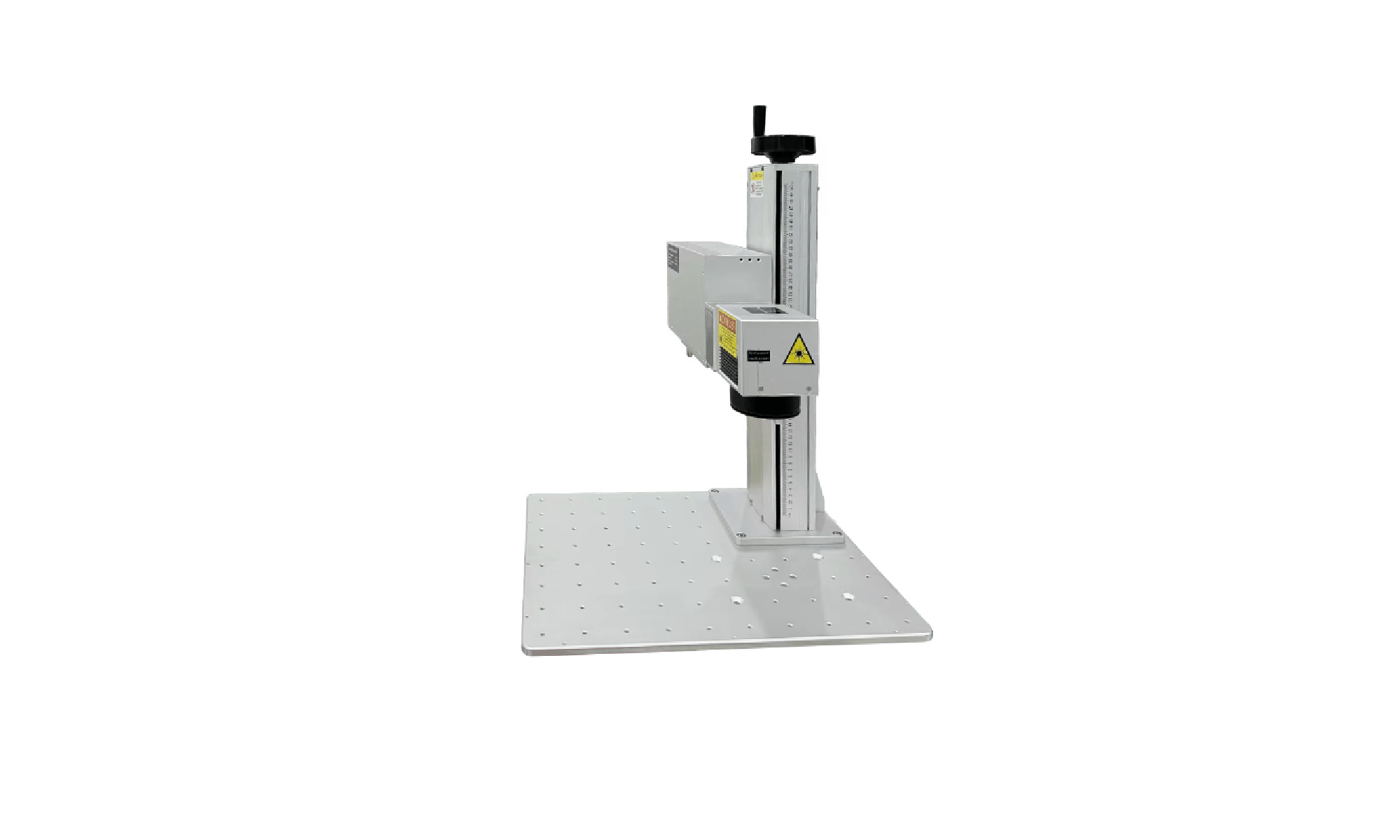
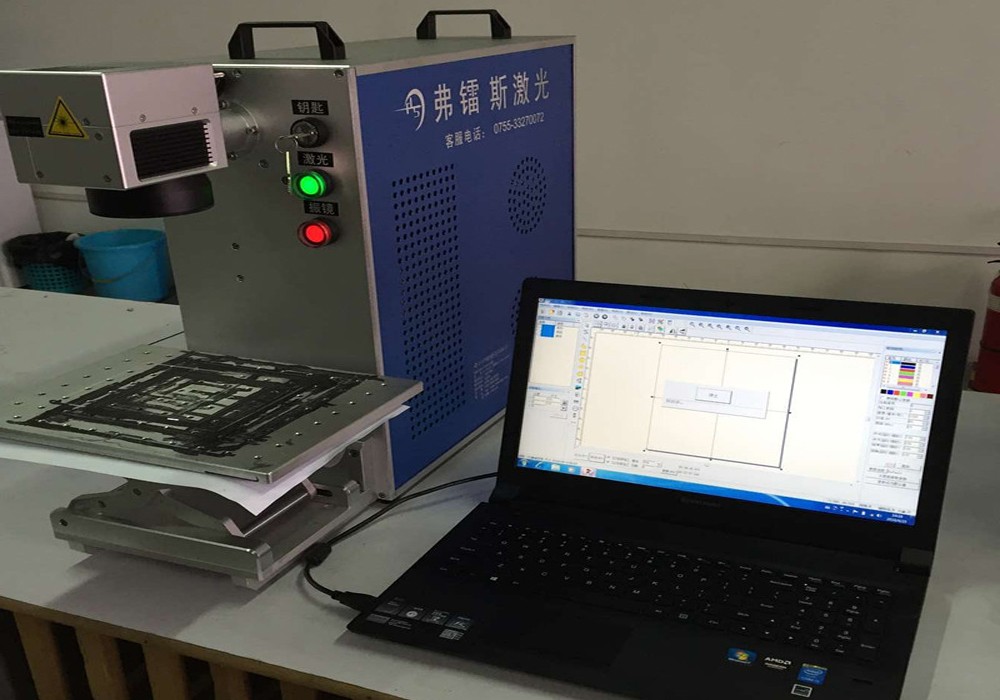
laser marking machines are used to mark circuit boards and tiny components,
which is the core supporting equipment to ensure product traceability.
The whole laser marking process has no ink, no chemical solvent, no waste discharge,
which is a typical eco-friendly green production process, while ensuring extremely high production efficiency,
modern industrial laser marking systems can complete thousands of parts marking tasks per hour,
which greatly reduces the long-term production cost of the factory.