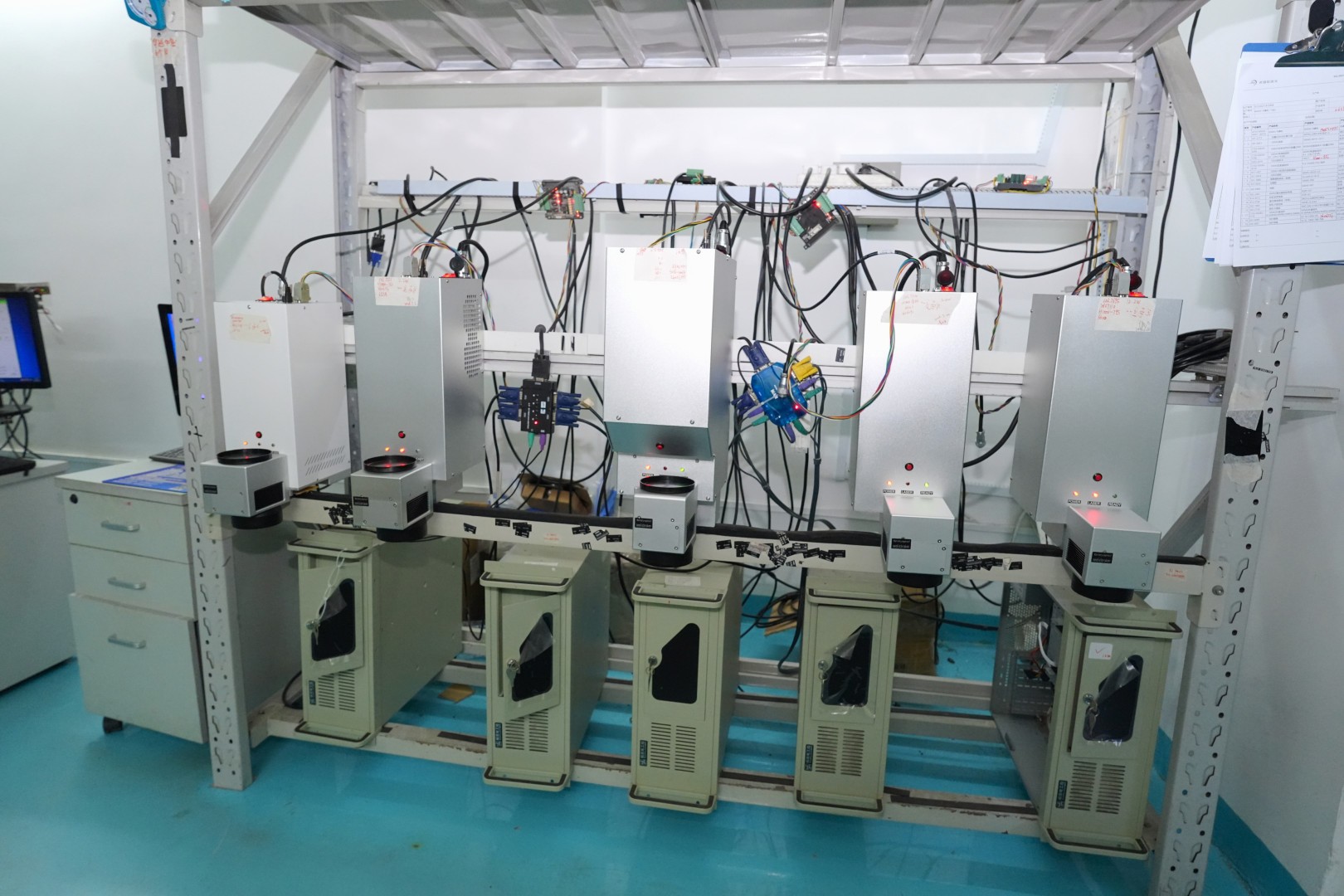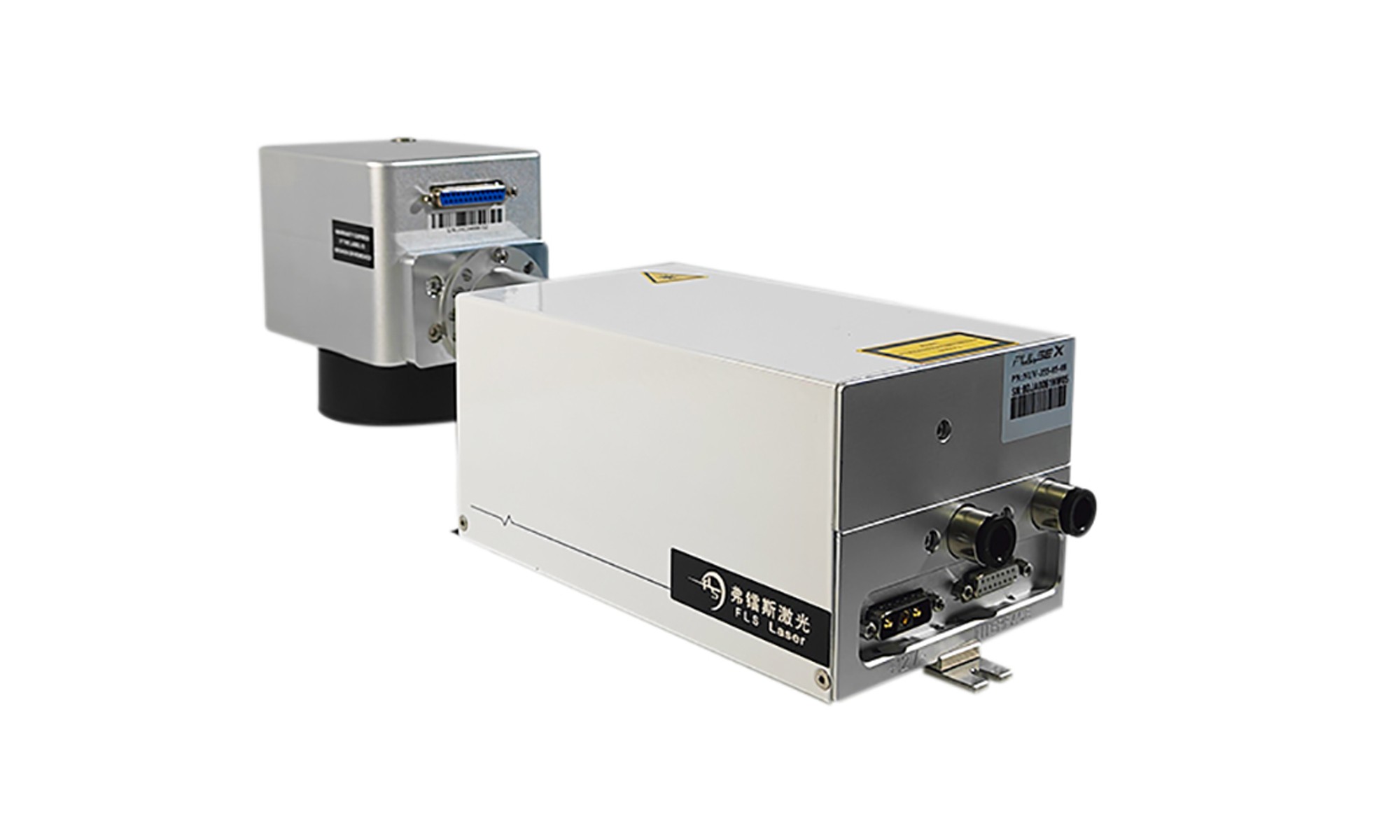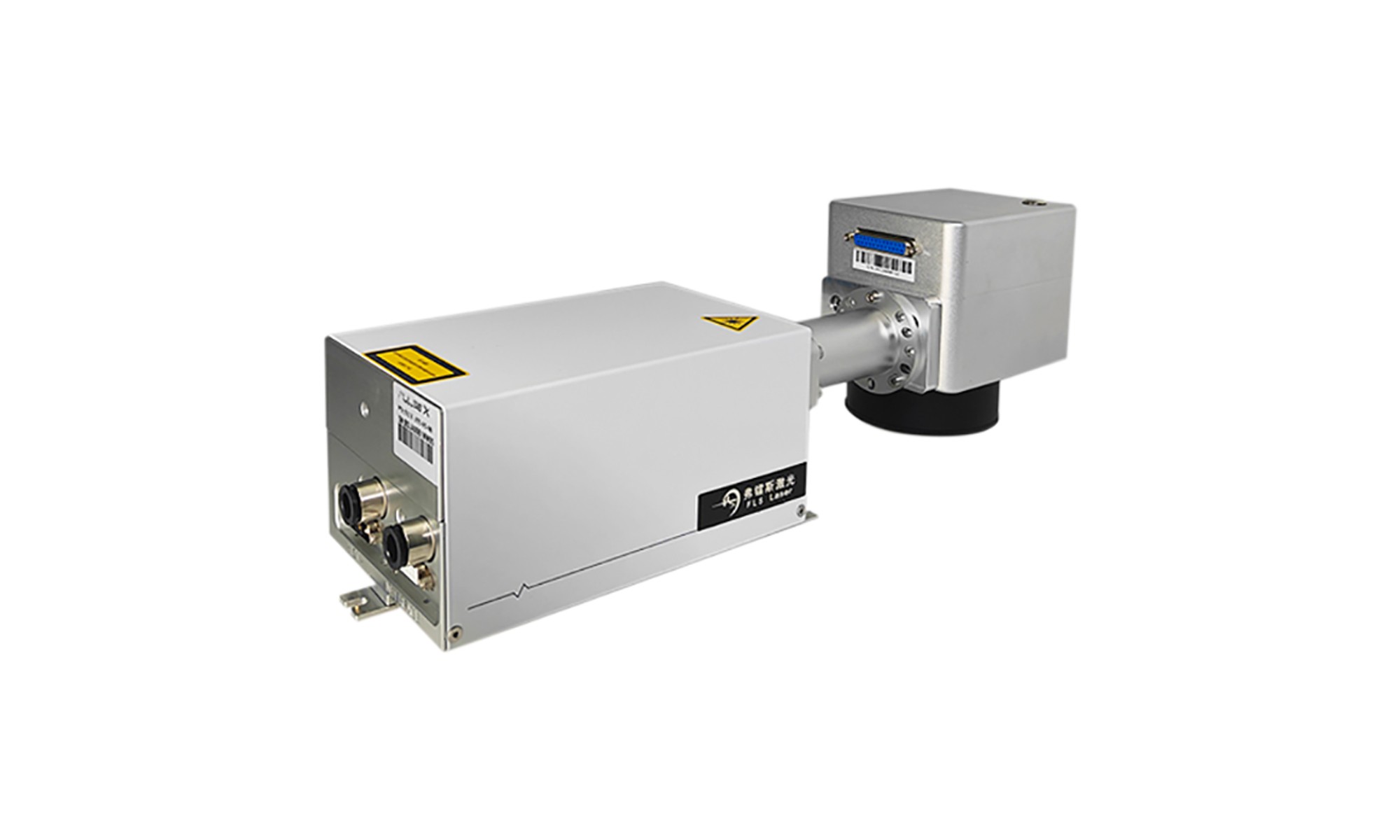
Colour marking is the feature that sells MOPA machines — and the one that frustrates new owners most. The colours do not come from ink or pigment. They come from a thin oxide film whose thickness interferes with light, so color laser marking stainless steel is really a question of controlling oxide thickness precisely.
Why Colour Needs a MOPA Source
Only a source with tunable pulse duration can build the range of oxide thicknesses that produce different colours. A Q-switched machine can manage black and grey at best. If colour is a requirement, MOPA is not optional — see MOPA vs Q-switched fiber laser.
How the Colour Is Created
- Pulse duration — the primary control of oxide thickness and therefore hue.
- Power and speed — adjust energy density at the surface.
- Frequency and hatch spacing — affect how evenly the oxide forms.
Building a Colour Map
Colour is not set by a single slider. Professionals build a “colour map”: a test grid where pulse and power are swept across a range, each cell labelled with the resulting colour. Once mapped, you reproduce a colour by calling up its settings. Expect to spend time on this once, then reuse it forever.
Fixing Uneven or Muddy Colour
- Uneven colour across a fill — increase hatch overlap and check focus across the whole field.
- Muddy or brown results — usually too much heat; reduce power or shorten the pulse.
- Colour differs between batches — check alloy grade and surface finish; both shift results.
FAQ
Is colour marking durable? Yes for decorative and identification use, but it is a surface oxide — abrasive wear will eventually affect it.
Can every stainless grade be coloured? Most 300-series grades work well; results vary with grade and finish.
See the full capability in the fiber laser marking machine guide, or ask FLS for a colour sample on your own stainless.
Signature:FLS – Laser Applications Engineer