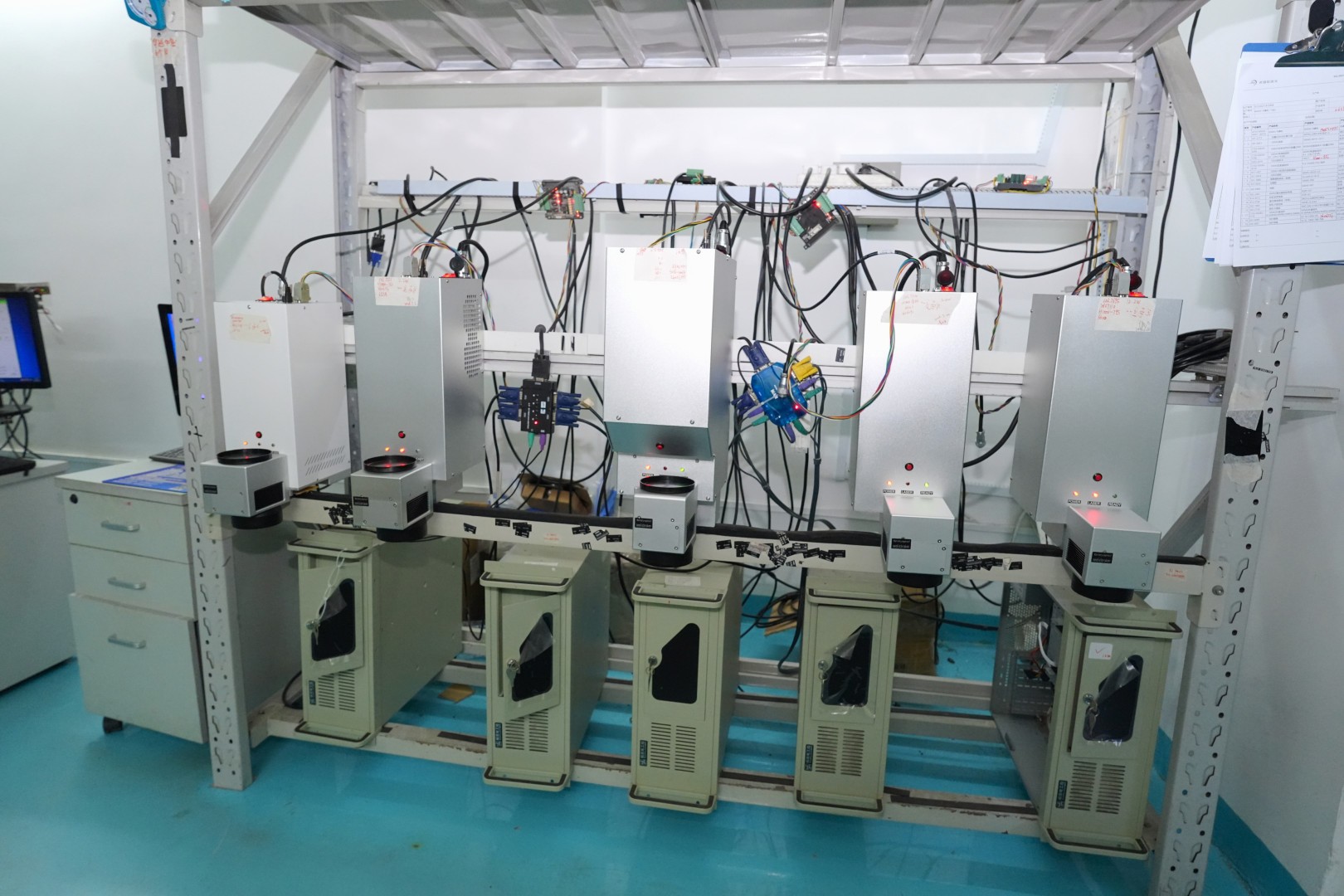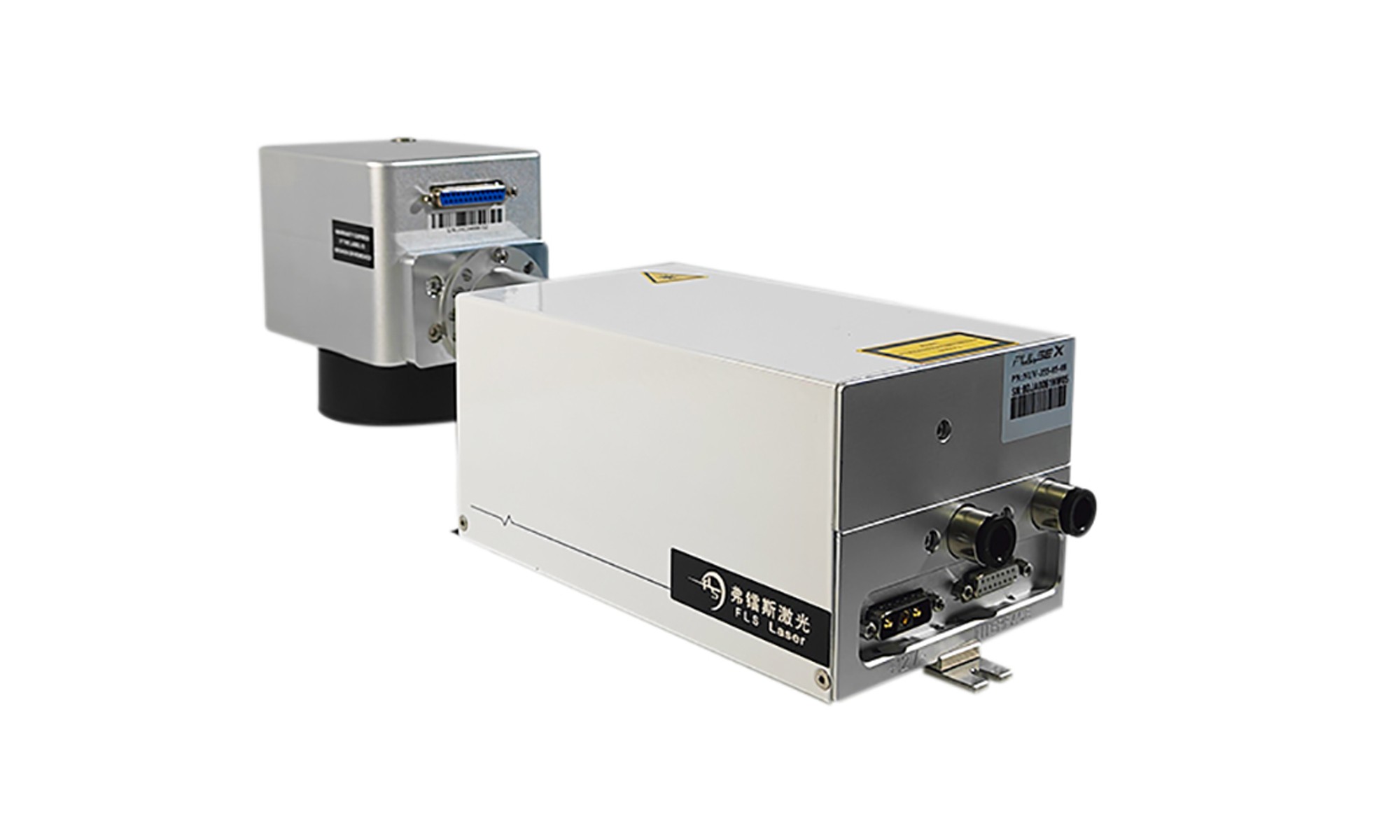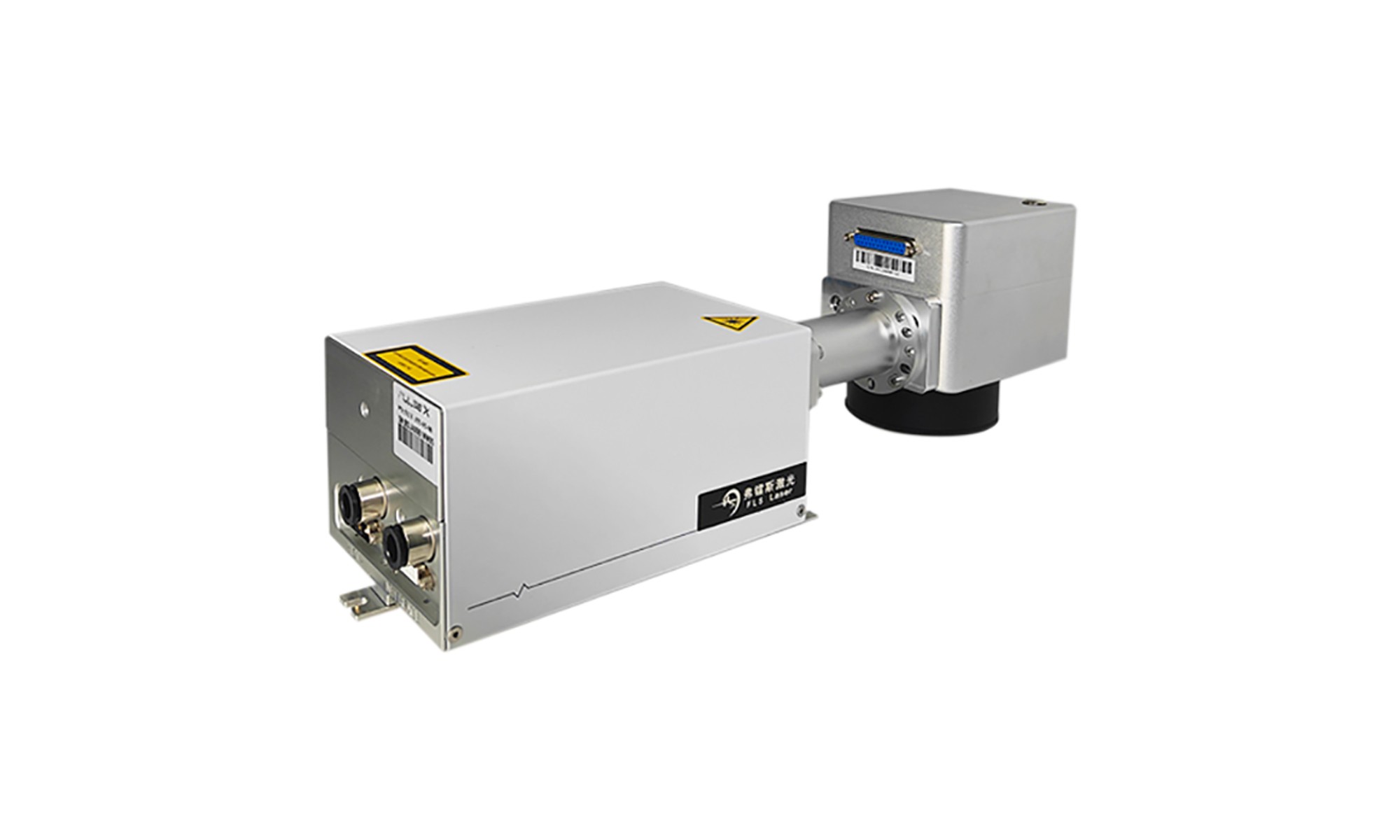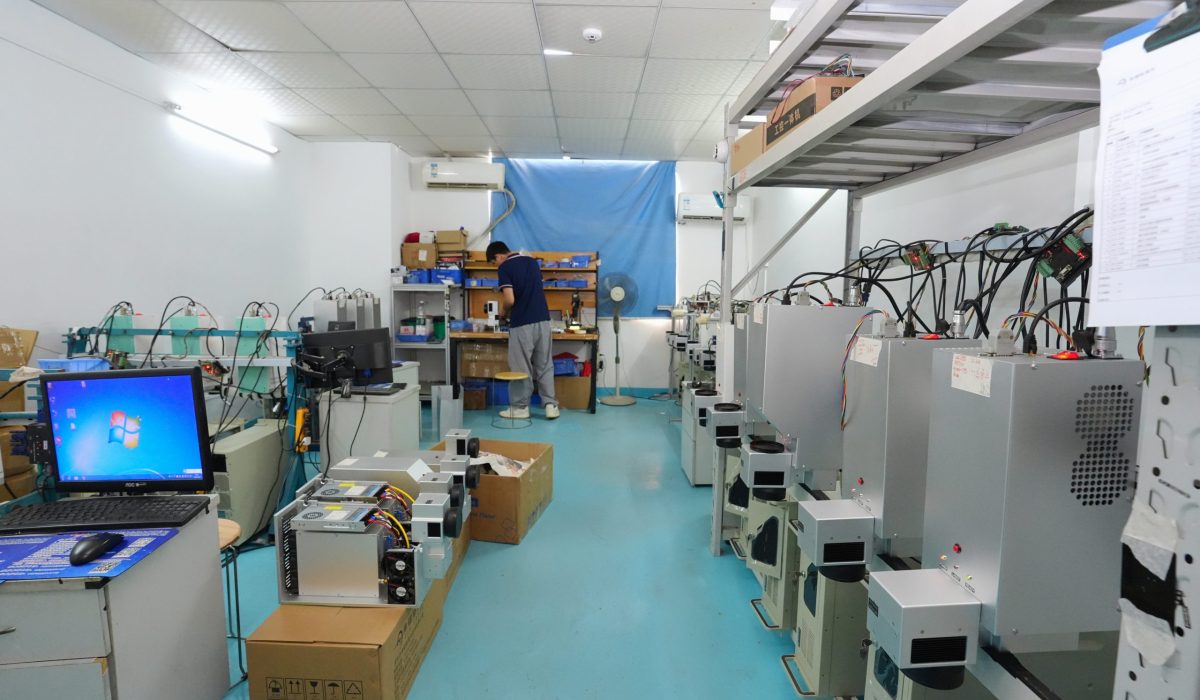
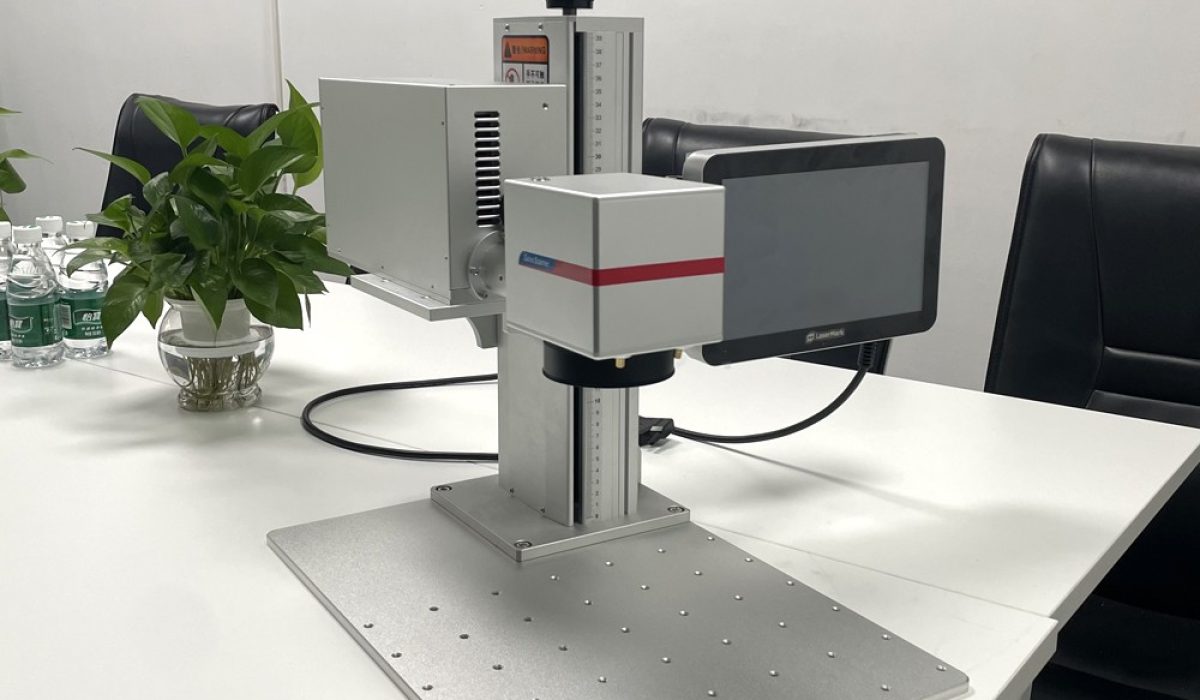
At this end of the range, you are usually already marking metal for a living. The question is no longer “can it mark?” but “how fast, and how deep, at production scale”. 50W vs 100W fiber laser is really a question about how hard your lines push.
What 100W Adds
- Deep engraving in steel and hard alloys in far fewer passes.
- High-speed marking where a 50W machine becomes the bottleneck on a moving line.
- Heavy-duty duty cycle for near-continuous industrial operation.
When 50W Is Enough
- Standard identification marks: logos, part numbers, data-matrix codes.
- Mixed production where speed is not the limiting factor.
- Shops that want industrial reliability without paying for throughput they will not use.
Real-World Throughput Check
The honest test is simple: count marks per hour on your current setup. If adding a 100W machine would double that number and you have demand to fill, it is a straightforward economics question. If your line already runs at the speed of handling, the extra power sits idle.
Supporting Costs to Weigh
100W systems typically need water cooling and more electrical capacity. Budget for that alongside the source, and compare fully configured prices in our fiber laser price guide.
FAQ
Is 100W too powerful for delicate marks? No — lower settings on a powerful source still produce fine marks; you simply gain a wider working range.
Does 100W mean a shorter laser life? Not if it is a quality source run within its rating. Ask for the source brand and warranty.
Compare the step below in 30W vs 50W, or see the full fiber laser marking machine guide. For a throughput-based recommendation, talk to an FLS engineer.
Signature:FLS – Laser Applications Engineer