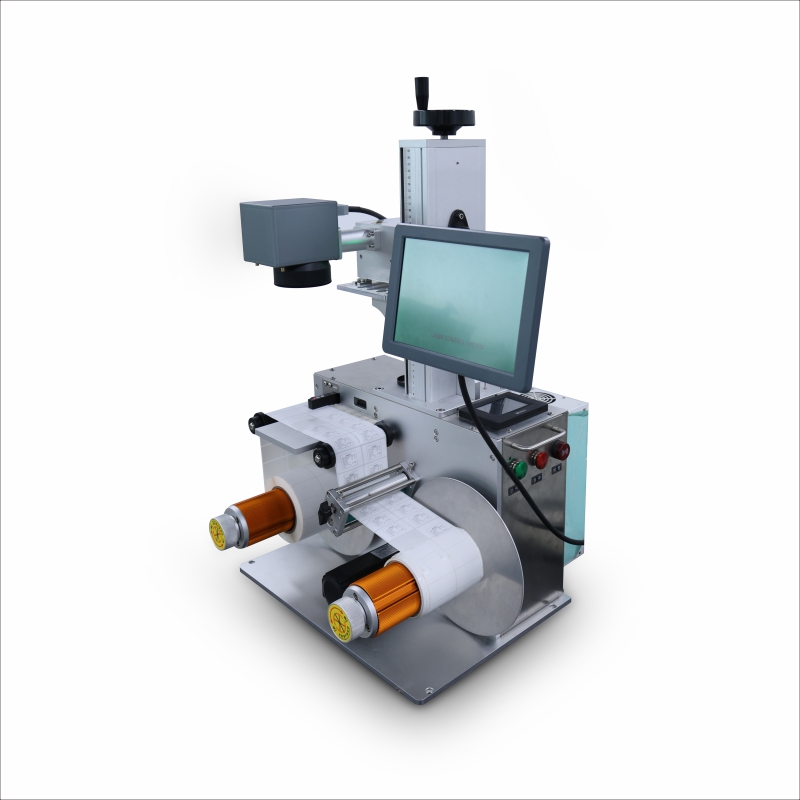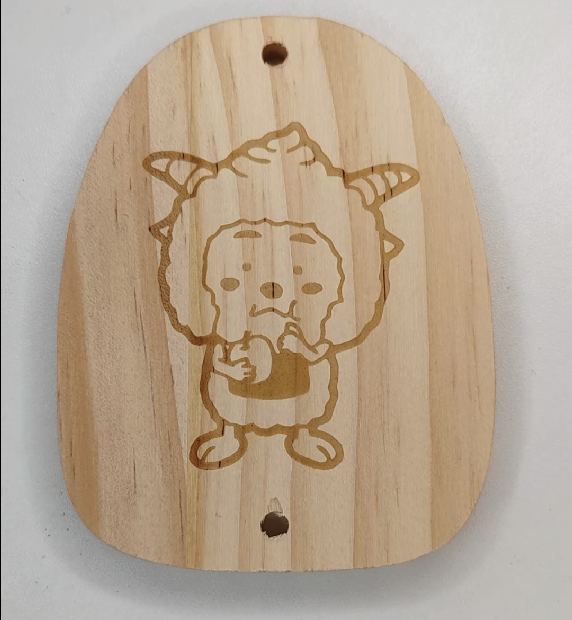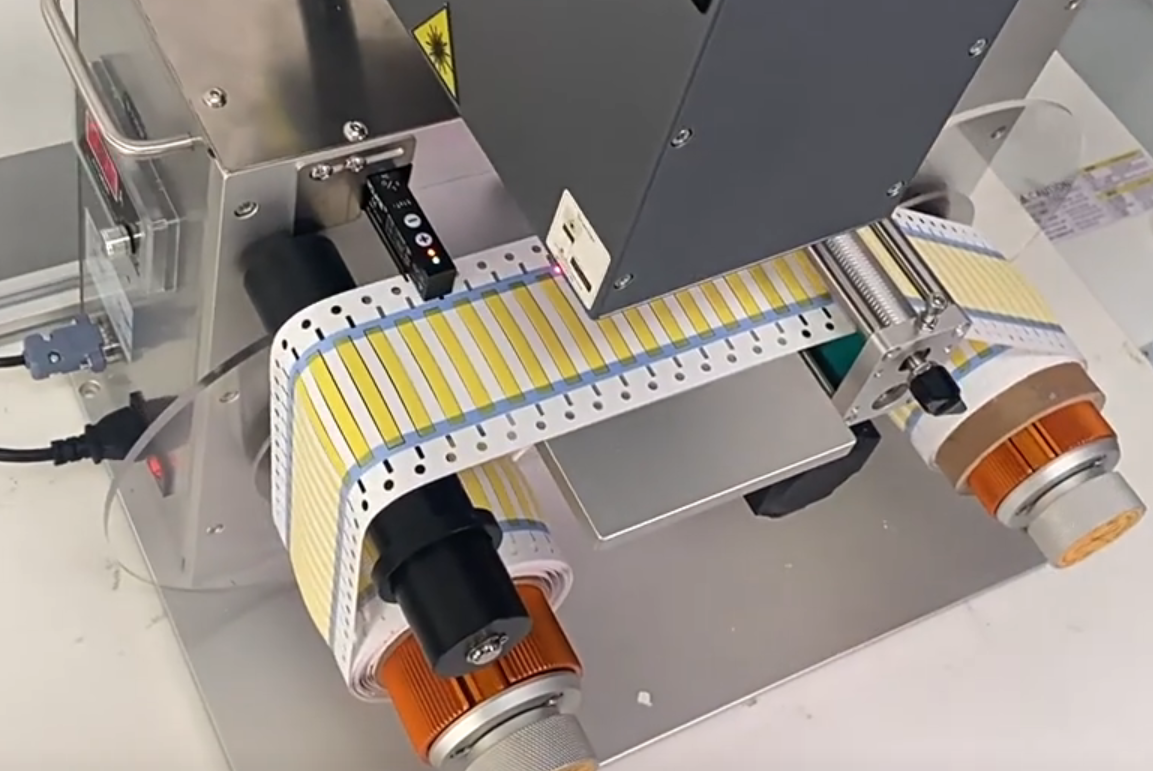
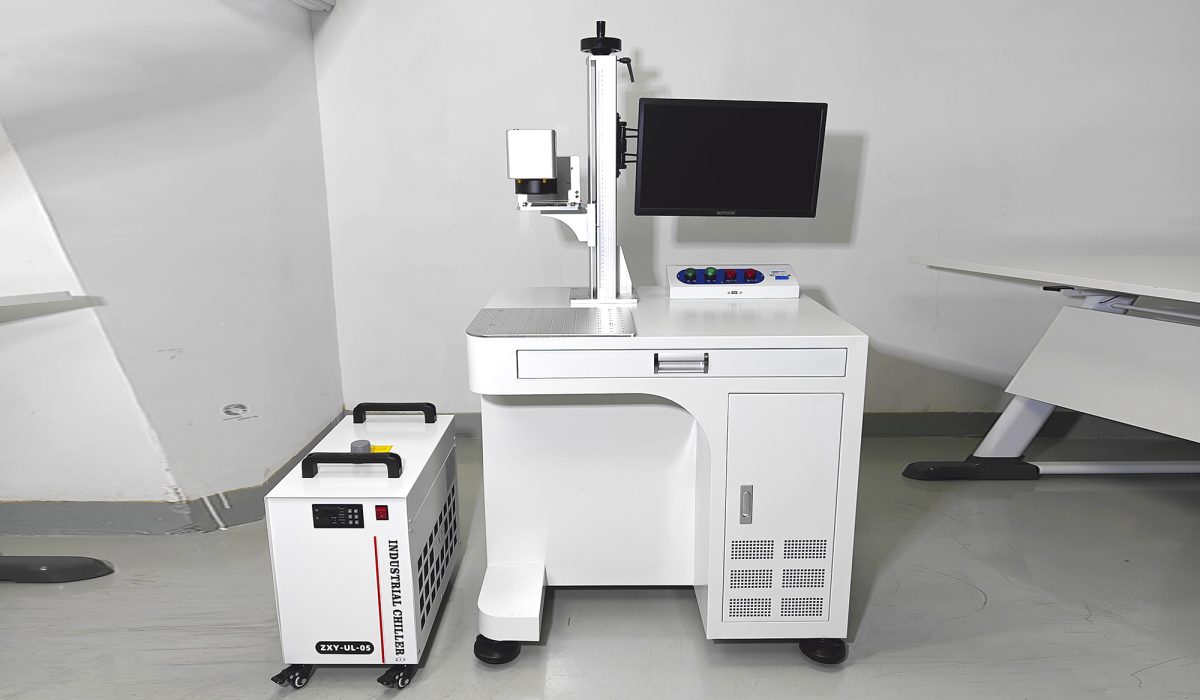
A UV Vision Laser Marking Machine combines a 355nm ultraviolet cold laser source with an integrated industrial camera and intelligent visual positioning system. Unlike traditional UV markers that require precise custom fixtures and manual workpiece alignment, this all-in-one system automatically detects part position, shape, and rotation in real time — then adjusts the laser marking path instantly to deliver perfectly aligned marks every single time. It is the ideal solution for high-precision, high-mix, small-batch production in electronics, medical devices, and precision packaging industries.
In this guide, we explain exactly how a UV vision laser marking machine works, what makes it different from standard UV lasers, its core advantages, typical applications, key specifications to compare, real 2026 pricing, and how to select the right configuration for your production line.
What Is a UV Vision Laser Marking Machine?
A UV vision laser marking machine is an advanced industrial marking system built around three core layers: a 355nm UV cold laser source, a high-speed galvo scanning head, and a fully integrated machine vision module.
Traditional UV laser marking machines require operators to place every workpiece inside a custom fixture with extreme accuracy. If a part shifts even 0.2mm or rotates slightly, the mark will be misaligned, skewed, or printed outside the target area. For small, delicate, or irregularly shaped parts, this approach wastes hours on fixture setup, slows down production, and creates a high rate of defective marks.
The UV vision system eliminates this problem completely. An industrial camera mounted above the working field captures an image of the entire workpiece area. The built-in software instantly recognizes the position, rotation angle, and unique features of every single part — then automatically warps and repositions the pre-programmed marking file to match the actual part position. No manual alignment, no custom fixture, no rework.
This technology turns UV laser marking from a rigid, fixture-dependent process into a fully flexible, intelligent production system. It is especially valuable for manufacturers who run frequent product changes, process irregular parts, or cannot afford even the smallest marking error on high-value components.
If you are upgrading your existing UV marking workflow, our UV Vision Laser Marking Machine product line is designed specifically for zero-fixture, high-precision industrial production.
How Does a UV Vision Laser Marking Machine Work?
The operation of a UV vision laser marking machine follows a simple, fully automated workflow that requires almost no manual intervention after the initial setup.
- Parts Loosely Placed on the Worktable
Operators can scatter parts randomly across the working area. They do not need to align edges, adjust angles, or lock every part into a precise position. This alone cuts loading time by more than half. - Industrial Camera Captures Full Field Image
The high-resolution CCD camera takes a full snapshot of the entire marking area in less than 0.2 seconds. The image is sent directly to the vision processing unit. - Software Detects Part Features Automatically
The vision algorithm identifies pre-trained reference points, contours, holes, or printed patterns on every workpiece. It calculates the exact X offset, Y offset, and rotation angle of each individual part. - Marking File Is Auto-Adjusted in Real Time
The system does not use a fixed marking path. It dynamically transforms the original marking vector file, shifting and rotating it perfectly to match the actual position of each detected part. - UV Laser Executes Ultra-Precise Marking
The 355nm UV cold laser fires and completes the marking process. Because UV light produces an extremely small heat-affected zone, there is almost no thermal deformation, material cracking, or surface discoloration on delicate parts. - All Parts Are Finished in One Cycle
After marking, the operator simply removes the finished batch and loads the next one. There is no need to stop production for re-calibration when switching between different part batches.
The core difference between a standard UV laser and a UV vision model is not the laser itself — it is the intelligence. The vision system gives the machine “eyes and brain”, turning a passive marking device into an active, self-adjusting production station.
Core Advantages of UV Vision Laser Marking Machines
This combination of UV cold processing and visual positioning creates a set of unique benefits that no traditional fiber or standard UV laser system can match.
Zero Custom Fixtures Required
You no longer need to design, machine, store, and replace hundreds of different custom fixtures for different parts. For manufacturers that handle 10, 20, or 50 different SKUs, this eliminates thousands of dollars in fixture cost and weeks of fixture preparation time every year.
Dramatically Reduced Labor Skill Requirement
Even new operators or temporary workers can load parts quickly without special training. The machine does all the alignment automatically. This solves one of the biggest pain points in modern manufacturing: the difficulty of hiring and retaining skilled, experienced marking station operators.
Marking Accuracy Up to ±0.02mm
With vision correction, the final marking position accuracy can reach ±0.02mm. This level of consistency is impossible to achieve manually, even with very expensive precision fixtures. Every single mark lands exactly where it should.
Ultra-Fine Cold Processing Quality
The 355nm UV wavelength creates a tiny focused spot and almost no thermal damage. It can mark extremely fine characters, 2D codes, logos, and patterns on thin plastic films, flexible PCBs, glass wafers, and thin ceramic sheets without cracking, melting, or burning the material surface.
30–80% Higher Production Efficiency
Real production data from electronics and medical device factories shows that UV vision systems can increase overall throughput by 30% to 80% compared to traditional UV machines. The time saved on manual alignment and fixture adjustment directly translates into more parts marked per shift.
Extremely Fast Product Changeover
Switching between different part types no longer requires 10, 20, or 30 minutes of fixture replacement and re-calibration. You simply select the correct vision template file on the screen, and the machine is ready to run in less than 10 seconds. This is a game-changer for high-mix, low-volume production environments.
Perfect Mark Consistency Across All Parts
Even if there are tiny dimensional variations between different batches of incoming parts, the vision system will compensate automatically. There will be no misaligned marks, no skewed logos, and no rejected parts caused by minor incoming part tolerance differences.
Typical Applications
UV vision laser marking machines are not general-purpose universal markers. They are purpose-built for high-value, high-precision industries where marking accuracy, zero thermal damage, and flexible production are non-negotiable requirements.
- Consumer Electronics: Marking logos, serial numbers, and QR codes on phone middle frames, charging ports, camera glass, and plastic buttons.
- PCB & Semiconductor: Marking tiny identification codes on flexible PCBs, IC chips, and wafer-level components without damaging the circuit structure.
- Medical Devices: UDI marking on surgical tools, disposable syringes, catheter parts, and implant components, meeting strict medical industry traceability standards.
- Precision Packaging: Marking anti-counterfeit codes, batch numbers, and expiration dates on cosmetic bottles, pharmaceutical vials, and thin film packaging.
- Optical Components: Marking reference marks and part numbers on lenses, filters, and glass optical parts without cracking or surface distortion.
- Connectors & Wiring Harnesses: Marking tiny identification characters on plastic connectors and pins, even when parts are placed loosely in trays.
- Automotive Electronics: Marking safety-critical electronic components and sensors that cannot tolerate any thermal deformation during processing.
For any production scenario where parts are small, shapes are irregular, batches are mixed, and marking position error cannot be accepted — the UV vision laser marking machine is almost always the best technical solution.
Key Specifications to Compare
When evaluating different UV vision laser marking machines, these specifications will have the largest real-world impact on your daily production performance.
UV Laser Power
Common industrial UV laser power levels are 3W, 5W, and 10W.
- 3W: Best for ultra-fine, shallow surface marking on thin films, glass, and delicate plastic parts.
- 5W: The most popular general-purpose configuration, balancing speed, precision, and material compatibility.
- 10W: For faster marking on thicker materials or when you need slightly deeper UV engraving.
For most electronics and medical applications, 5W UV remains the most cost-effective choice.
Vision Camera Resolution
Camera resolution directly determines how small a reference feature the system can reliably detect.
- 5MP: Standard industrial configuration, suitable for most general part positioning tasks.
- 12MP: High-precision option, required when you need to detect very small reference holes or micro patterns.
A low-resolution 2MP camera will struggle to reliably locate tiny features, leading to occasional missed detections and production interruptions.
Working Field Size
Common vision marking areas are 100×100mm, 150×150mm, and 200×200mm. Larger fields let you process more parts in one batch, but will slightly reduce the finest achievable positioning accuracy.
Positioning Accuracy
Top-tier UV vision systems deliver ±0.02mm positioning accuracy. Standard entry-level systems are usually around ±0.05mm. If your application requires ultra-precise mark alignment, make sure the spec sheet clearly states the final vision-corrected accuracy, not just the basic galvo accuracy.
Vision Template Training Speed
How long does it take to train a new part template? On a good system, you can teach a new part shape in 30 to 60 seconds. On poorly optimized systems, template setup can take several minutes. This difference directly affects how quickly you can switch between different products.
Supported Marking Formats
The system should support standard industrial file types including AI, DXF, PLT, BMP, JPG, PDF, and common 2D code formats such as Data Matrix, QR Code, and Barcode. It should also support automatic data variable marking for serial numbers and batch codes.
2026 Real Price Ranges
UV vision laser marking machines are more complex than standard UV markers, so their pricing naturally reflects the added vision hardware and software development cost.
表格
| Configuration | Entry Level | Mid-Range | High-End Industrial |
|---|---|---|---|
| 3W UV + Basic Vision | 5,000–7,500 | 7,500–11,000 | 11,000–16,000+ |
| 5W UV + Industrial Vision | 6,500–9,500 | 9,500–14,000 | 14,000–20,000+ |
| 10W UV + High-Precision Vision | 9,000–13,000 | 13,000–18,000 | 18,000–28,000+ |
The biggest hidden cost of buying a low-cost UV vision system is not the machine itself. It is the production downtime caused by unreliable vision detection, frequent false detections, and poor software stability. In high-value electronics or medical production, one hour of unexpected downtime can easily cost more than the price difference between an entry-level unit and a trusted industrial-grade system.
A properly configured UV vision laser marking machine usually delivers full return on investment within 12 to 24 months. The savings on fixture cost, labor reduction, and scrap reduction alone often cover the extra investment in less than one year.
How to Select the Right UV Vision Laser Marking Machine
Follow these six practical steps to avoid common purchasing mistakes:
- Confirm your most frequently processed material first — this will tell you if you need 3W, 5W, or 10W UV power.
- Define your minimum required marking accuracy — if your tolerance is below ±0.05mm, you will need a 12MP camera and high-precision model.
- List all the different part types you need to process — this tells you what working field size and vision detection flexibility you need.
- Test your actual parts before buying — send your real workpiece to the supplier and watch the full vision positioning and marking process live.
- Check how easy it is to train a new part template — if the workflow is too complicated for your operators, the machine will never reach its full potential.
- Evaluate long-term after-sales support — vision software needs occasional updates and remote troubleshooting. A supplier without strong software support will leave you stuck later.
Not sure which configuration matches your parts and production requirements? Send us your sample workpiece, and our UV laser engineers will run a full free vision marking test and send you back the complete result video.
Why Choose Shenzhen FLS Laser UV Vision Systems?
Shenzhen FLS Laser has more than 12 years of experience designing and building industrial UV laser marking solutions for global high-precision manufacturing customers.
- All UV vision systems use top-tier brand UV laser sources and industrial grade CCD cameras.
- Positioning accuracy reaches ±0.02mm, stable and repeatable in 24/7 continuous production.
- New part template training can be completed in 30–60 seconds by your own operators.
- Full CE, FDA, and ISO certification, meeting export regulatory requirements for electronics and medical industries.
- 2-year full machine warranty, lifetime software updates, and permanent remote technical support.
- Free sample test service: send us your parts, we run full vision marking and send you back video and photos for free.
- Custom integration available: we can connect the UV vision system directly to your existing production line, conveyor belt, or automatic tray handling system.
Frequently Asked Questions
Q: Can the vision system detect parts that are rotated at any angle?
A: Yes. The system supports full 360-degree rotation detection and automatic marking path correction. Parts can be placed in any orientation.
Q: What if parts have slight surface color differences or minor oil stains?
A: The algorithm supports pre-trained feature detection, not just simple color matching. It can still locate the reference position reliably under normal industrial workshop conditions.
Q: Can I still use the machine in normal manual mode if I don’t need vision sometimes?
A: Yes. You can switch between vision marking mode and standard fixed-position marking mode at any time.
Q: How long does it take to learn to operate the UV vision system?
A: Basic operation can be mastered in about 2 hours. FLS Laser provides full video training and remote online guidance.
Q: Can this system mark Data Matrix and QR codes automatically?
A: Yes. It supports automatic variable serial number marking and 2D code generation, fully synchronized with the vision positioning correction.
Ready to upgrade your UV marking process and eliminate all custom fixtures? Contact Shenzhen FLS Laser today for a free UV vision marking test and custom configuration recommendation.
Related Articles:Laser Marking Machine: The Complete Buyer’s Guide for 2026