1. Product Overview & SEO Optimized Description
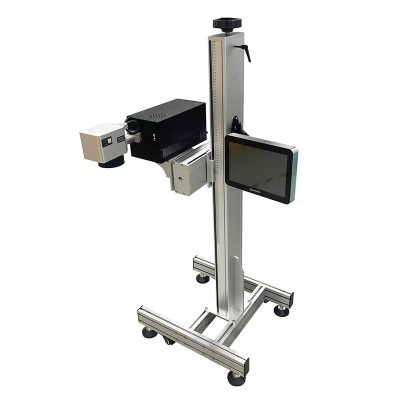
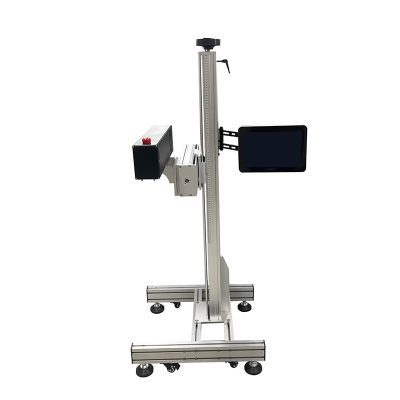
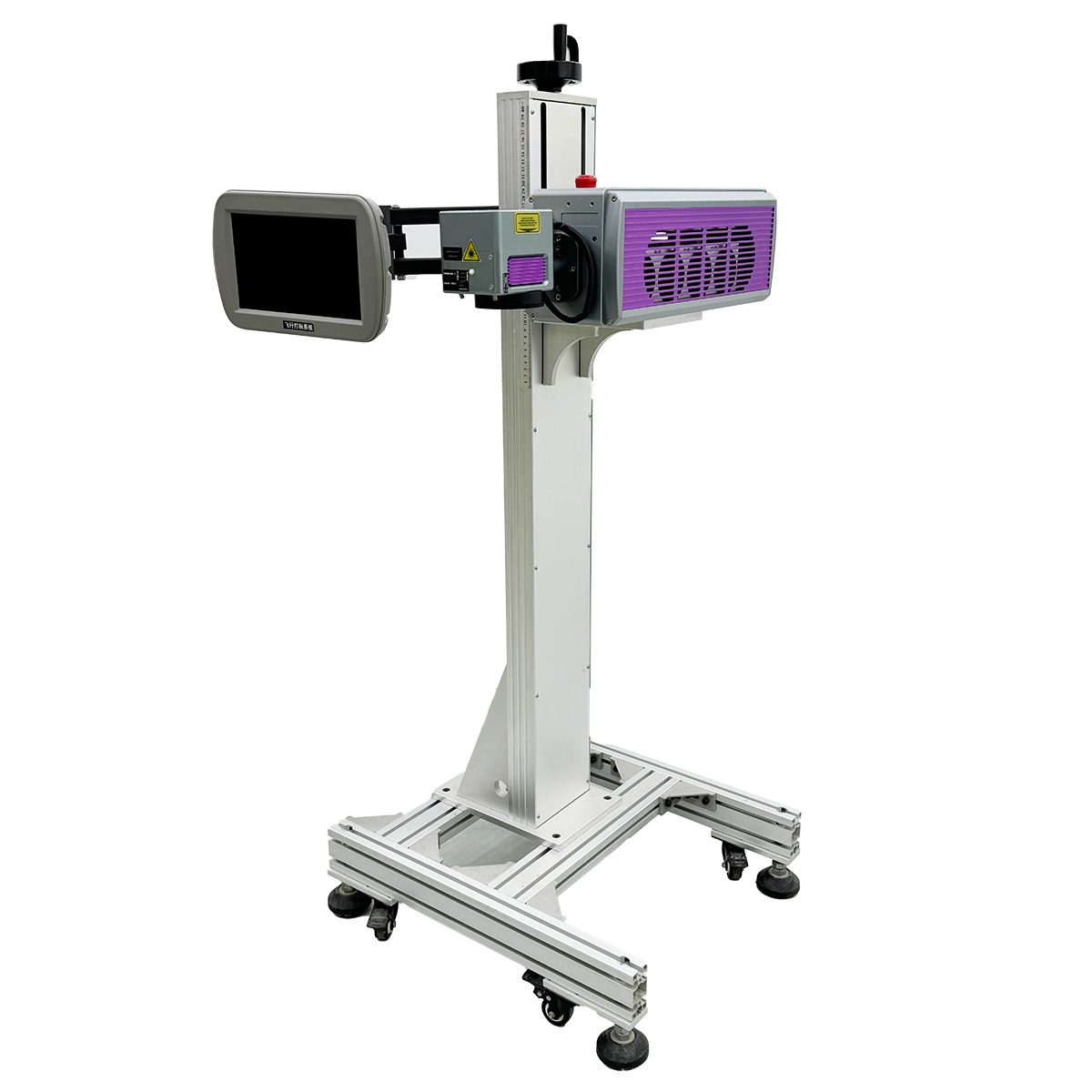
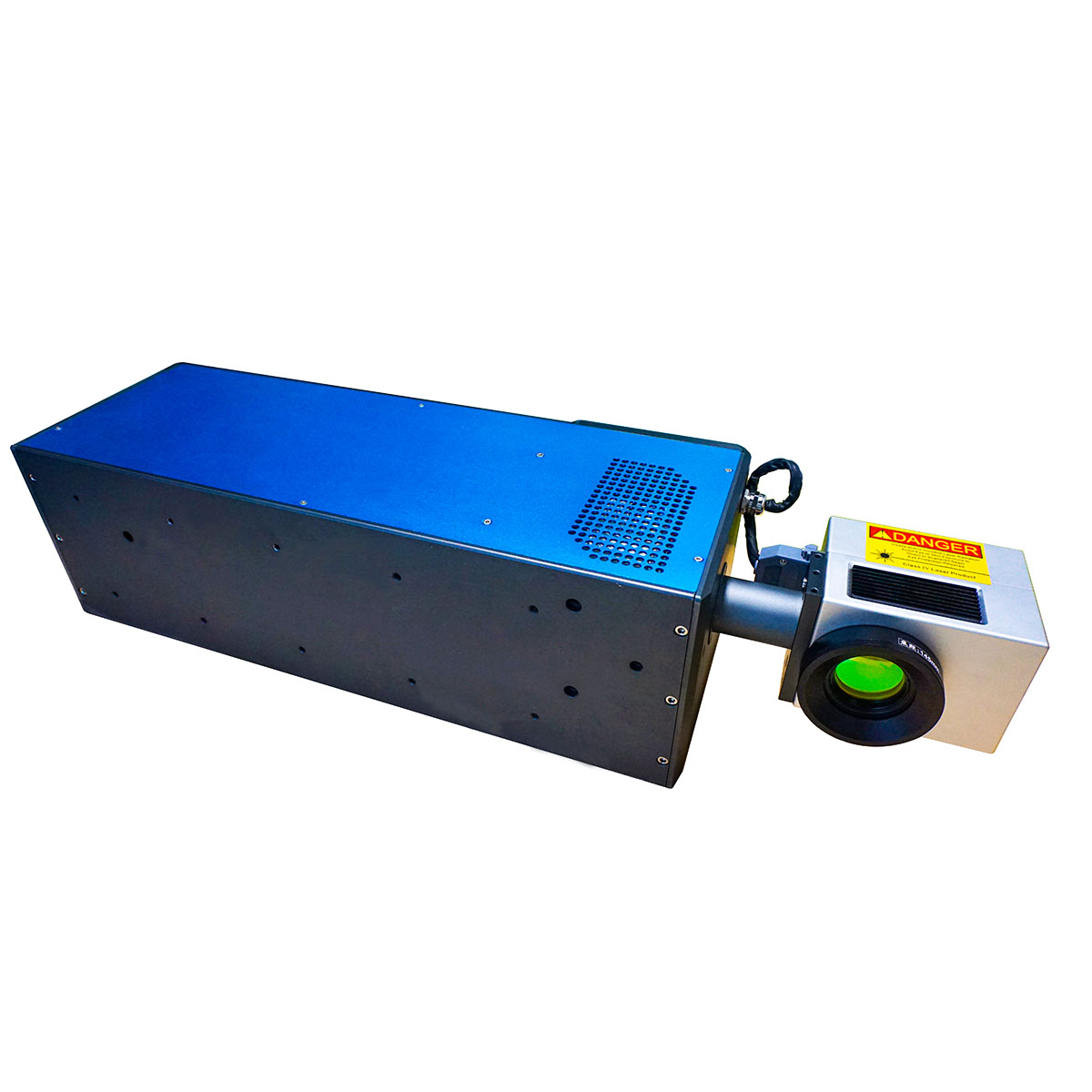
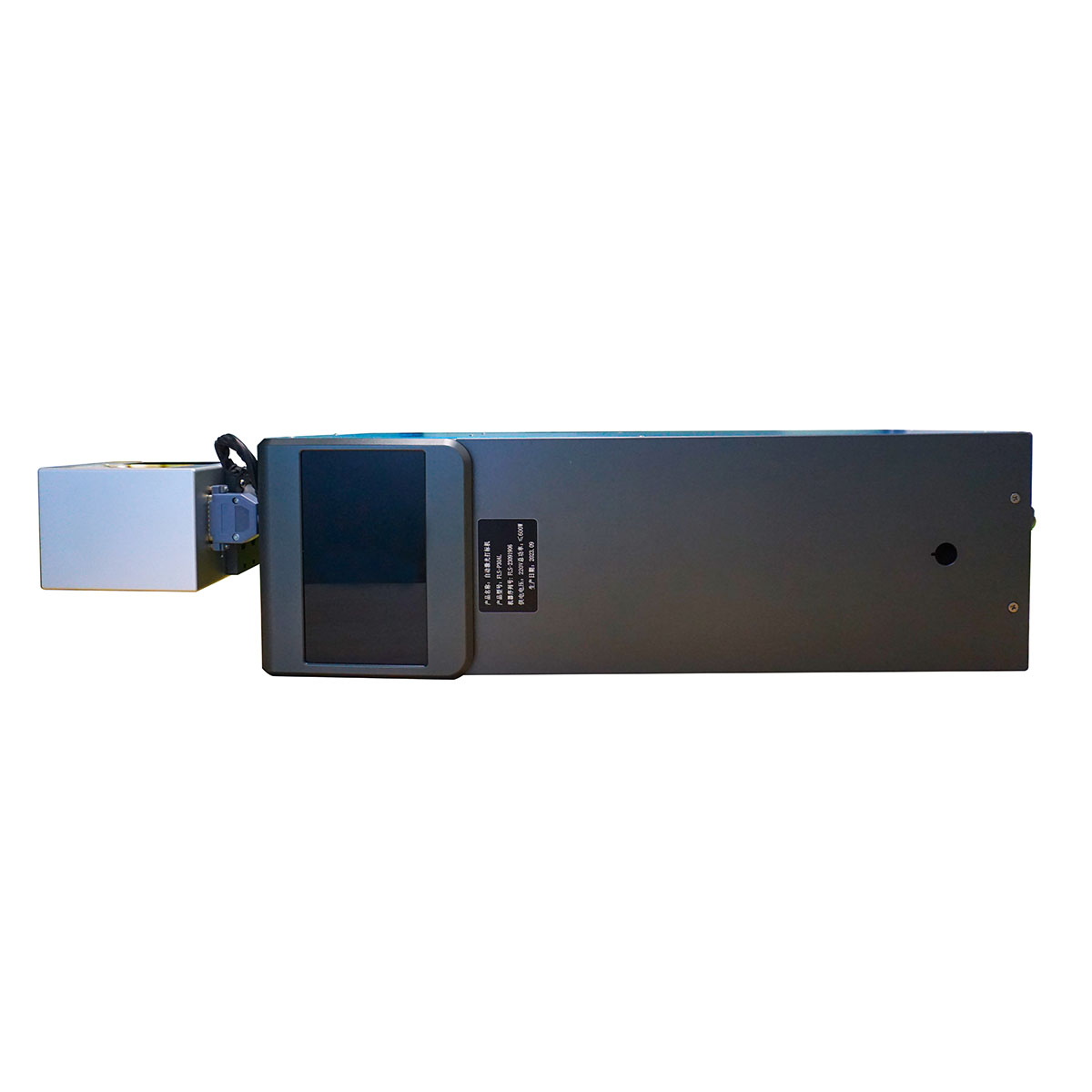
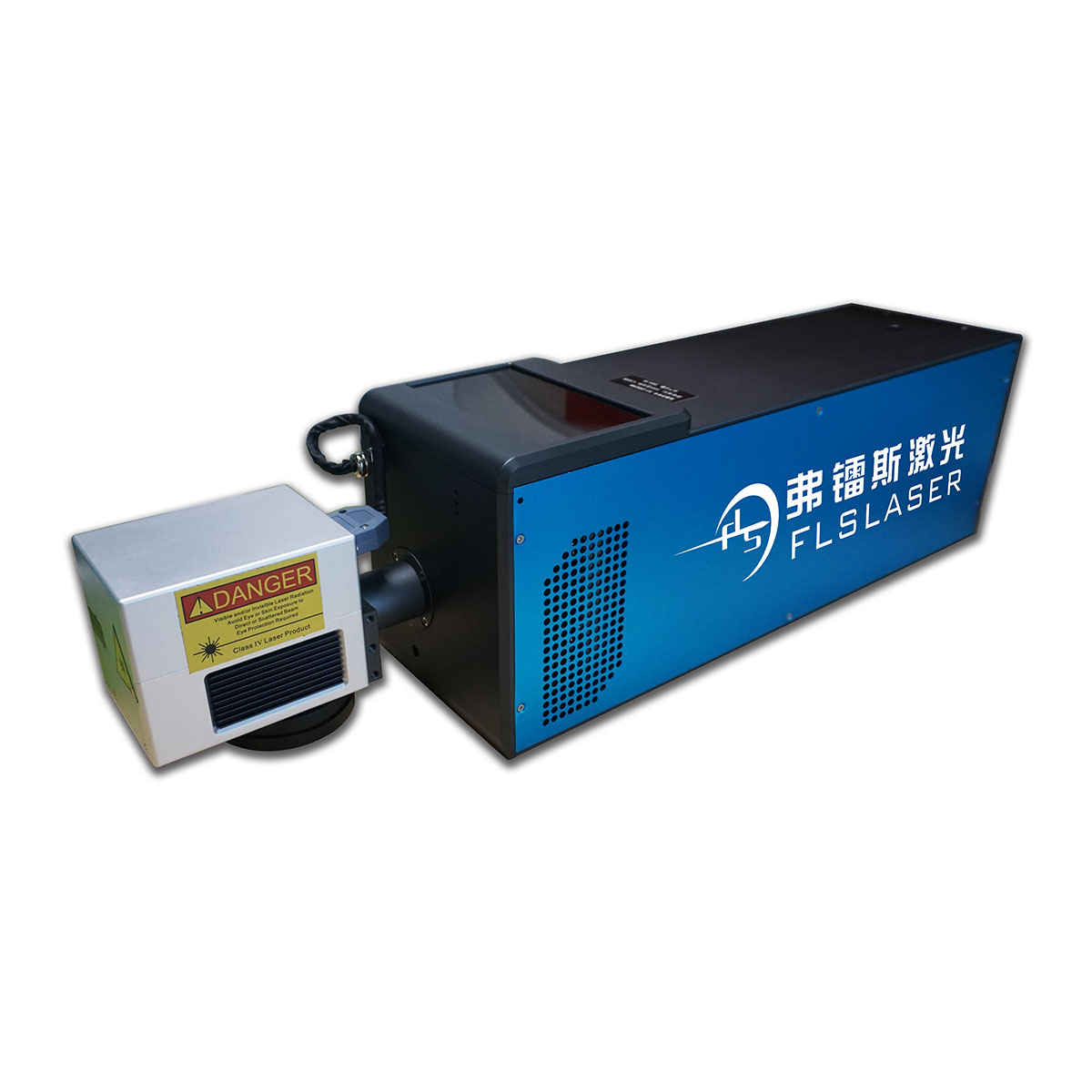
The CO2 Laser Marking Machine is a high-speed industrial laser coding solution designed for online production lines.
As professional CO₂ laser coders, on-the-fly flying laser marking machines and industrial laser coding systems,the equipment adopts CO₂ laser technology to deliver high-speed, high-definition and permanent product marking.
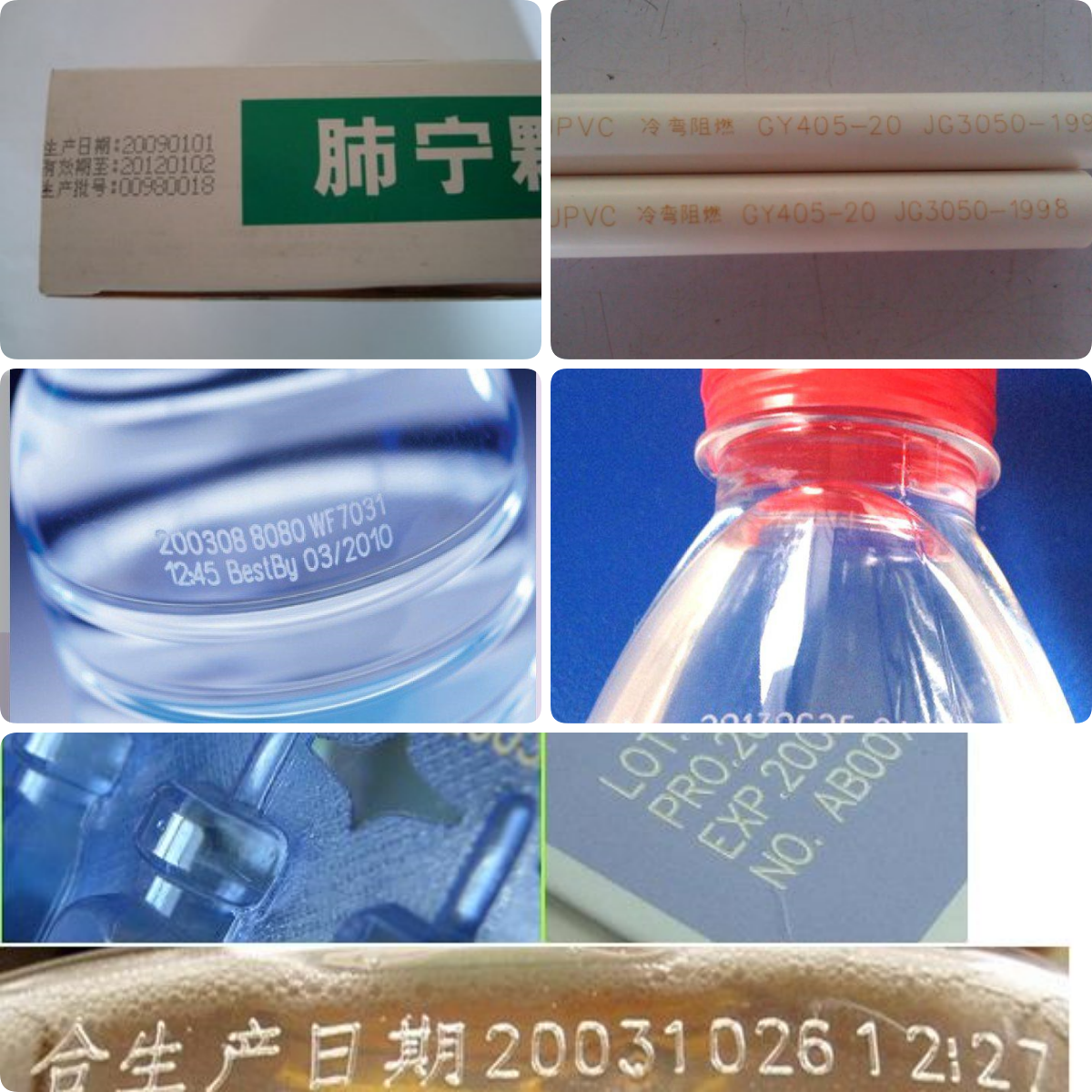
Widely used for laser marking on plastics, PET materials and PVC laser engraving, as well as laser coding for packaging, cartons and bottle surfaces.
2. Main Advantages
• High-speed online marking: Suitable for automated production lines.
• Permanent marking: No ink consumption, maintenance cost reduction.
• High-definition engraving: sharp characters with stable readability.
• Wide material compatibility: Plastic, paper, wood, glass, acrylic, PET, PP, PVC and other non-metal materials.
• Intelligent control: Easy operation and support for MES/production line integration.
3. Application Industries
Electronics industry: PCB boards, electronic components, semiconductor packaging.
Cable industry: Wire, cable, optical fiber marking.
Packaging industry: Cartons, plastic packaging, labels and flexible packaging.
Medical industry: Medical devices, medicine boxes, pharmaceutical packaging.
Food and beverage industry: Bottles, food packaging, product traceability.
Customized applications: Plastic parts, wood products, glass products and industrial components.
4. Typical Marking Materials
Paper, cardboard, wood, bamboo products, leather, fabric, PVC, PET, PP, PE, acrylic, plastic, rubber, ceramic, glass, packaging film, bottle caps, cables and organic materials.
5. Simple Test Video
5. Case