Industry Background
With the rapid development of new energy, automotive, electronics, medical devices and precision manufacturing industries, manufacturers require higher welding quality, efficiency and consistency. Traditional welding methods face challenges including significant heat-affected zones, deformation, high labor dependency and inconsistent quality.
Traditional Welding Challenges
- Large heat-affected areas can cause product deformation.
- Manual welding depends heavily on operator experience.
- Small, high-precision components are difficult to weld consistently.
- Growing aesthetic requirements for weld seams increase the cost of conventional post-weld finishing.
- Labor costs continue to rise in high-volume production.
- New materials require more advanced welding technologies.
Customer Requirements
Manufacturers need a welding solution with:
| Requirement | Description |
|---|---|
| High precision | Accurate welding of small, geometrically complex components |
| High efficiency | Faster cycle time and higher throughput |
| Low deformation | Reduced heat input and minimized distortion |
| High consistency | Stable and repeatable weld quality |
| Easy automation integration | Seamless connection with existing production lines |
Our Solution
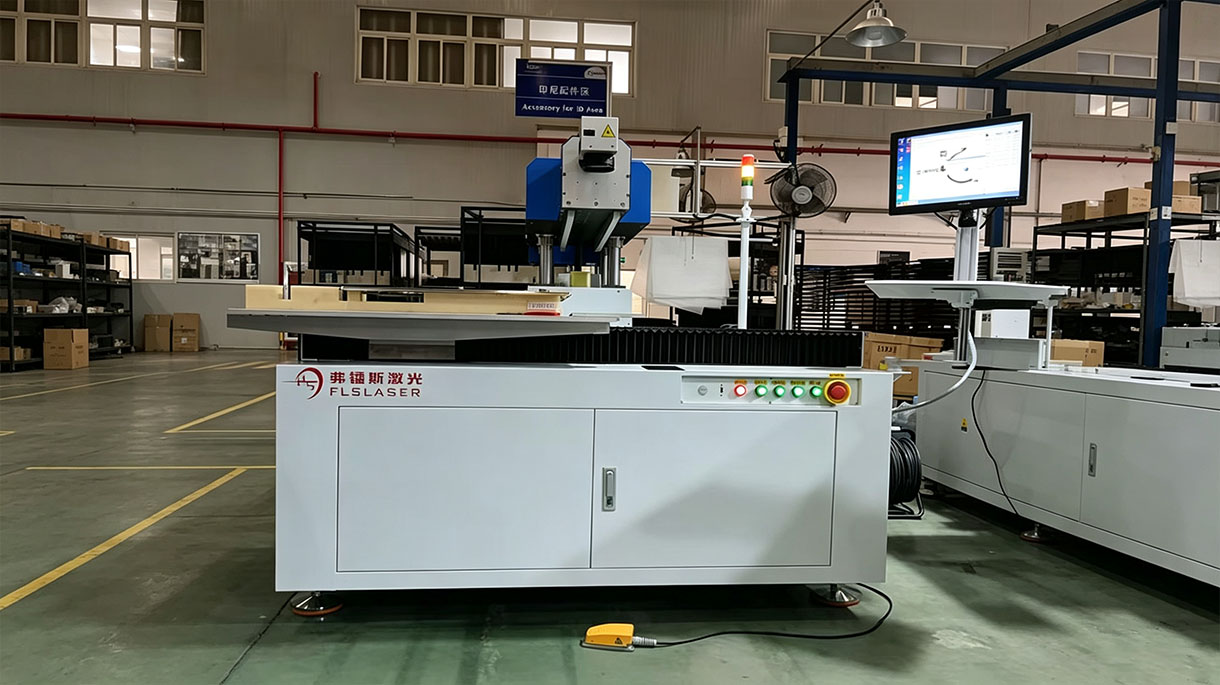
FLS laser welding machines utilize high-energy-density laser beams, with precise control over heat input to achieve fast, stable and high-quality welding performance.
Key Advantages
- High Precision Welding — Focused laser energy enables accurate welding on small, complex components.
- Low Heat Input and Less Deformation — Compared with traditional welding methods, laser welding offers more concentrated energy control, reducing heat-affected zones and minimizing deformation.
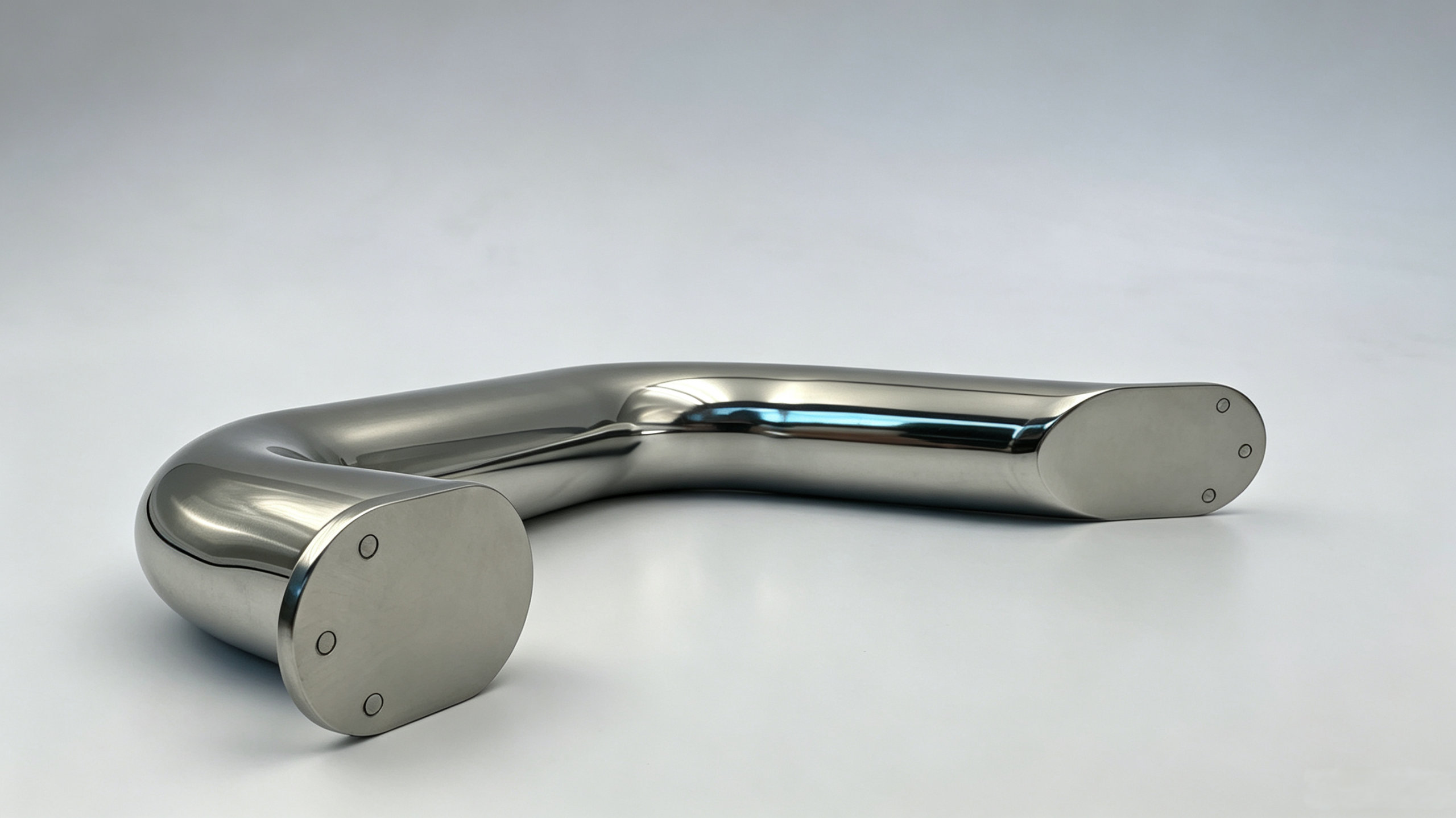
- Excellent Weld Appearance — Stable, clean weld seams reduce the need for polishing and additional finishing.
- High Production Efficiency — Fast welding speed improves production capacity and manufacturing efficiency.
- Strong Automation Capability — Laser welding systems can integrate with robots, production lines and vision systems.
- Wide Material Compatibility — Suitable for stainless steel, aluminum alloys, copper alloys, titanium alloys and other metals.
- Stable Quality with Reduced Labor Dependence — Automated laser welding improves consistency and reduces variations caused by manual operation.
Applications
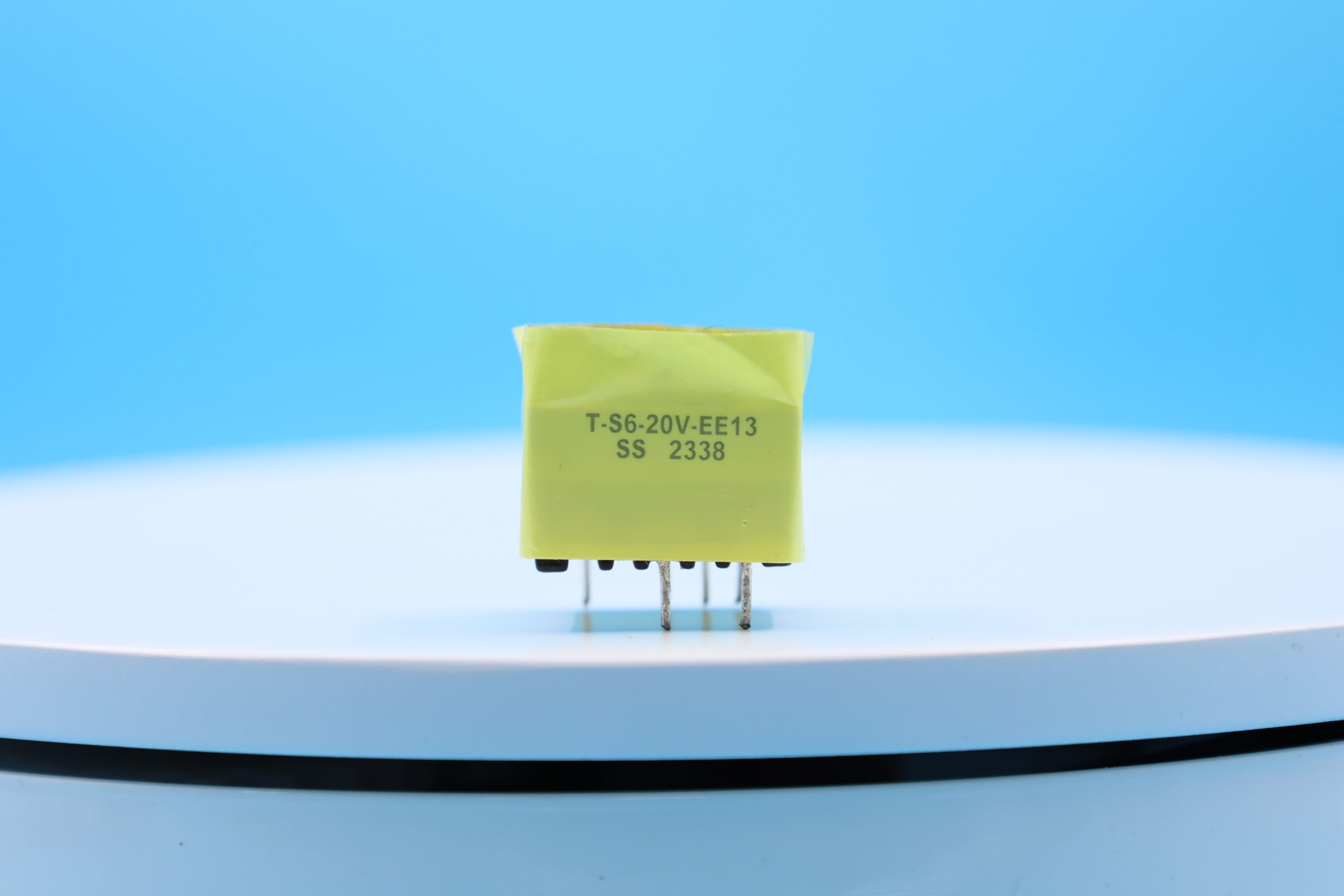
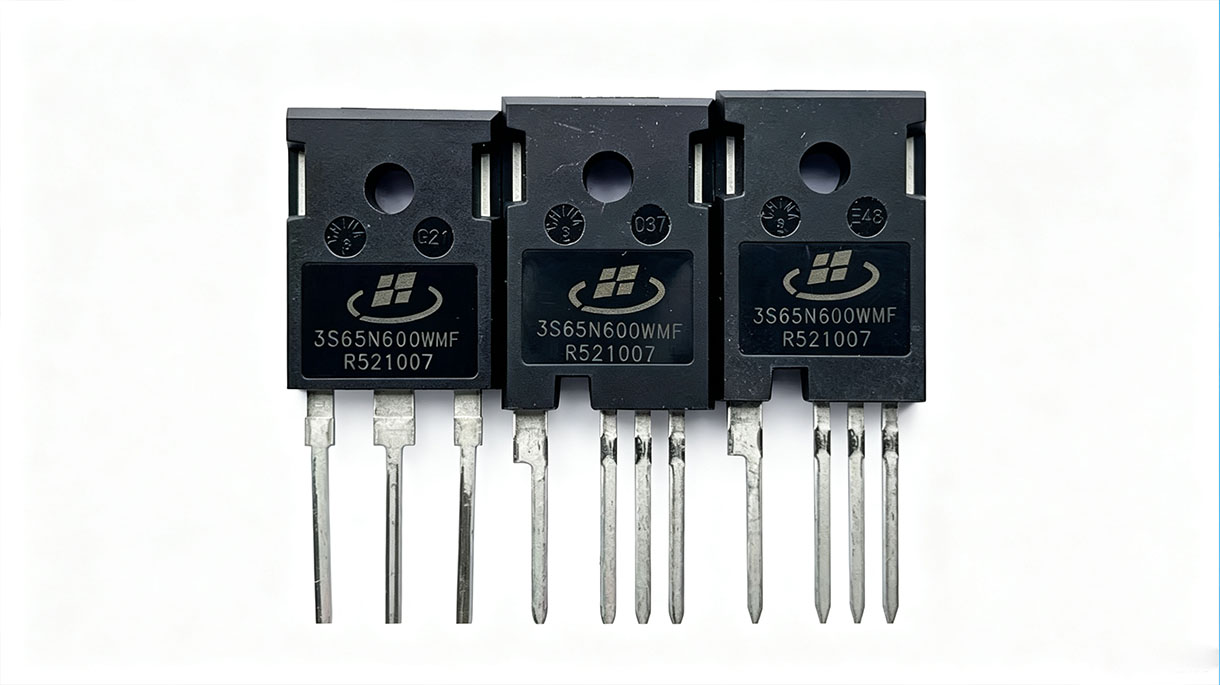
- New energy battery components
- Automotive parts
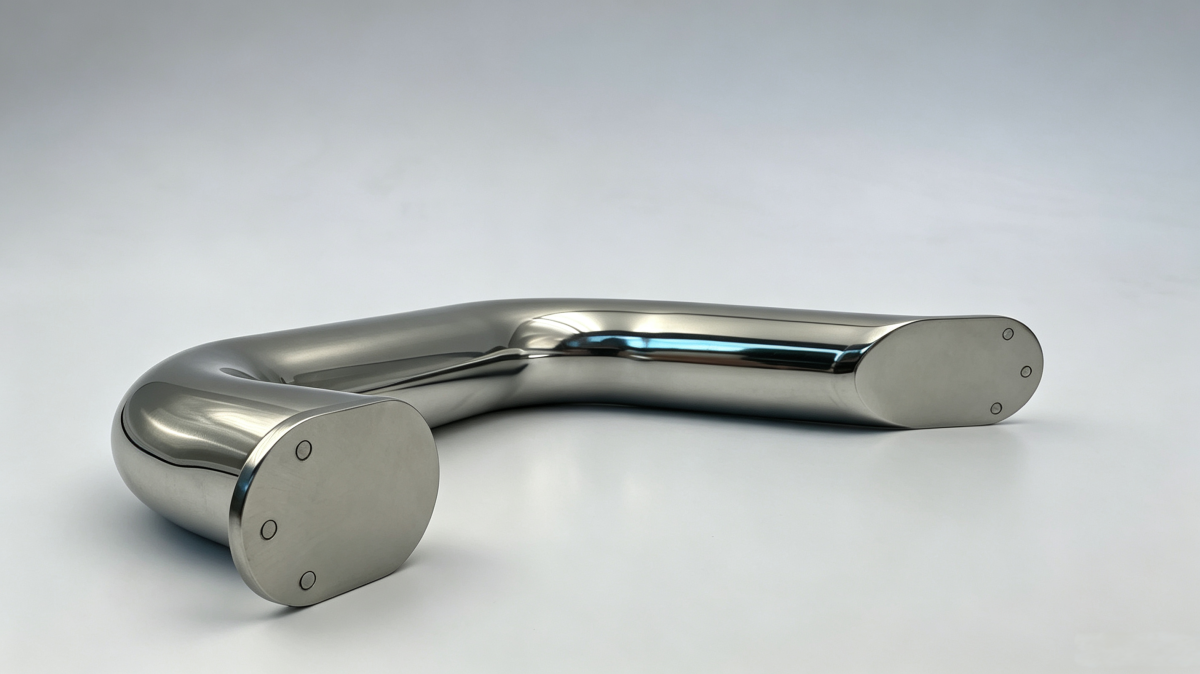
- Metal fabrication
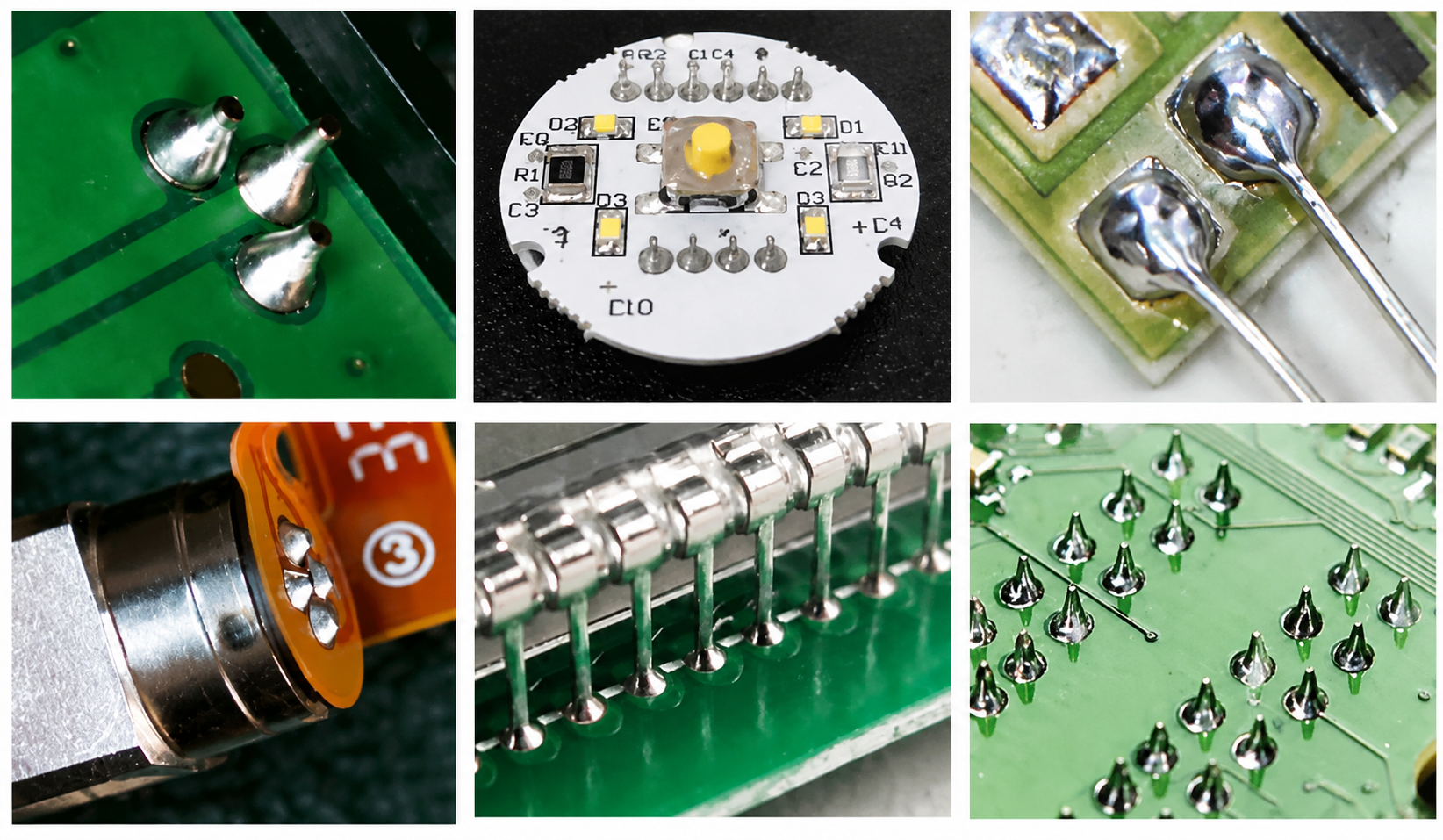
- Electronic components
- Medical devices
- Precision machinery
Conclusion
Laser welding technology is becoming an essential process in advanced manufacturing. By delivering precise energy control, higher efficiency and superior welding quality, laser welding machines help manufacturers reduce costs and move toward intelligent, automated production.
Related solutions:Replacing Traditional Soldering Limitations with High-Precision Laser Soldering Solutions