Industry Background
As electronic products become smaller, more compact and more reliable, industries such as consumer electronics, automotive electronics, semiconductors, medical devices and new energy require advanced soldering technologies.
Challenges of Traditional Soldering
- Tip-soldering relies on operator experience, making consistent welding quality hard to guarantee.
- Mini-sized components have confined space, where conventional tools cannot deliver precise processing.
- High-temperature contact may damage adjacent sensitive components.
- Welding efficiency is limited by manual operation and fails to meet automated production requirements.
- Different products require distinct process parameters, resulting in long change-over and adjustment time.
Customer Requirements
Manufacturers need a soldering solution with:
| Requirement | Description |
|---|---|
| High precision | Precise processing on small and complex components |
| Low thermal impact | Minimal heat exposure to surrounding components |
| High consistency | Stable and repeatable soldering quality |
| Easy automation integration | Seamless integration with production lines |
| Flexible application capability | Adaptable to varied products and processes |
Our Solution
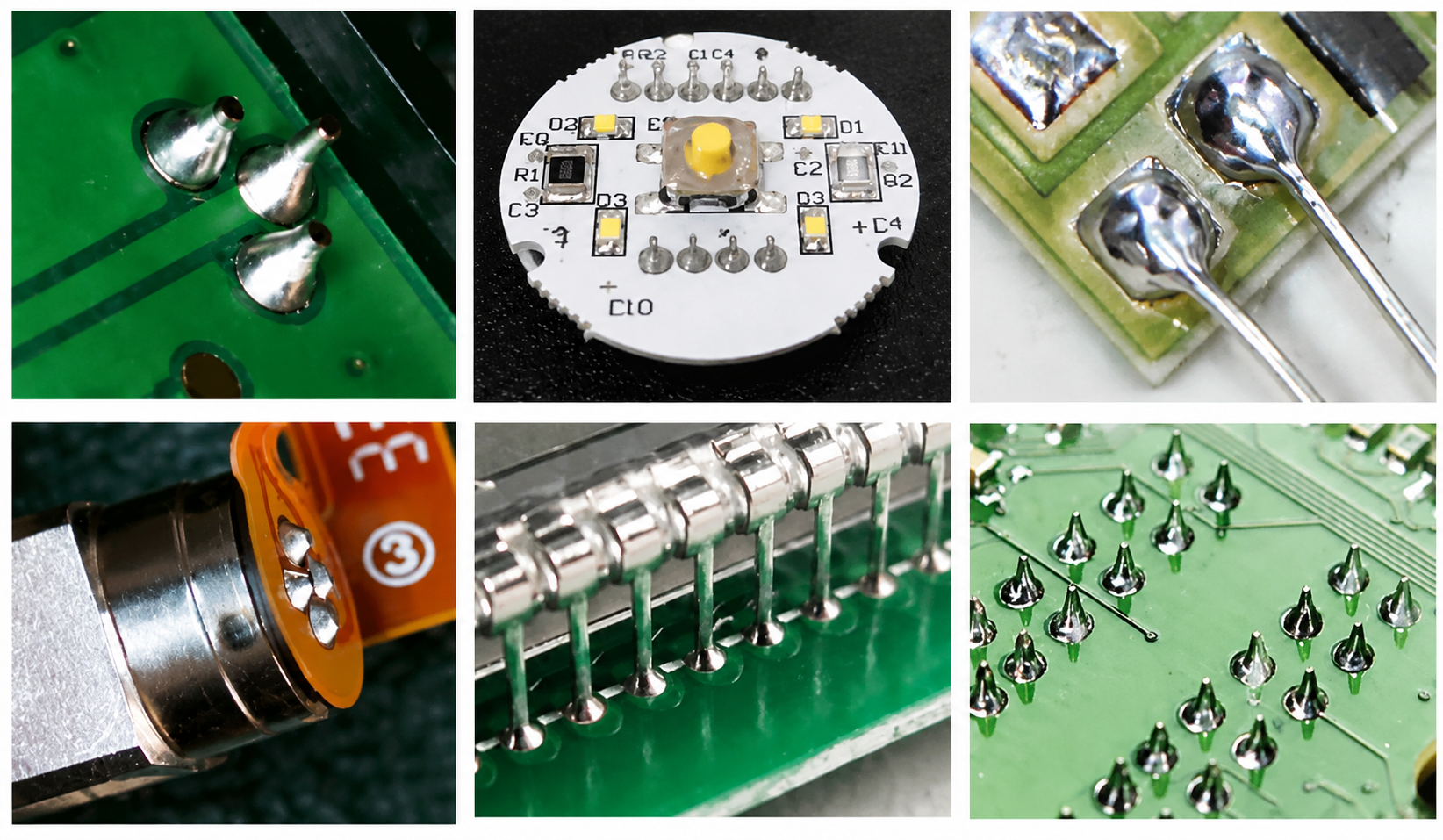
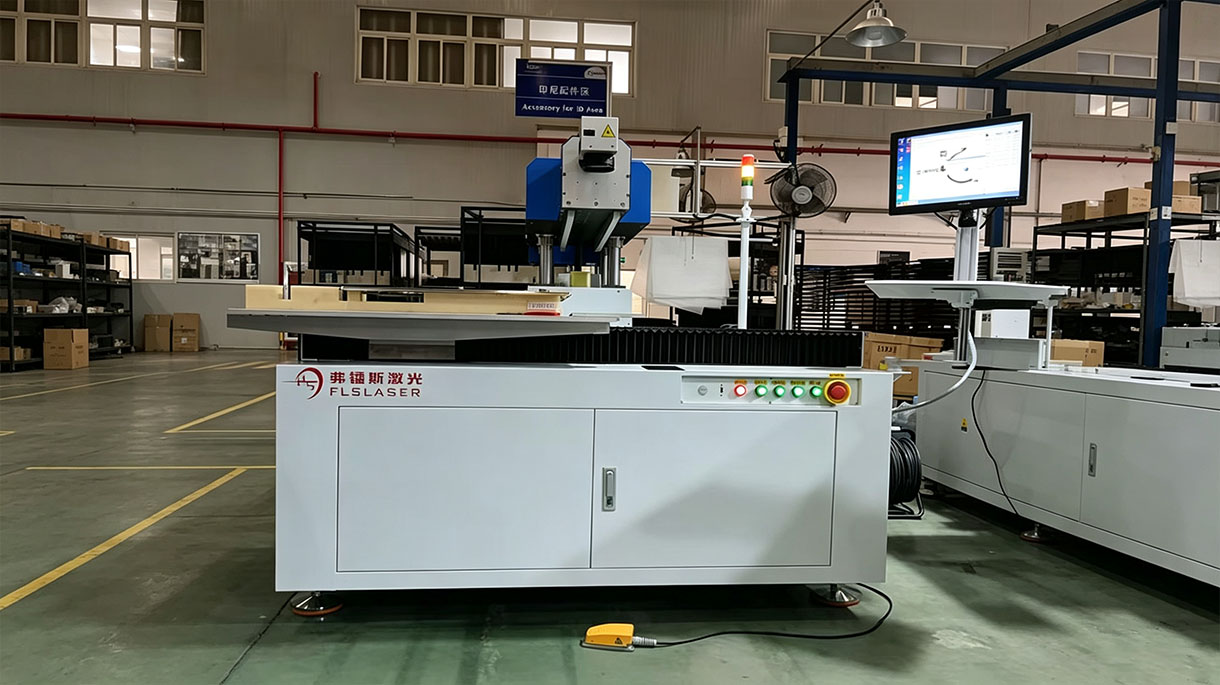
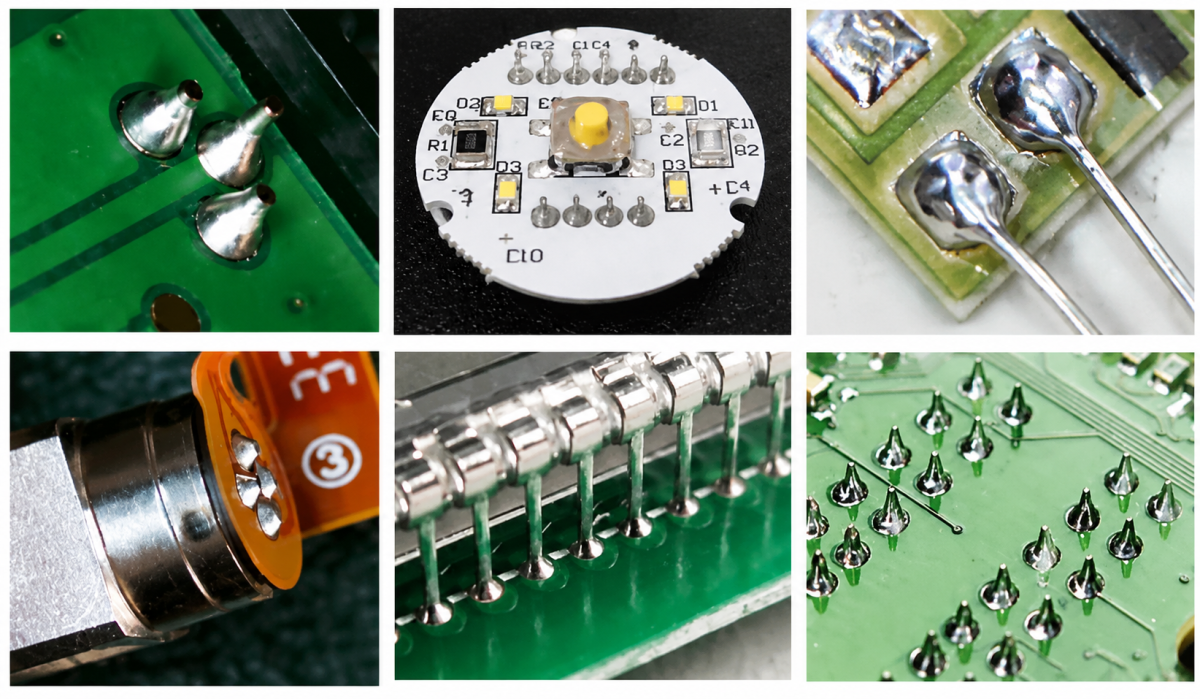
FLS LASER laser soldering systems use precise laser energy control technology to achieve non-contact soldering with accurate heating, fast processing and stable quality.
Key Advantages
- Non-contact Soldering Reduces Product Damage — Laser energy is directly applied to the soldering area without physical contact, reducing mechanical stress and operator influence.
- Precise Heat Control with Low Thermal Impact — Focused laser energy minimizes heat exposure to surrounding sensitive components.
- Stable and Consistent Soldering Quality — Digital control of laser power, time and movement ensures repeatable results in mass production.
- Ideal for Micro Components and Complex Structures — Laser soldering reaches areas that are difficult for traditional soldering tools.
- Improved Production Efficiency — Laser soldering reduces manual steps and improves manufacturing cycle time.
- Easy Integration with Automation Systems — Can be integrated with robots, vision systems and production lines for smart manufacturing.
- Reduced Dependence on Skilled Operators — Automation improves production stability and reduces variation caused by manual operation.
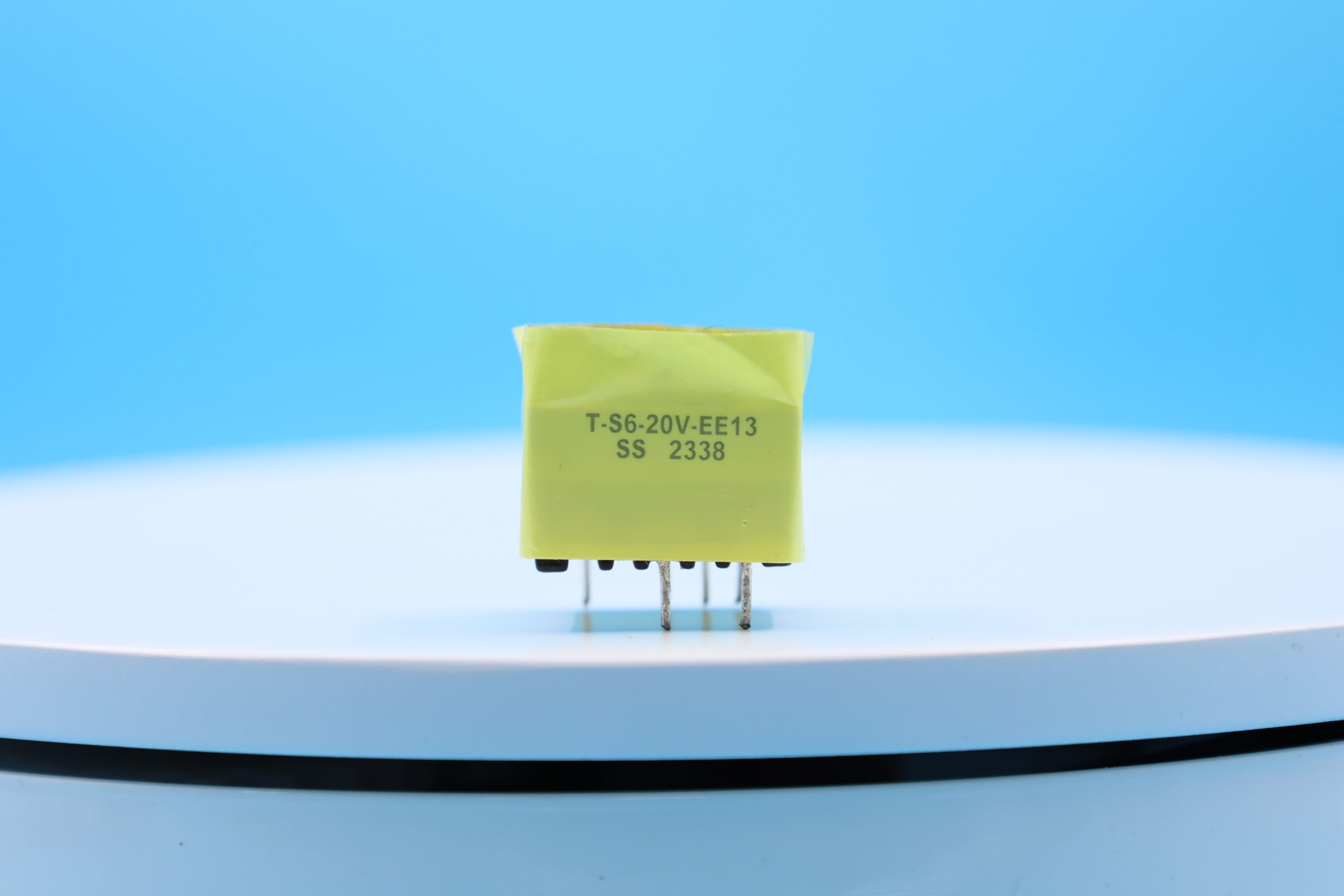
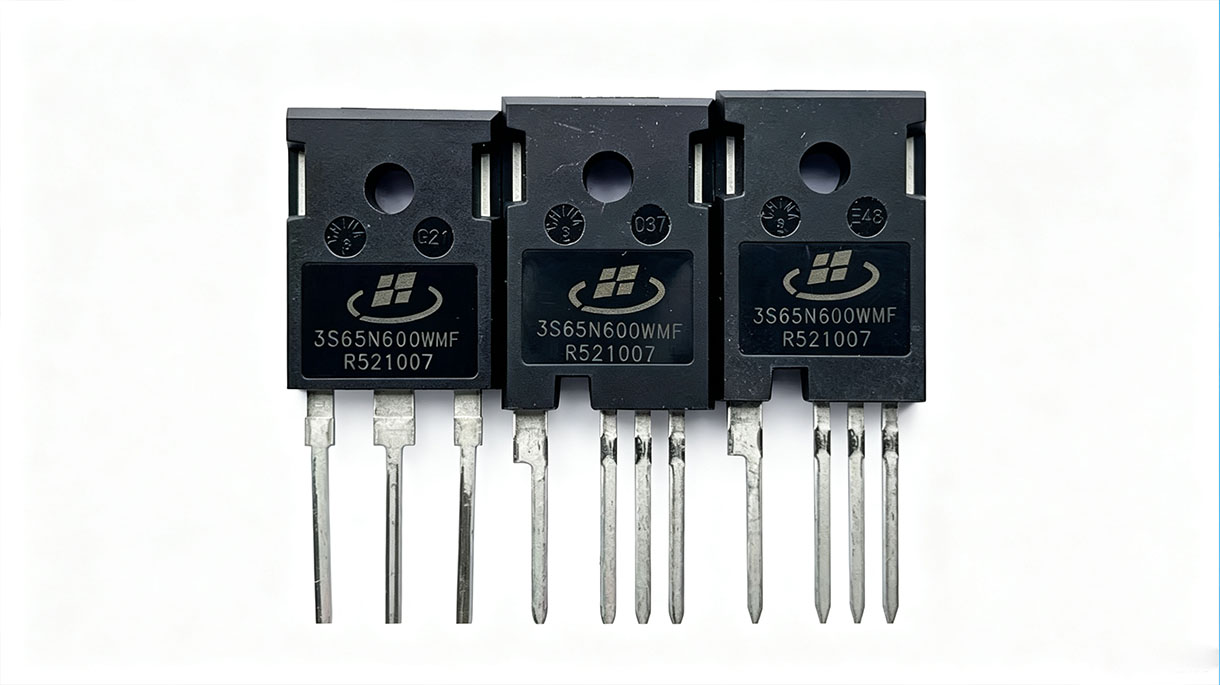
- Wide Industry Applications — Suitable for connectors, PCB assemblies, wire harnesses, sensors and precision electronic components.
Business Benefits
- Improved soldering reliability
- Reduced labor costs
- Lower defect rates
- Higher automation level
- Advanced electronics manufacturing capability
Conclusion
Future electronics manufacturing requires more than speed. Precision, reliability and intelligent production are becoming key competitive advantages. Laser soldering technology helps manufacturers achieve stable, efficient and advanced soldering processes.